


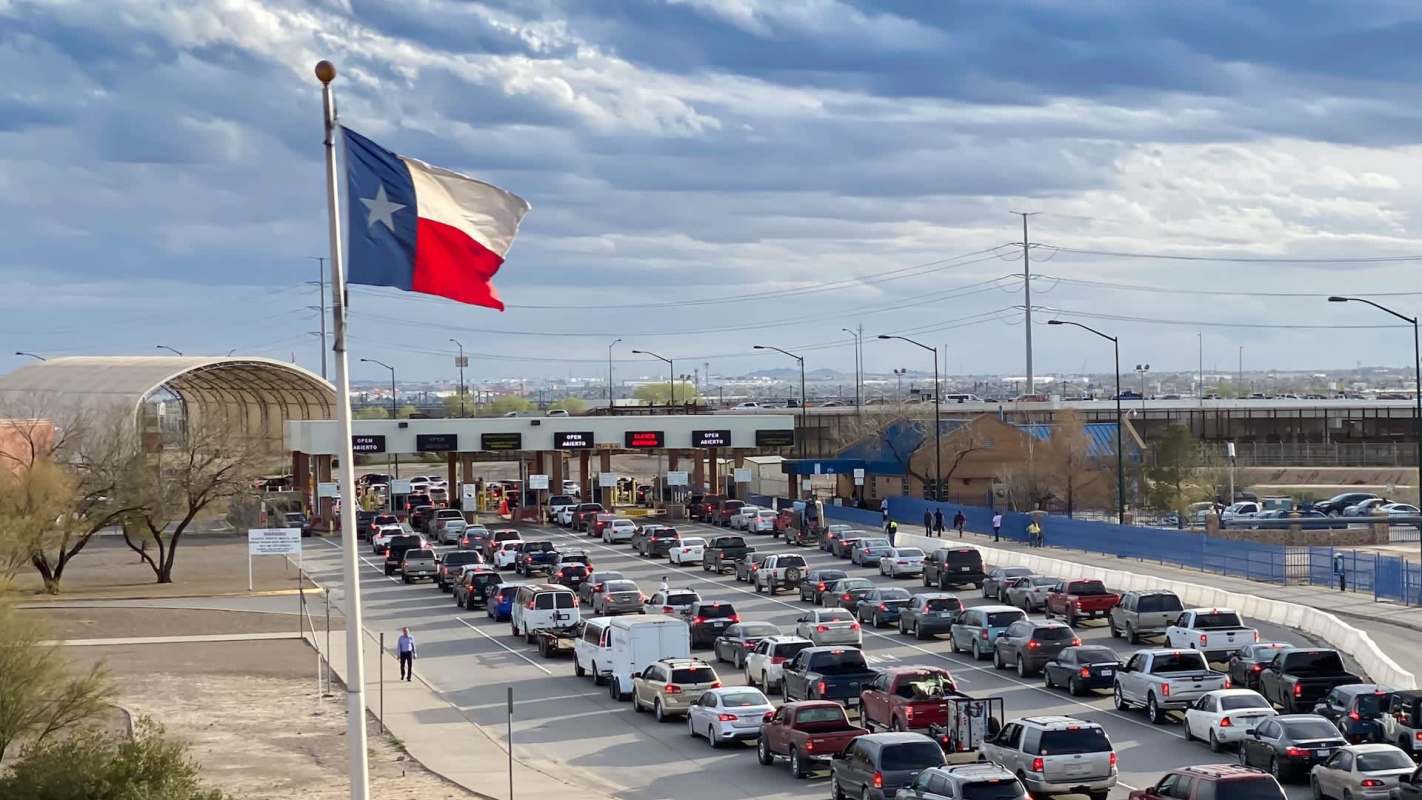
Border officials in South Texas made a shocking discovery that highlights the rise of exotic pet smuggling.
What's happening?
At the Anzaldúas International Bridge in Mission, Texas, agents stopped a silver pickup truck carrying 163 live reptiles and arthropods, including snakes, frogs, lizards, and tarantulas — all believed to be bound for the illegal exotic pet trade.
According to the Austin American-Statesman, U.S. Customs and Border Protection officers discovered the animals during an inspection on October 22, 2025.
The seized creatures included royal pythons, bearded dragons, salamanders, and several species of tarantula. Authorities arrested the driver and turned the animals over to the U.S. Fish and Wildlife Service.
"The smuggling of exotic pets has been on the rise in our area," said Carlos Rodriguez, CBP's port director, per the Statesman.
"We work closely with our partners … to protect and preserve these creatures and ensure that importations and exportations of wildlife adhere to all applicable federal requirements."
TCD Picks » Quince Spotlight
💡These best-sellers from Quince deliver affordable, sustainable luxury for all




Why is exotic animal trafficking concerning?
Wildlife smuggling cases threaten ecosystems and communities. As shown in similar cases, invasive species introduced through illegal trade can upend ecosystems — from lionfish overrunning Florida reefs to giant African snails being spotted in New York.
Wildlife smuggling doesn't just endanger animals; it also disrupts the systems that people rely on. When trafficked species escape or are released, they can become invasive, competing with native wildlife, spreading disease, and altering food webs.
These disruptions can drive up costs for farmers, reduce pollination, and strain local governments already dealing with other environmental pressures.
What can be done about exotic animal trafficking?
CBP and the U.S. Fish and Wildlife Service continue to coordinate operations to stop wildlife trafficking and enforce international laws, such as the Convention on International Trade in Endangered Species.
|
Do you think America does a good job of protecting its natural beauty? Click your choice to see results and speak your mind. |
 Definitely 👍
 In Texas, residents must obtain special permits for exotic snakes and other restricted pets, but illegal smuggling undermines these protections.
Consumers play an important role in prevention. Avoiding the purchase of undocumented exotic pets, adopting animals from verified shelters, and reporting suspicious sales can help curb the trade.
Public awareness is key to cutting off demand at the source. Each responsible choice brings communities closer to protecting both wildlife and the healthy environments that we depend upon.

💰Get TCD's free newsletters for easy tips to save more, waste less, and make smarter choices — and earn up to $5,000 toward clean upgrades in TCD's exclusive Rewards Club.







