


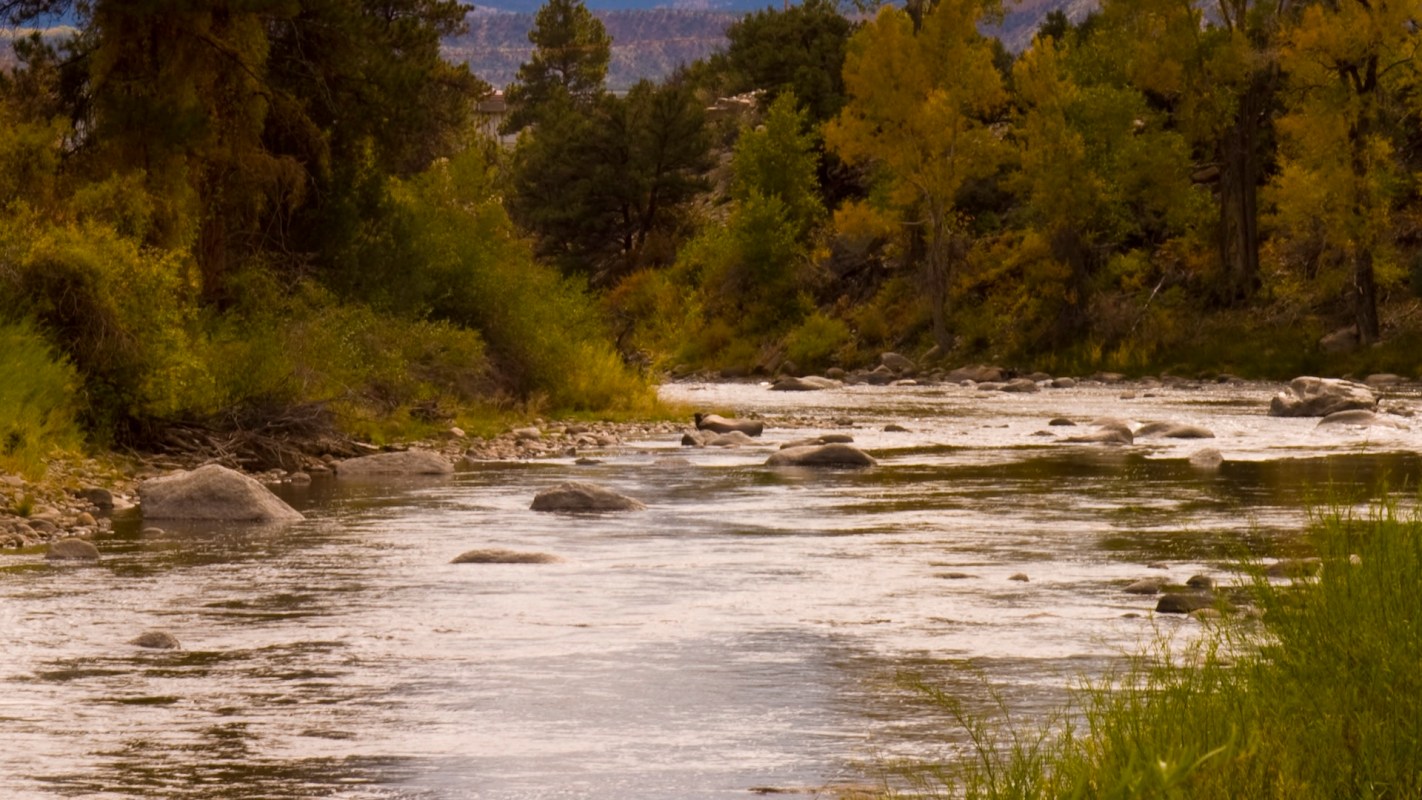
A Colorado non-profit has recently reported on its successful land rehabilitation efforts, according to The Daily Sentinel.
Over the course of a year, the Colorado West Land Trust protected and rehabilitated another 1,806 acres of irrigated farmland, 386 acres of wetlands, and over 30 miles of rivers. This work, done alongside the Western Colorado Conservation Corps and The Freshwater Trust, has followed a Water Protection Plan designed to combat growing drought conditions in the area.
Measures have included adding native vegetation, removing invasive plants, and building structures for erosion control and meadow restoration. All told, the group says it has successfully protected 18,874 acres of irrigated land.
"We really wanted to get a sense of — even in the worst drought years — where are those places that will have water available to farmers and ranchers, available for recreation in our rivers," said executive director Rob Bleiberg.
Colorado is quite active in conservation, having started work on a massive wildlife overpass, protected lynx habitat, and defended against harmful federal rulings.
As atmospheric pollution increases, destructive weather patterns like droughts and heat waves increase in intensity. This can lead to wildfires and steep drops in yields for farmers. These challenges can ultimately end up in grocery stores as price hikes, in homes becoming uninsurable, and in water insecurity.
TCD Picks » Quince Spotlight
💡These best-sellers from Quince deliver affordable, sustainable luxury for all




Local habitat restoration work can help mitigate these conditions by reducing erosion and pulling moisture into the soil.
The Colorado West Land Trust's work won't stop here. It intends to rehabilitate 130 acres of habitat with streambanks, invasive species removal, and planting over 3,400 native plants.
"Western Colorado's future depends on how we protect and steward our water resources," said Bleiberg, according to The Daily Sentinel. "Thanks to our partners, landowners, and supporters, the Water Protection Plan is already creating lasting impacts for people, wildlife, and working lands."
|
Should taxpayers help pay to clean up the Great Pacific Garbage Patch?
Click your choice to see results and speak your mind. |
 We should pay for all of it 👍
💰Get TCD's free newsletters for easy tips to save more, waste less, and make smarter choices — and earn up to $5,000 toward clean upgrades in TCD's exclusive Rewards Club.







