


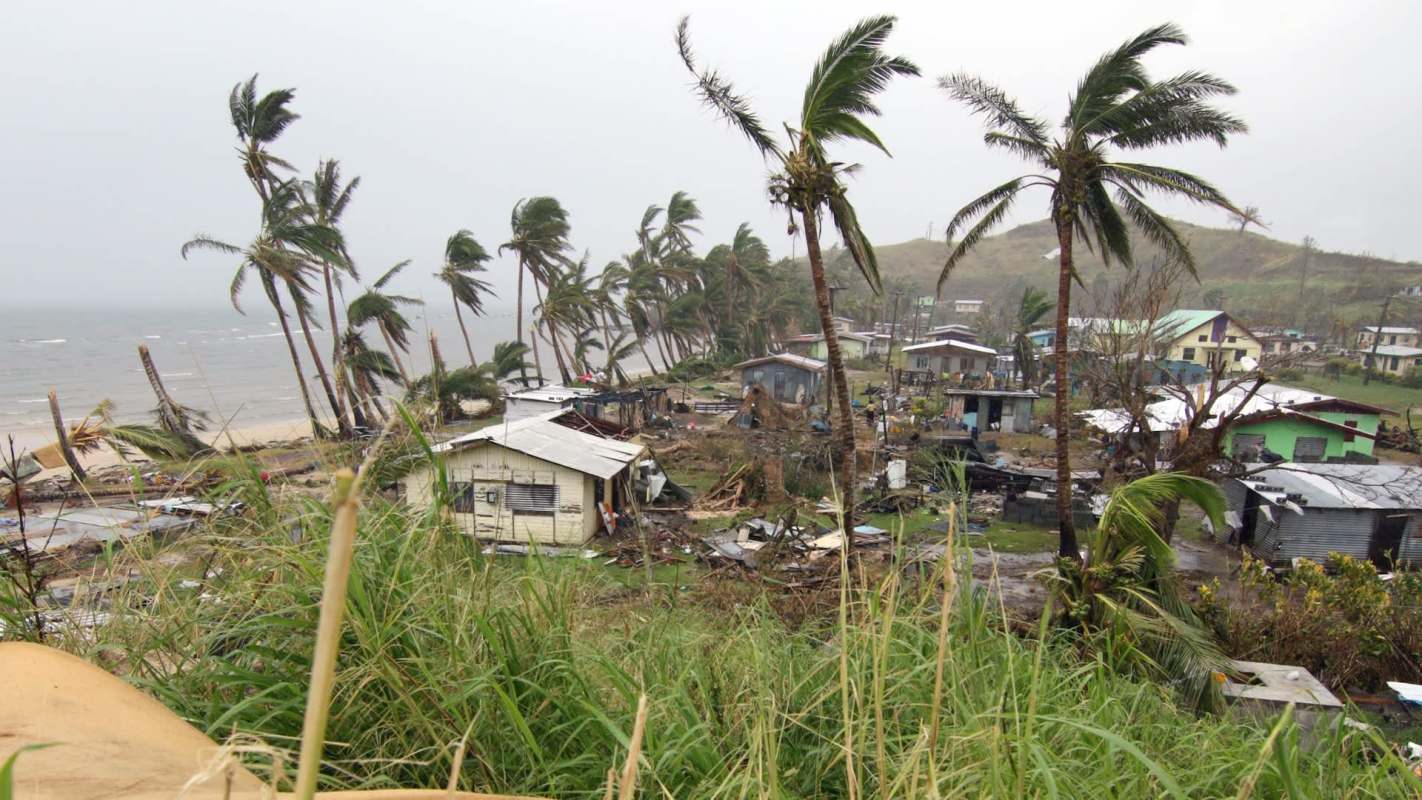
In February 2016, Fiji was hit by Tropical Cyclone Winston, a Category 5 storm with 185 mph winds. A recent study shows the resilience of Fiji's coral reefs in recovering from this storm, per a release.
After the storm, the reefs lost more than half of their surface area of hard-coral cover. Within four years, they were almost back to their status before the storm, according to the report.
The study from the Wildlife Conservation Society, the University of the South Pacific, and some of their partners was published in the Coral Reefs journal in October. The team studied 18 sites before, immediately following Winston, and then four years after the storm.
Dr. Amanda Ford, the lead author from the University of the South Pacific, said in the release, "This study shows that even after catastrophic damage, some reefs can bounce back if local conditions are favorable."
Using data gathered from a long-term survey, along with wave-modeling data, the team was able to draw connections between reef damage and exposure to Cyclone Winston.
Coral reefs around the world are endangered. Coral Guardian has estimated that up to 90% of all coral reefs could be gone by 2050 if preventative measures are not taken. Ocean warming, ocean acidification, and rising sea levels are among the reasons for the plight of reefs.
TCD Picks » Quince Spotlight
💡These best-sellers from Quince deliver affordable, sustainable luxury for all




A recent report led by the University of Exeter has noted that the planet has passed one of its tipping points for climate change, as warm water coral reefs are in decline.
The WCS study leaders hope to show how strategic management of conservation efforts can best pay off.
"Emerging science from this study can help pinpoint places where conservation investments will have the greatest impacts," said Paul van Nimwegen, the director of WCS Fiji.
Organizations like Coral Gardeners have worked to cultivate reefs through active reef restoration. Additionally, research has found that reefs planted by humans have the ability to grow quickly, so much so that they can become like healthy reefs in as little as four years.
|
Do you think America does a good job of protecting its natural beauty? Click your choice to see results and speak your mind. |
 Definitely 👍
 The new study builds on this body of research and conservation, helping to illuminate how resilient coral reefs can be.
Dr. Stacy Jupiter, one of the study's co-authors, said in the release, "At a time when the news about coral reefs is often doom and gloom, these findings give us hope and cause to continue to invest in coral reef conservation."

💰Get TCD's free newsletters for easy tips to save more, waste less, and make smarter choices — and earn up to $5,000 toward clean upgrades in TCD's exclusive Rewards Club.







