


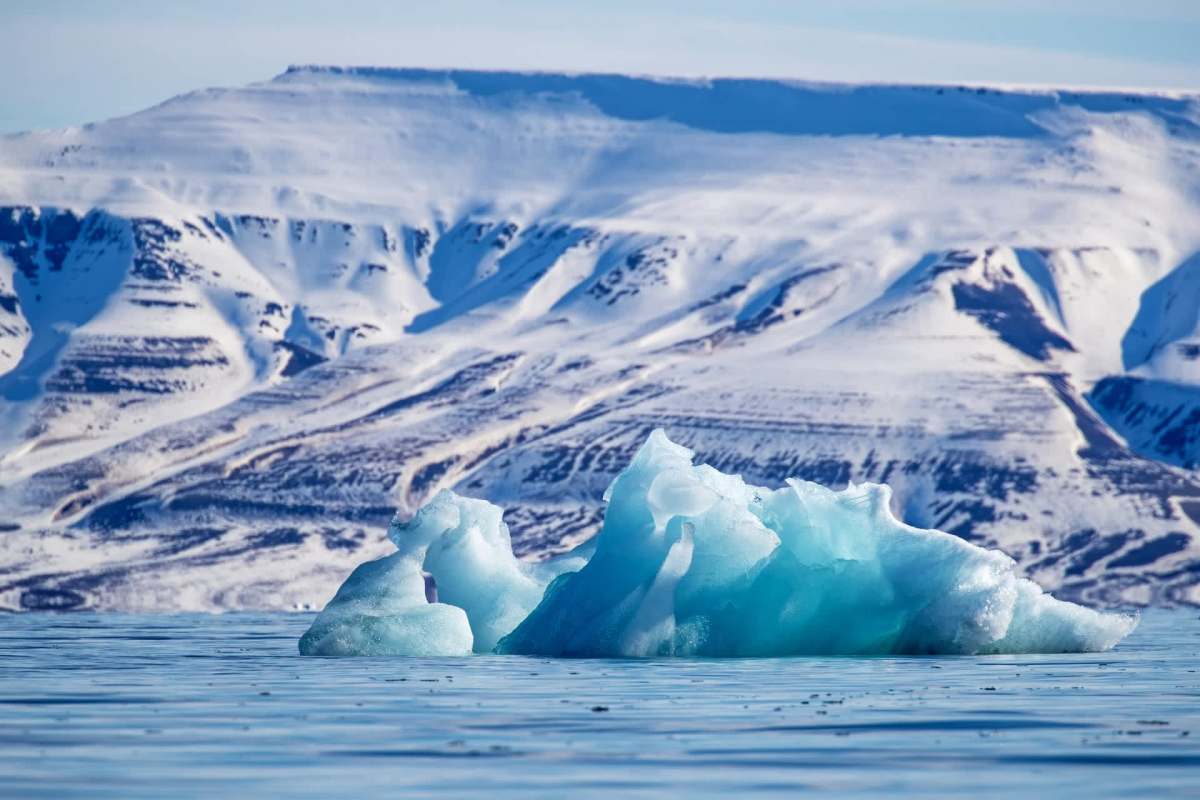
In Alaska, what was once a permanently frozen layer of earth is now warming.
Researchers are studying this former permafrost to better understand how these melting layers can contribute to our warming climate, Bloomberg reported.
What's happening?
Permafrost refers to any area of ground that remains frozen year-round, not thawing in the summer. It is typically found in the Arctic or in high-altitude, mountainous regions.
Permafrost also effectively stores carbon. According to the National Oceanic and Atmospheric Administration's 2019 Arctic Report Card, it held about twice as much as what was in the atmosphere then.
However, melting permafrost means that it releases the carbon into the atmosphere. This carbon adds to the heat-trapping carbon that contributes to global average temperature increases.
As Jacqueline Hung, a scientist at the Woodwell Climate Research Center, noted to Bloomberg, what happens in the Arctic has a large impact on the rest of the world.
TCD Picks » Quince Spotlight
💡These best-sellers from Quince deliver affordable, sustainable luxury for all




Hung stated, "It's really important that we understand the magnitude of what's happening now."
Why is a hotter planet dangerous?
As global temperatures increase, they unleash cascading effects on the planet. While natural disasters and powerful storms have always existed on Earth, human-caused climate change can supercharge these events. Storms are now not only more powerful but more dangerous to communities.
Higher atmospheric temperatures mean that the warmer air can hold more moisture. This is particularly relevant for tropical storms that form above the ocean. The volume of water that these storms can unleash on communities is heightened.
Higher temperatures and hotter summers also pose a health risk. Recently, scientists have described the "double whammy" of human health concerns as warmer temperatures and increased pollution interact with each other. We'll need to contend with lowered air quality, increased risk of heat stroke, and added strain on the grid.
|
Do you think we should be trying to pull pollution out of the atmosphere? Click your choice to see results and speak your mind. |
 Absolutely 👍
 If you live in an area that experiences frequent power outages, installing solar panels can make your home more energy-resilient. It can also save you money on your energy bills, protecting you from rising energy prices.
The Cool Down's Solar Explorer can help connect you with vetted, local solar installers. It could potentially save you up to $10,000 on a solar installation.
What's being done about permafrost melt?
Scientists like Ted Schuur of the Permafrost Carbon Network are closely monitoring the status of permafrost regions. According to Bloomberg, Schuur and his team have found that about 20% of northern permafrost is at risk of thawing.
Organizations like the Arctic Institute are also keeping tabs on permafrost melt, providing the world with research and policy recommendations.
"I have cautious optimism," Hung told Bloomberg. "There's still a lot we can do in the present moment."

💰Get TCD's free newsletters for easy tips to save more, waste less, and make smarter choices — and earn up to $5,000 toward clean upgrades in TCD's exclusive Rewards Club.







