


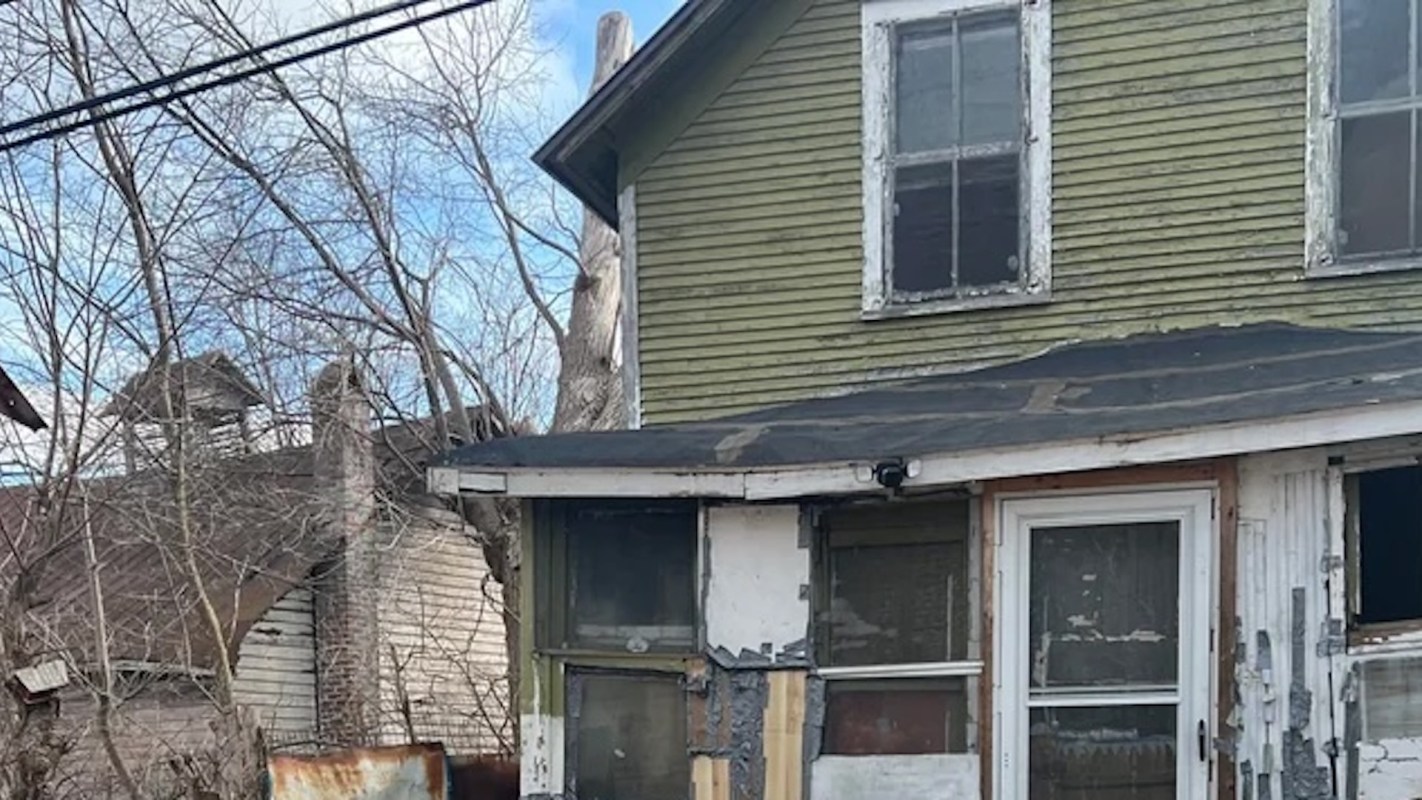
A frustrated homeowner took to Reddit's r/BadNeighbors to vent about a nearby property that they described as a "literal dump."
The post shared a photo of piles of trash and debris in the yard of a run-down house. Other users weighed in on how unsanitary and potentially dangerous the situation had become.


"This property is adjacent to where my family and I reside and quite literally looks (and smells) like a dump," the original poster wrote. "When does this become a public health hazard? We have already seen rats and skunks appear as a result."
According to the OP, the property's new owner, who lives next door to the mess, bought the neglected home earlier this year as a "fixer-upper." Since then, they've turned it into a demolition zone. After tearing down part of an old shed, the owner left piles of waste scattered across the yard.
"In no way, shape or form is that even habitable," one commenter said. "That entire front is caving inwards and are the windows being held on by massive amounts of duct tape? I would contact your town's code enforcement and Dept of Health. I'm shocked that [the] house hasn't been condemned."
Another person shared: "Call city trash and health department and tell them you saw rats. This worked for me, and they fined the owners for the cleanup."
TCD Picks » Quince Spotlight
💡These best-sellers from Quince deliver affordable, sustainable luxury for all




Messy and neglected properties are eyesores for the neighborhood. They can also pose serious environmental and public health risks.
Unsecured waste attracts pests and can contaminate soil and groundwater. Standing piles of junk could trap rainwater and become mosquito breeding grounds.
As another commenter suggested, "Call Vector control in your city. That will get them initially to see there's an issue."
These situations can discourage nearby residents from investing in climate-friendly home upgrades like heat pumps or solar panels, since neighborhood conditions affect property values and safety.
Still, homeowners facing difficult neighbors have options. Reporting environmental hazards to local health authorities or code enforcement can prompt inspections and cleanup orders — and help protect the wider community.
|
What's the hardest thing about taking care of your yard? Click your choice to see results and speak your mind. |
 Mowing the lawn 🏡
💰Get TCD's free newsletters for easy tips to save more, waste less, and make smarter choices — and earn up to $5,000 toward clean upgrades in TCD's exclusive Rewards Club.






