


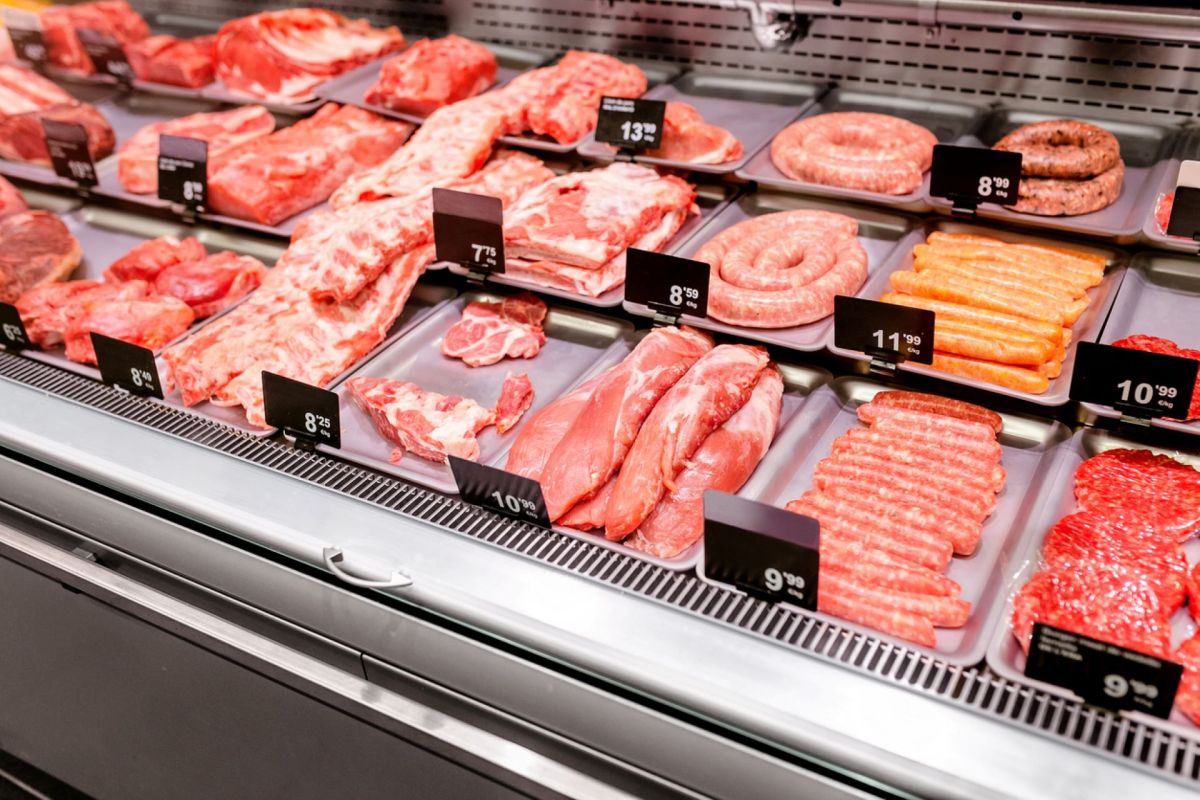
The cost of meat is continuing to rise across the United States by nearly 15%, a trend that began earlier this year.
What's happening?
According to Grocery Dive, meat prices increased by 8.5% in September compared to the same time last year. More specifically, the price of uncooked beef roast rose by over 18%, raw beef steaks increased by nearly 17%, and uncooked ground beef rose by close to 13%. As the Houston Chronicle reported, more frequent droughts, tariffs, shrinking cattle supplies, and higher consumer demand all contribute to the soaring prices.
Grocery Dive reported that the Trump administration plans to import more beef from Argentina to mitigate sticker shock at grocery stores, but critics argue this would have a negative impact on U.S. beef farmers.
The costs of other groceries, such as veal, bacon, seafood, fruits, and vegetables, are also on the rise, even though the U.S. wastes 30-40% of its food supply, according to the Environmental Protection Agency.
TCD Picks » Martie
💡Martie makes it easy to find quality food at massive discounts while helping to fight food waste





That said, if you'd like to help reduce waste while saving money on groceries, consider shopping with Martie, an online discount grocery store that sells shelf-stable food and household items at up to 80% off. By sourcing surplus inventory from brands, the company ensures food stays out of landfills while offering customers the best deals on their favorite snacks and staple items.
Why are rising meat prices concerning?
The increase in meat prices comes at a particularly inopportune time, as millions of people who rely on Supplemental Nutrition Assistance Program benefits to purchase groceries may not receive the aid in November because of the government shutdown. Federal workers who haven't been paid have also been forced to ask food banks for help, as Grocery Dive stated. The rising grocery costs also affect the general public, as consumers may have to tighten their budgets and forgo certain items.
Every part of the supply chain, including ranchers, manufacturers, distributors, and transporters, will be impacted by the higher costs. And if consumers continue to demand the same amount of meat despite rising prices, it will drive an even greater need for production, putting more pressure on land, water, and other resources — and creating a vicious negative feedback loop.
What's being done to lower costs?
In addition to the plans to import beef from Argentina, the Department of Agriculture is taking steps to reform the industry by increasing funding and reducing regulatory burdens for small meat processors, boosting herd numbers, and expanding processing capacity, according to the Iowa Capital Dispatch and Texas Farm Bureau.
Save $10,000 on solar panels without even sharing your phone number Want to go solar but not sure who to trust? EnergySage has your back with free and transparent quotes from fully vetted providers in your area. To get started, just answer a few questions about your home — no phone number required. Within a day or two, EnergySage will email you the best options for your needs, and their expert advisers can help you compare quotes and pick a winner. Solar panels can save you more than $50k over their 25-year lifespan, and EnergySage can help you save as much as $10k on installation. Which begs the question — isn't that worth an email or two? |

Consumers can help their wallets and the planet by choosing more plant-based foods, which offer the added benefit of being healthier than meat. By eating less meat, you're also helping the environment, as the industry is one of the largest contributors to planet-warming pollution.
|
How often do you eat meat each week on average? Click your choice to see results and speak your mind. |
 I don't eat meat 🙅
Join our free newsletter for easy tips to save more and waste less, and don't miss this cool list of easy ways to help yourself while helping the planet.







