


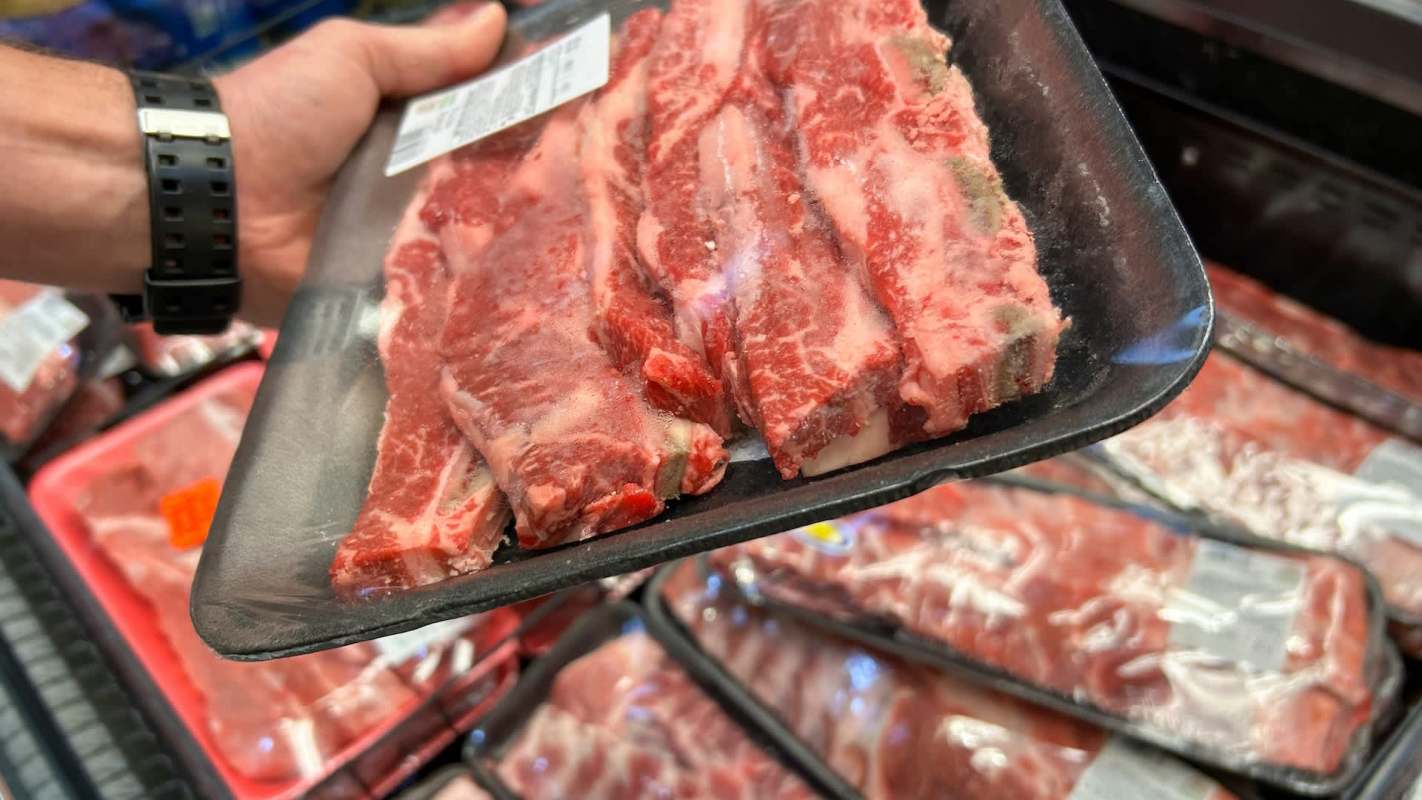
The price of red meat in the United States and around the globe is skyrocketing, a trend likely to continue.
What's happening?
According to The Washington Post, the price of red meat in the United States and elsewhere has risen significantly, particularly for beef and veal. In July alone, the prices of these meats increased 11.3%.
One seller for a deli producer told The Washington Post that while the price of red meat used to increase once a year, now it's every week. "We had to put at the bottom of our inventories that prices can change at any moment," he explained. "It never used to be like that."
The main factor influencing red meat prices is the ongoing drought in several key meat-producing states since 2022. The drought has reduced the population of meat-producing cattle to levels not seen since 1951.
Why is this concerning?
While the population of meat-producing cattle is constantly fluctuating, the recent decline due to prolonged drought means fewer calves are being born, leading to lower meat supplies and higher prices for what is available. Additionally, the price of heifers has increased, forcing ranchers to pay more to breed new herds, which adds to the cost of meat for consumers.
As global temperatures continue to rise, more droughts will occur, particularly those lasting several years, which will continue the cycle of reduced cattle populations and rising prices for both heifers and meat.
TCD Picks » Quince Spotlight
💡These best-sellers from Quince deliver affordable, sustainable luxury for all




The rising temperatures driven by heat-trapping gases in the atmosphere can wreak havoc on cattle and food supplies in other ways as well. As drought reduces the amount of grass available for cattle to graze, they may become hungrier, which could affect meat production. Heat waves and drought can also reduce the amount of readily available water, leaving cattle dehydrated.
Additionally, these conditions sometimes cause cattle and other livestock to become sick or die, further reducing the number of meat-producing cattle.
With less meat, consumers face higher prices and unstable food supply chains that can leave grocery shelves bare.
How can livestock be protected?
While the world continues to take steps to cool the planet and reduce the impacts of extreme weather through initiatives such as switching to renewable energy and limiting plastic use, there is still a long way to go.
For now, mitigation and adaptation strategies are crucial for protecting livestock from rising temperatures and drought. Changes to livestock management systems can help protect cattle, as can genetic improvements, such as making cattle and other livestock more thermotolerant.
|
How often do you eat meat? Click your choice to see results and speak your mind. |
 Every day 🥩
Join our free newsletter for easy tips to save more and waste less, and don't miss this cool list of easy ways to help yourself while helping the planet.







