


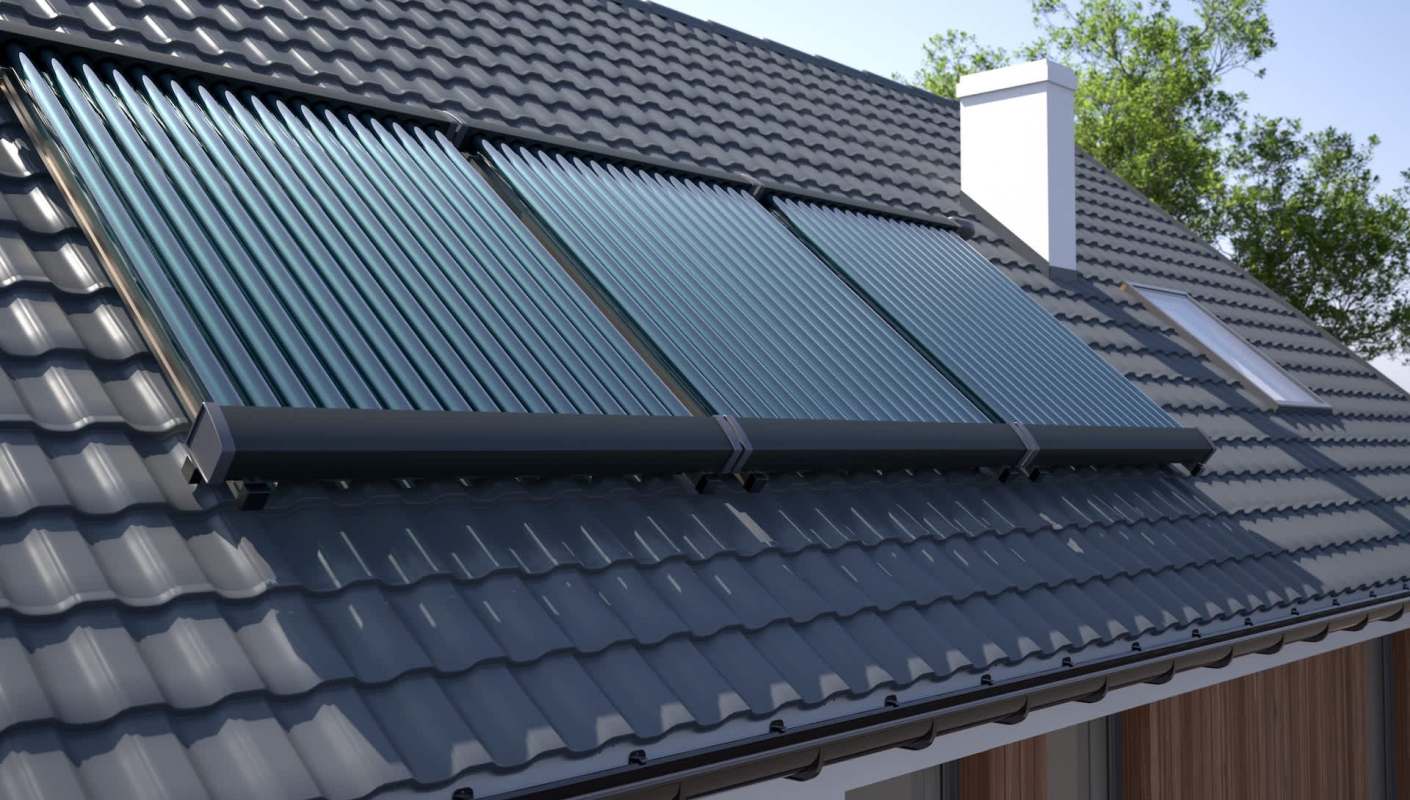
According to a new study, the proposed termination of federal clean energy tax credits will impact the payback period for people who own solar panels.
When the One Big Beautiful Bill Act eliminates currently available tax credits at the end of 2025, solar panels will become less economically viable for many people.
As Stanford University shared, researchers recently assessed the affordability of solar and backup battery systems in the U.S. They found that most U.S. households can reduce their energy costs with these clean energy solutions in the current market. However, costs are set to increase due to recent federal policy changes.
According to the study, the lost tax credits would bring the percentage of U.S. households for which solar/battery systems make financial sense down from 60% to 32%.
After analyzing more than 500,000 representative households, the Stanford University researchers published their findings in the journal Nature Energy.
They also suggested that "people may need to buy the equipment by Dec. 31" to ensure their new rooftop solar panels and battery packs will reduce electricity bills. Taking advantage of the tax credits could also help provide cost-effective energy resilience during power outages.
As the researchers noted, another factor to consider is how much homeowners will get paid for excess solar, which can affect how long it will take for them to recoup their investment.
In some states, homeowners will see less money when selling their excess electricity to local utility companies, which can lengthen the time it will take to earn the money back for the initial installment of the panels. As Stanford shared, "More than one-third of homes today are in states that pay residential solar owners based on how much their electricity saves the local utility, which is almost always lessen paying homeowners their full electricity rate. The number of states adopting this policy is rising."
Get $1,000 cash to slash your bills with rooftop solar panels for $0 down and low monthly payments Whatever your solar budget, Palmetto can help you save. If you want to buy your own panels, Palmetto's advisors can help you save up to $10,000 on installation through a network of preferred installers. And if you'd rather get solar savings without upfront costs, Palmetto's revolutionary LightReach subscription program can deliver — including an exclusive $1,000 cashback offer for TCD readers. LightReach lets you lease solar panels with no money down, making it painless to lock in long-term savings of up to 33% off your current power bill. Palmetto covers a 25-year warranty for the panels, which means you'll get reliable performance without unforeseen costs. To get started, just book a short meeting with Palmetto's experts to explore your options and find the solution that's right for you. |

The researchers noted that in some states, such as Iowa, Idaho, and Washington, utility companies are still required to pay homeowners the higher price for their excess solar power.
This research is insightful because it highlights the impressive cost-saving potential of solar energy while preparing homeowners for the realities of selling excess electricity. It also emphasizes the urgent need for pro-climate policies that support a sustainable planet for the future.
|
What's the biggest concern you'd have about getting solar panels? Click your choice to see results and speak your mind. |
 The cost 💰
 Meanwhile, other research teams have been sharing what they've discovered about the decreasing costs of solar power. Recent technological breakthroughs could make solar panels even more efficient as well.
If you act now, you could still qualify for valuable solar tax incentives and start saving money on your monthly bills.
With or without those tax credits, EnergySage is helping homeowners save up to $10,000 on their solar installations. EnergySage's free services include a local installer quote comparison tool and a mapping tool that shows incentives in each state.
If buying solar panels isn't within your budget, consider leasing them for no money down through Palmetto's LightReach program.
Pairing solar panels with a heat pump can save you even more on your energy bills. Mitsubishi can help you find the heat pump and installer that's right for you.
The Stanford researchers recommended improved, broader public messaging about the benefits of solar panels and backup battery systems. They also noted that low adoption in rural and disadvantaged communities only worsens historical inequities.
"Rooftop solar and battery storage, deployed together or separately, offer promising adaptation solutions as they may help to reduce electricity bills, provide backup power during outages, and lower carbon emissions," they wrote. "Policymakers can directly shape this landscape through tariff design, incentive programs, rate approvals, and industry regulations."

Join our free newsletter for easy tips to save more and waste less, and don't miss this cool list of easy ways to help yourself while helping the planet.






