


With grocery costs steadily rising, people are looking for creative ways to eat healthy food on a budget.
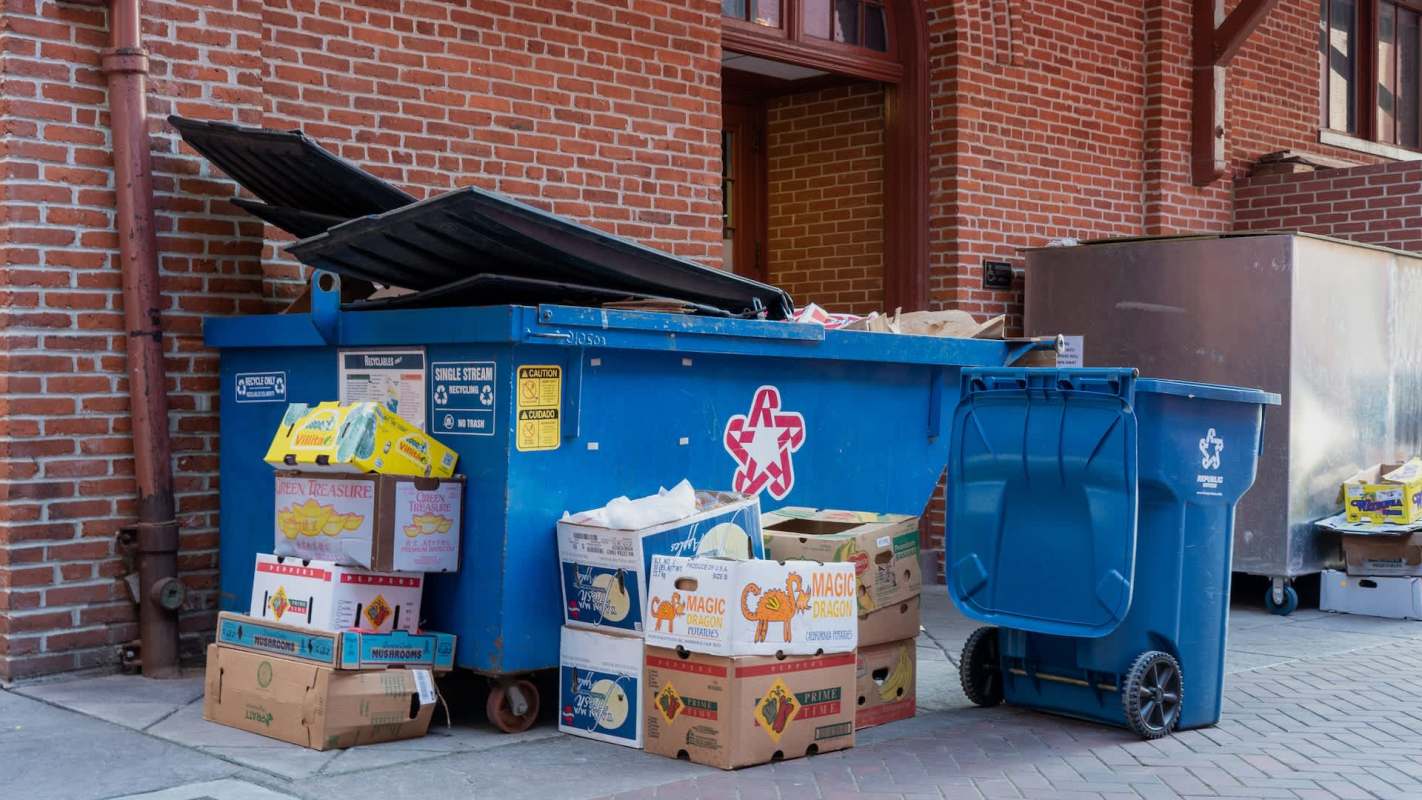
Dumpster diving may not be for everyone, but it is becoming a popular way to find free produce. For example, you can find some real-life examples of the practice on the r/DumpsterDiving subreddit.
What's happening?
In a recent Reddit post, one dumpster diver shared a photo of perfectly usable mushrooms, tomatoes, zucchinis, lemons, green beans, Brussels sprouts, oranges, peaches, and strawberries they found in a dumpster.
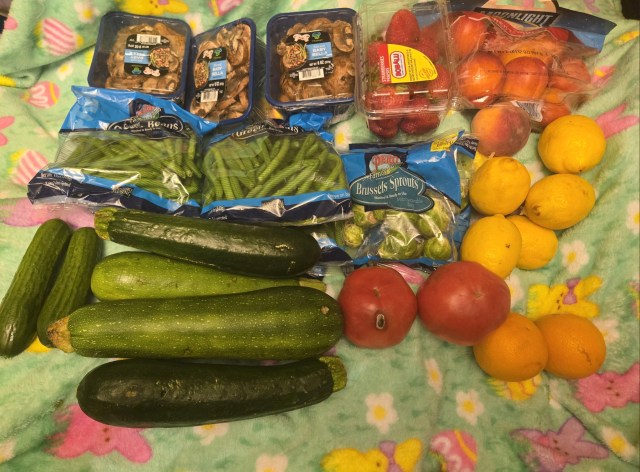
In the comments, the OP explained that they don't have much money left over for food after paying for housing, taxes, insurance, and utilities.
"I'm grateful each and every day to get fresh vegetables and berries at the dumpster," they wrote. "This hobby feeds us so much better than we would eat without diving."
Why is grocery store food waste a problem?
Wasted food from grocery stores has an enormous impact on the environment. When food is wasted, the resources it took to grow, harvest, and transport it are also wasted.
TCD Picks » Quince Spotlight
💡These best-sellers from Quince deliver affordable, sustainable luxury for all




The OP did not specify which grocery store provided this dumpster-diving haul. However, many stores are guilty of contributing to the food waste problem rather than donating safe, usable food to help feed people in need.
Dumpster divers are helping reduce food waste from grocery stores and put it to good use by feeding their families. However, non-recovered food tossed in the trash ends up in landfills, where it produces toxic fumes that contribute to the overheating of our planet.
"Rescuing this stuff really helps," one Reddit user commented on the OP's post. "It's so frustrating that so much gets wasted while people choose between food and fuel, food and electric bill, food and the shoes their kid needs, food and medicine."
Are grocery stores doing anything about this?
Fortunately, many grocery stores are taking steps to reduce food waste by donating surplus food or by using technology to manage inventory better.
|
Would you be more likely to shop at a store that paid you for your old stuff? Click your choice to see results and speak your mind. |
 Absolutely 💯
 For example, Albertsons, Kroger, and Trader Joe's all have established food waste programs to help feed people and protect the environment from unnecessary pollution. Various grocery store partnerships encourage the use of reusable packaging for products, donate unsold products to local farmers for livestock feed, and turn food waste into compost.
What's being done about food waste more broadly?
The average American throws out 325 pounds of food annually, wasting approximately $1,200 per family each year. Beyond grocery stores, food waste is a significant problem that must be addressed at the individual and systemic levels.
For example, ReFED is an organization dedicated to reducing food waste and promoting policy changes for producers and retailers.
In your own life, you can reduce food waste by shopping smarter at the grocery store and making good use of your leftovers. You can also learn to grow your own food to become more self-sufficient and save money on groceries while contributing less to grocery store surpluses.

Join our free newsletter for good news and useful tips, and don't miss this cool list of easy ways to help yourself while helping the planet.






