


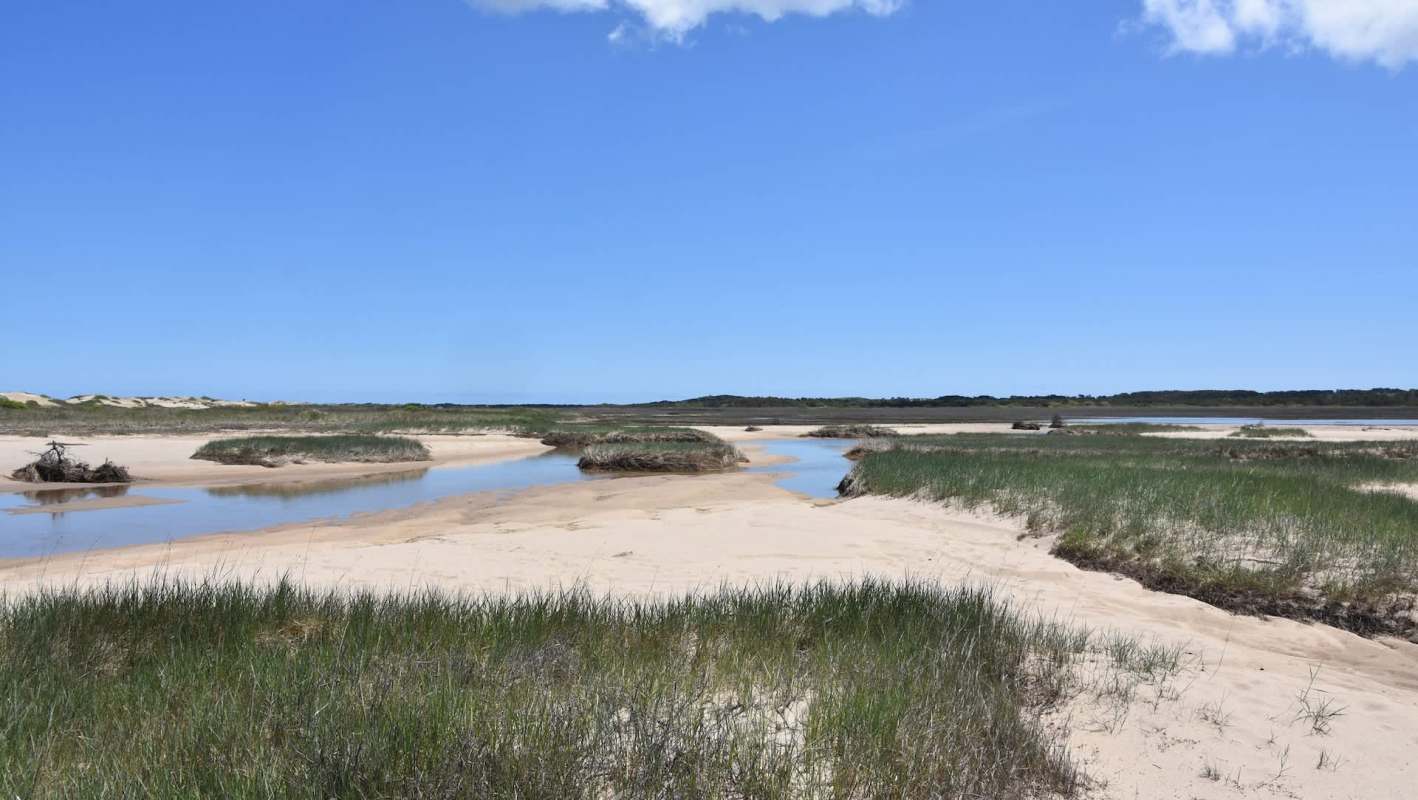
Salt marshes line nearly every coast in the United States, acting as critical buffers between land and sea. But these wetlands, among the planet's most effective natural defenses against rising seas, are disappearing fast.
One Massachusetts photographer is using cutting-edge technology to ensure their beauty and function aren't forgotten.
What's happening?
As Grace Go from PBS shared, Soren Goldsmith, a 21-year-old National Geographic Young Explorer, built an amphibious camera system to capture the life and loss of salt marshes in Wellfleet, Massachusetts.
His invention, called the Intertidal Motion Picture Activated Camera Trap, or IMPACT, uses motion sensors and waterproof engineering to document a landscape that's underwater half the day and vanishing more each year.
"Salt marshes are being flooded more frequently and eroding more quickly than they can replenish," Goldsmith explained to PBS. Even a one-inch rise in sea level can reshape these low-lying coastal ecosystems.
"Some of the stuff that I have been able to build, 15 years ago would not have been possible. I'm lucky to be young right now, when I have all of these cool technology and opportunities that I can leverage to tell my stories that older people might not have had," he added.
Goldsmith's work comes as scientists warn that U.S. marshes could largely disappear by the end of the century if current trends continue, per Scientific American.
TCD Picks » Quince Spotlight
💡These best-sellers from Quince deliver affordable, sustainable luxury for all




Why are salt marshes important?
Salt marshes protect communities from flooding, absorb harmful pollution, and lock away massive amounts of planet-warming carbon. But human-driven pollution is causing sea levels to rise faster than the marshes can adapt.
When they disappear, coastal towns can face stronger storm surges and rising insurance costs, while animals lose critical breeding grounds. These interconnected effects can threaten everything from food systems to tourism that's tied to having healthy shorelines.
What's being done about the erosion?
Goldsmith's images are both a documentation and an inspiration, a reminder that saving our natural world begins with being able to see it clearly.
|
Do you think America does a good job of protecting its natural beauty? Click your choice to see results and speak your mind. |
 Definitely 👍
 Across the country, restoration projects and new federal grants for wetland protection and research are working to revive vulnerable ecosystems.
Learning more about the critical climate issues facing our world can help you better understand our challenges and make eco-friendly decisions that help the planet.

Join our free newsletter for good news and useful tips, and don't miss this cool list of easy ways to help yourself while helping the planet.







