


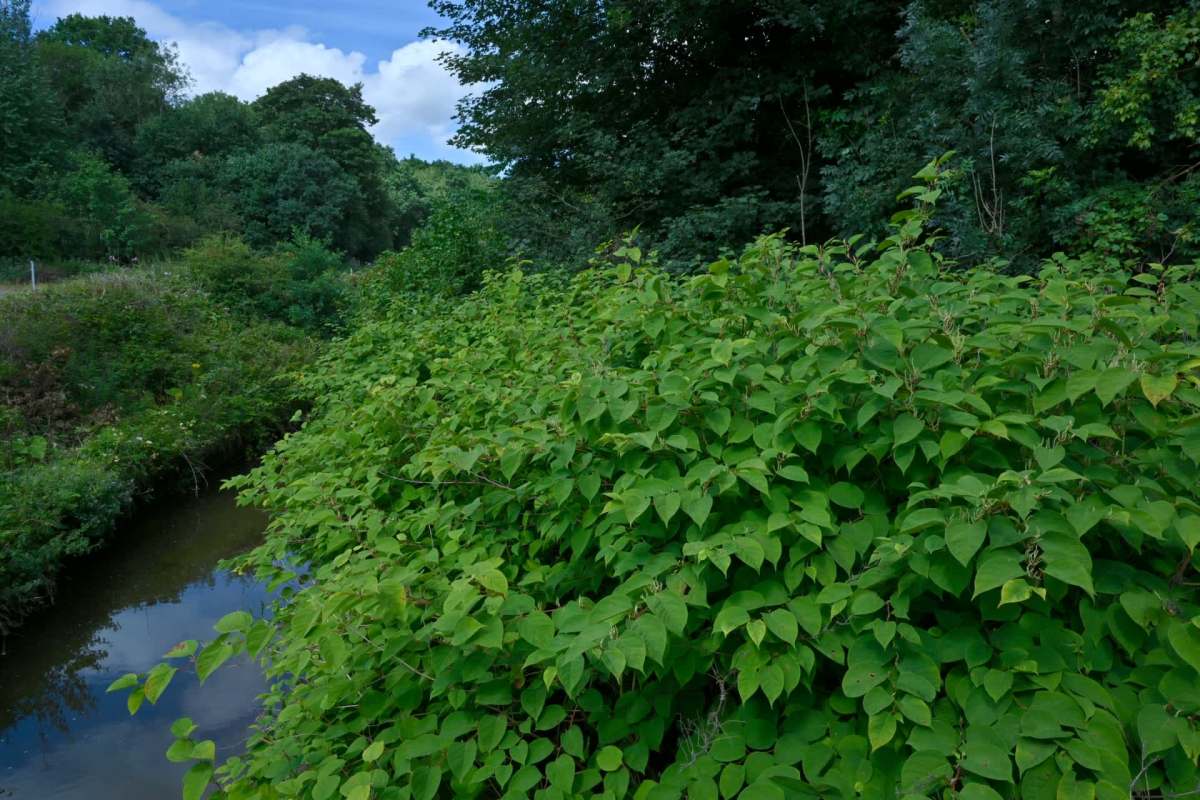
The most widespread and problematic invasive plant in Britain is out of control.
What's happening?
Japanese knotweed, sometimes referred to as Godzilla weed, is one of the most tenacious invasive plant species around, and it has been reported a whopping 459 times in Essex, the Daily Gazette reported. The sightings of this plant amount to 0.32 Japanese knotweed infestations per square mile.
Perhaps one reason for its prevalence (outside of its ability to spread rapidly) is the many myths surrounding how to get rid of it. Misconceptions abound when it comes to how to eliminate the plant, with many believing chemicals alone will eradicate it.
"There are plenty of unhelpful myths about Japanese knotweed that only add to homeowners' anxiety," Emily Grant, director of operations at invasive plant specialist Environet, told the Gazette. "It is the most problematic plant in the country, but it can be managed and, with the right treatment plan in place, eradicated for good."
Why is this plant invasion concerning?
Invasive plant species spread rapidly and take over their surroundings. In doing so, they wipe out native plant species and use up available natural resources.
This leads to an unbalanced ecosystem and destroys biodiversity, which then affects an area's wildlife and eventually human populations.
TCD Picks » Quince Spotlight
💡These best-sellers from Quince deliver affordable, sustainable luxury for all




Invasive plants tend to be difficult to eradicate, but Japanese knotweed, in particular, is one of the most challenging since the plant's roots can grow up to 6 feet deep and spread up to 65 feet.
Additionally, while the plant cannot crack through concrete, as some believe, it very much can and will take advantage of existing cracks in building materials and push its way through. In this way, Japanese knotweed can end up growing inside walls or through garden pathways, leaving homeowners to pay big bucks to remedy the damage.
How can Japanese knotweed be removed?
Removing Japanese knotweed is possible, but it requires a lot of time and dedication. Depending on how bad the invasion is, homeowners can try smothering it or digging it up (roots and all). In some cases, though, you may only be able to eradicate the plant with herbicide, and it will often take several treatments to work fully.
|
Should the government be allowed to ban certain plants? Click your choice to see results and speak your mind. |
 Definitely 👍
Join our free newsletter for good news and useful tips, and don't miss this cool list of easy ways to help yourself while helping the planet.







