


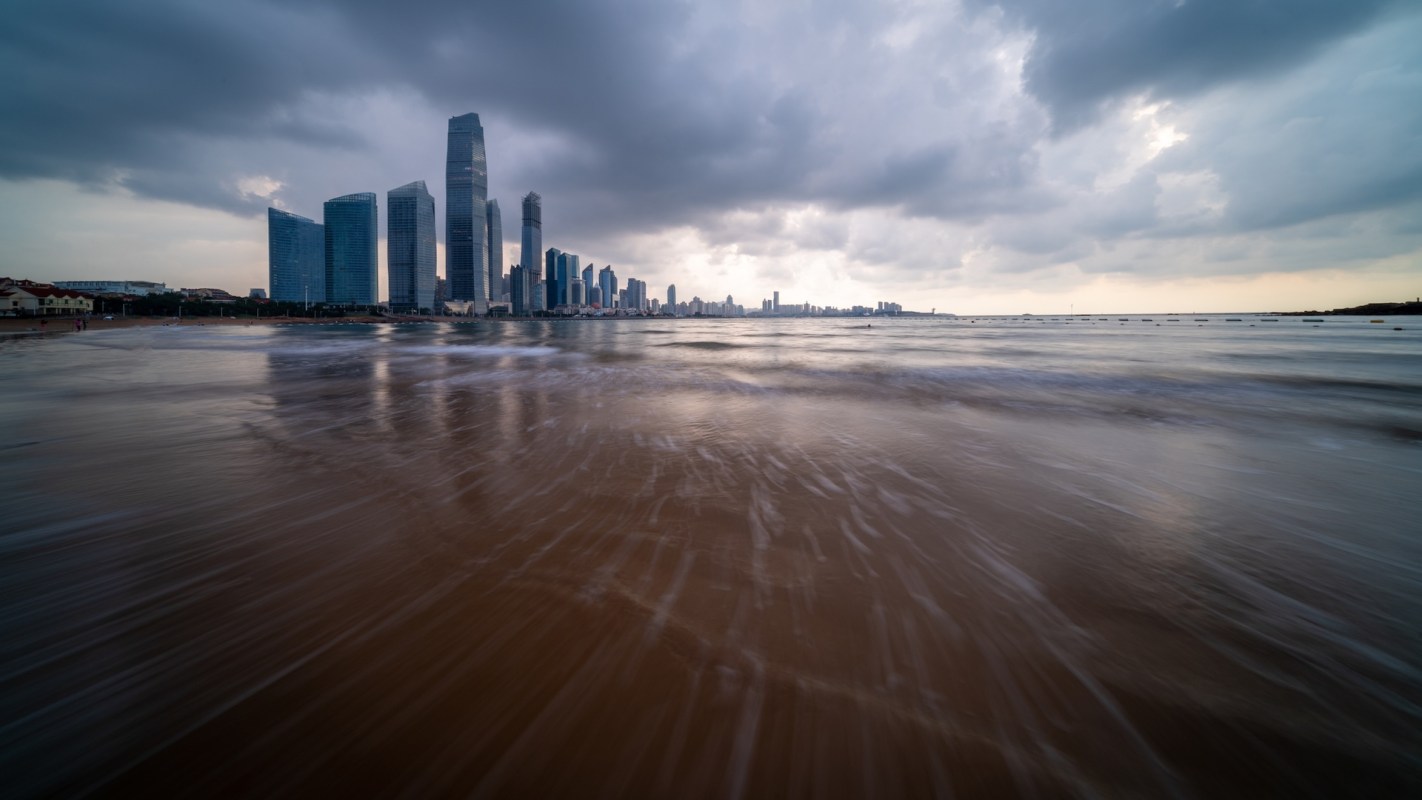
Sea-level rise has jeopardized the long-term viability of many coastal communities along China's southeastern coast.
What's happening?
In a study published in Nature, researchers found that sea-level rise has worsened in southeastern China due to rising global temperatures and human-caused land subsidence in coastal cities.
The experts observed that since 1900, global sea levels have risen an average of 1.5 millimeters each year. Researchers said that this represents the most rapid rate of sea-level rise in the last 4,000 years.
Groundwater depletion and the weight of heavy infrastructure are also increasing the flood risk in coastal Chinese cities by causing land to sink below sea level. As populations in these cities increase, the impact of sea-level rise could lead to the displacement of millions of people.
Why is sea-level rise in China concerning?
According to Yucheng Lin, a postdoctoral associate at Rutgers University and co-author of the study, there are two main factors behind the rapid acceleration of sea-level rise.
Thermal expansion has contributed to sea level rise by adding to the volume of water in our oceans. As ocean water warms, the more it expands.
TCD Picks » Quince Spotlight
💡These best-sellers from Quince deliver affordable, sustainable luxury for all




"Getting warmer makes your ocean take up more volume," Lin told Earth.com. "And the glaciers respond faster because they are smaller than the ice sheets, which are often the size of continents. We are seeing more and more acceleration in Greenland now."
Along with the increased threat of flooding, coastal cities may see stronger storms and more impactful storm surge, worsening erosion. This may ultimately lead to infrastructure damage and land loss, causing a chain reaction in the global economy.
"Centimeters of sea level rise will greatly increase the risk of flooding in deltas," added Lin. "These areas are not only important domestically, they're also international manufacturing hubs. If coastal risks happen there, the global supply chain will be vulnerable."
What's being done about sea-level rise in coastal Chinese cities?
Sea-level changes in China used to be driven mainly by nature, but now human activity and rising global temperatures have taken over as the dominant forces.
|
Which home upgrade are you most interested in making this year? Click your choice to see results and speak your mind. |
 New windows 🪟
 When paired with the combination of rising global sea levels and fast local land sinking, it is creating serious risks for China's crowded coastal cities, like Shanghai.
However, there is still hope. Lin noted that the Chinese city has turned to strong adaptation and flood management strategies to stay ahead of sea-level rise. Because of this, Shanghai has a fighting chance against the encroaching waters.
"Shanghai now is not sinking that fast anymore," said Lin. "They recognized the problem and started regulating their groundwater usage."
According to Robert Kopp, a professor at Rutgers University and co-author of the study, Shanghai's measures could be seen as a roadmap for other vulnerable coastal cities around the globe.
"Lin's work illustrates how geological data can help us better understand the hazards that coastal cities face today," Kopp said, per Earth.com.

Join our free newsletter for good news and useful tips, and don't miss this cool list of easy ways to help yourself while helping the planet.







