


It turns out the only thing slimier than a child's bottle of slime is the package it comes in.
What's happening?
In a Reddit post, a shopper was outraged at a container of slime that appears full at first glance, until you notice the container only holds half of its apparent volume.
The product's packaging uses a hollow concave bottom, giving the illusion that the container is full when, in reality, it holds far less slime than it seems.

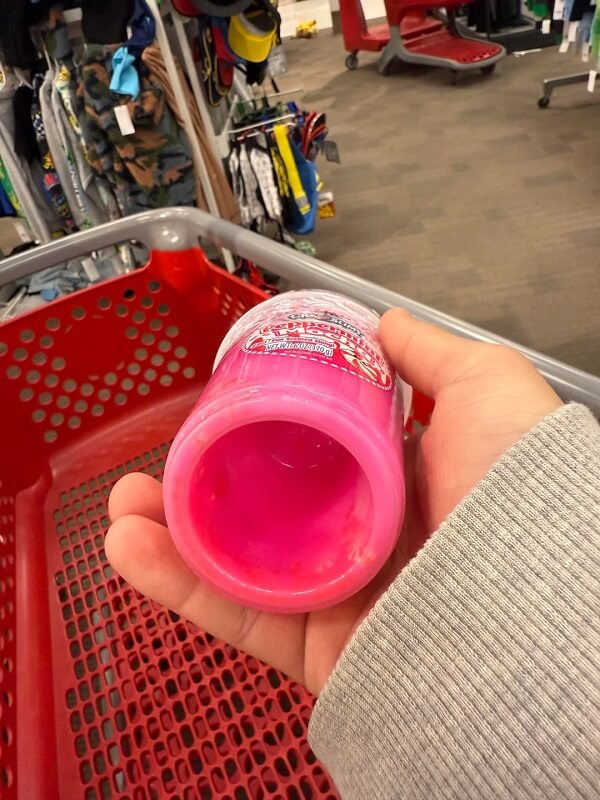
"There's no way all slime is so expensive to make that they have to try to trick people like this," one commenter wrote.
"What a ripoff," said another. "Seems the makers are slimy too."
"Greed," another commenter said succinctly.
TCD Picks » Quince Spotlight
💡These best-sellers from Quince deliver affordable, sustainable luxury for all




One Redditor noted that this design tactic of putting a small amount of product in a large package is known as "slack fill," and it has become increasingly common across consumer goods. The practice isn't just annoying, it's deceptive enough that it's regulated under U.S. law.
Why is packaging design important?
Beyond the frustration of paying more for less, deceptive packaging has a ripple effect. It contributes to excess plastic waste, which consumers are then left to dispose of.
Unfortunately, these instances span across industries, from overpackaged cosmetics to half-filled chocolate boxes, showing how companies often shift the responsibility for dealing with waste to consumers, rather than adopting sustainable designs or refill systems.
Overpackaging not only drives up production costs, but it also adds to the mounting piles of single-use plastics in landfills.
|
Should companies be required to help recycle their own products?
Click your choice to see results and speak your mind. |
 Definitely 👍
 According to Statista data, Americans threw away roughly 40 million tons of plastic waste in 2021. As plastic sits in landfills, it contributes to methane production that fuels the planet's overheating, and it sheds microplastics that harm both animals and humans.
Is Cra-Z-Art doing anything about this?
Cra-Z-Art, the manufacturer behind the viral slime, hasn't publicly addressed the complaints about misleading packaging.
While the company promotes its products as "creative, safe, and fun," customers online argue that deceptive container designs, like using false bottoms or oversized jars, take away from that promise.
What's being done about packaging more broadly?
The government continues to monitor and fine brands for deceptive packaging practices, but enforcement remains limited compared to the scope of the problem. This is how so many companies have been getting away with excess and misleading packaging.
However, consumers can push back. By choosing plastic-free options or alternatives and supporting brands with transparent packaging, shoppers can make a difference.
While the slime trend is fun, sustainable packaging should not be just a fad.

Join our free newsletter for good news and useful tips, and don't miss this cool list of easy ways to help yourself while helping the planet.






