


Dhaka, Bangladesh, is experiencing an increase in prices for vegetables, green chilies included.
Rainy weather and supply shortages are being blamed for pushing grocery costs upward. These climate-related disruptions can impact household budgets and food security.
What's happening?
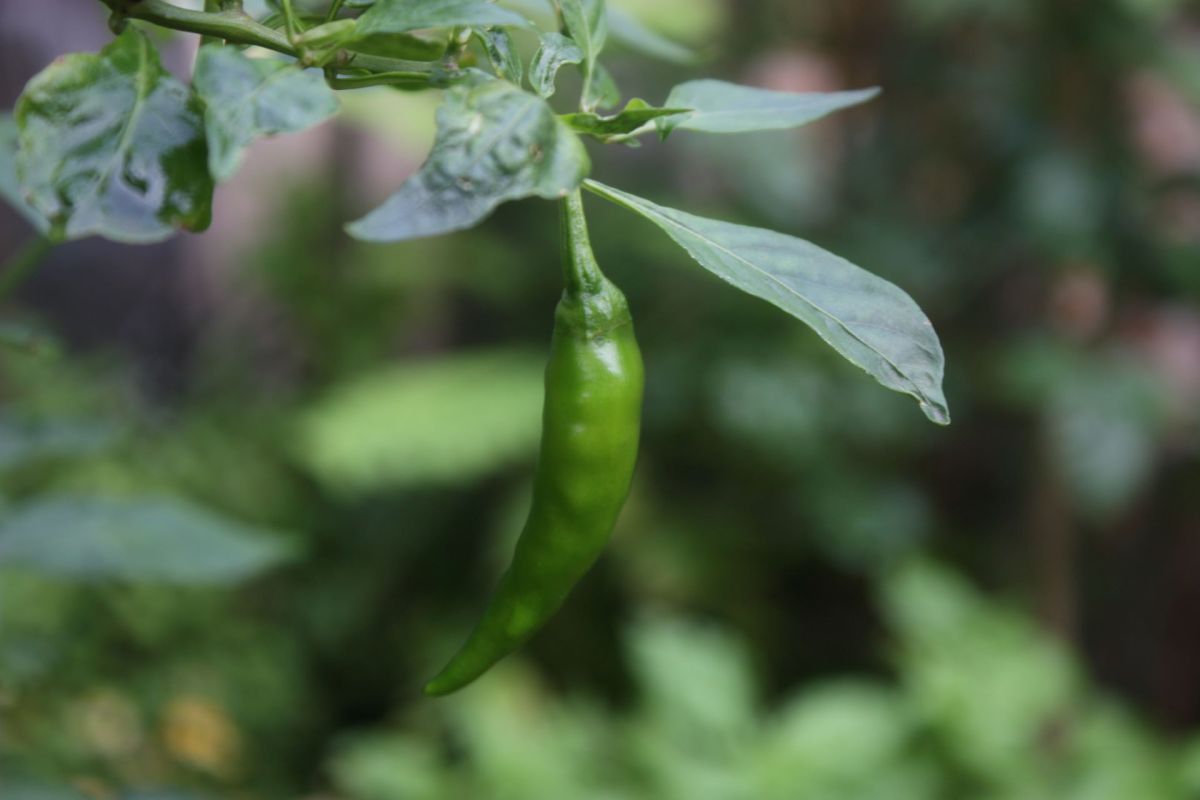
On October 2, the price of green chilies in Dhaka's kitchen markets jumped by Tk100 ($0.82) per kilogram. The cost reached Tk300 to Tk320 (about $2.50 to $2.60 per kg) — a significant increase from Tk200 the previous day.
The Business Standard stated that traders attributed the spikes to rain and vegetable shortages.
This wasn't an isolated incident. Vendors saw prices for "vegetables increased by Tk10 to Tk20 per kg." Most produce was above Tk80 per kg.
Consecutive days of rain damaged harvests. Vegetable fields in low-lying areas around Dhaka were submerged and waterlogged. Adverse weather in late autumn affected early cultivated winter vegetables, reducing availability.
TCD Picks » Quince Spotlight
💡These best-sellers from Quince deliver affordable, sustainable luxury for all




Why are Dhaka's weather changes and food shortages concerning?
Dhaka is dealing with our overheating planet's changing weather patterns, which creates a twofold problem. Climate shifts lead to higher food prices and hardship for communities.
Erratic and intense rainfall can devastate agricultural output. Farmers cannot harvest damaged crops or fields, resulting in immediate supply shortages.
People's livelihoods are at stake when groceries become more expensive for consumers. Stretch family budgets and price hikes can result in food insecurity and financial strain.
The damage to vegetable fields and early winter crops points to an alarming fact. Our food systems are vulnerable to unpredictable weather.
|
What is the biggest reason you don't grow food at home? Click your choice to see results and speak your mind. |
 Not enough time ⏳
 As local supplies decrease, communities become more reliant on distant sources. Transportation, shipping, and distribution can add further costs, create supply chain complexities, and increase pollution.
What's being done about these climate-induced food crises?
Addressing climate-driven increases in food prices is a multifaceted approach.
At the local level, improving drainage systems can help prevent flooding, while climate-resilient agricultural practices can safeguard seasonal food supplies.
Planting crop varieties more tolerant to floods or droughts is one practice. One study, published in the journal Plant Physiology, showed rice, one of the crops most threatened by floods, uses germplasm to resist flooding.
Adopting techniques that protect soil from excessive water is another. Methods like this help farmers withstand unpredictable weather.
Reducing planet-warming pollution from dirty energy sources is essential in stabilizing global temperatures. Doing so can mitigate extreme weather events that wreak havoc on agriculture.
Meanwhile, individuals can also shop smarter for groceries to manage their budgets. This can involve meal planning, buying seasonal, locally-sourced produce, and minimizing food waste.
The farm-to-table challenges are immense, but two solutions are available to us. Adaptive agricultural strategies and global climate action can make food systems more resilient. In the process, they help protect communities from soaring costs.

Join our free newsletter for easy tips to save more and waste less, and don't miss this cool list of easy ways to help yourself while helping the planet.







