


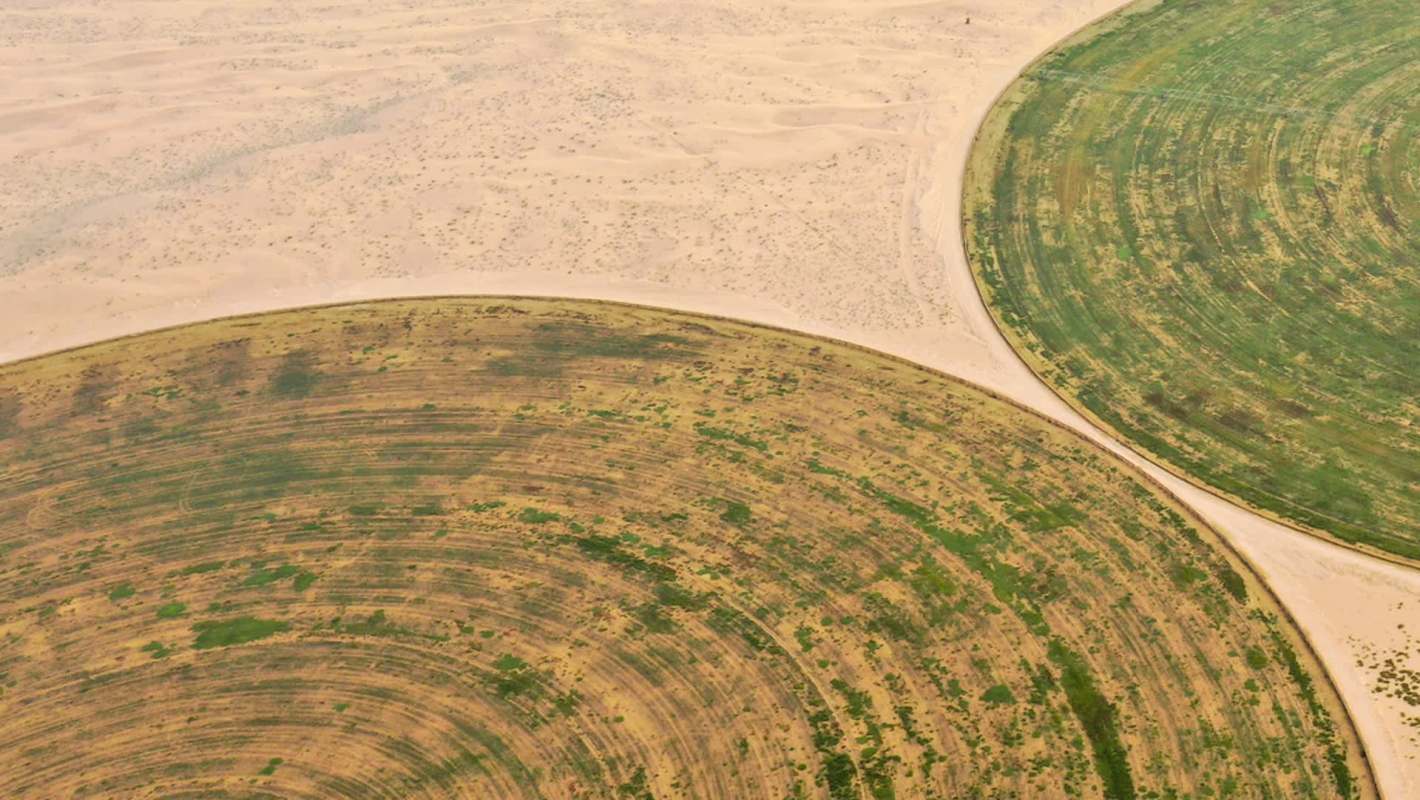
Scientists looking for ways to grow crops in desert soil have landed on a surprising solution: pineapples.
By adding relatively small amounts of pineapple fibers to sandy soil, researchers were able to increase retention of both water and fertilizers, a key problem in arid regions, according to a new study published in the Journal of Bioresources and Bioproducts.
Even better, the results were long-lasting.
"We have stabilized sand samples that are two years old now and they seem as good as when we first made them," said Blaise Leopold Tardy, the study's lead author, per Anthropocene Magazine.
To test the impact that pineapple fibers had on sandy soil, the researchers collected pineapple peels from local businesses, breaking them down into fibers of various sizes. They then tested the fibers in different sizes and concentrations to see which combination had the most impact.
The researchers learned that using microscopic nanofibers to replace between 0.25% and 2% of the sandy soil yielded the best results, according to Anthropocene Magazine.
TCD Picks » Quince Spotlight
💡These best-sellers from Quince deliver affordable, sustainable luxury for all




When growing cherry tomato plants in the treated soil, the researchers found that the plants had a better survival rate, sprouted more leaves, and grew more branches.
The amazing discovery shows that recycled biomass from discarded fruits and vegetables could be used to improve crop production in dry, arid regions with sandy soil. If replicable at larger scales, this process could help reclaim desert lands for food production while also reducing the amount of biowaste that ends up in landfills.
"My biggest hope is really seeing green bins at the domestic and industrial levels everywhere in arid areas to maximize the circular use of green 'wastes,'" Tardy said, per Anthropocene Magazine.
As global temperatures rise, arid regions are experiencing increased desertification, reducing the amount of land available to grow food.
|
What is the biggest reason you don't grow food at home? Click your choice to see results and speak your mind. |
 Not enough time ⏳
 "In 2015, about 500 (380-620) million people lived within areas which experienced desertification between the 1980s and 2000s," particularly in East and South Asia, North Africa, and the Middle East, according to a report by the U.N. Intergovernmental Panel on Climate Change.
"Climate change, including increases in frequency and intensity of extremes, has adversely impacted food security and terrestrial ecosystems as well as contributed to desertification and land degradation in many regions," the report stated.
The new study showing the impact that pineapple fibers can have on sandy soil gives hope that relatively simple interventions can reverse these processes. If humans are able to use waste from fruits and vegetables to rejuvenate dry, sandy soil and improve crop production, it can help increase food supplies, reverse desertification, and reduce waste all at once.

Join our free newsletter for weekly updates on the latest innovations improving our lives and shaping our future, and don't miss this cool list of easy ways to help yourself while helping the planet.






