


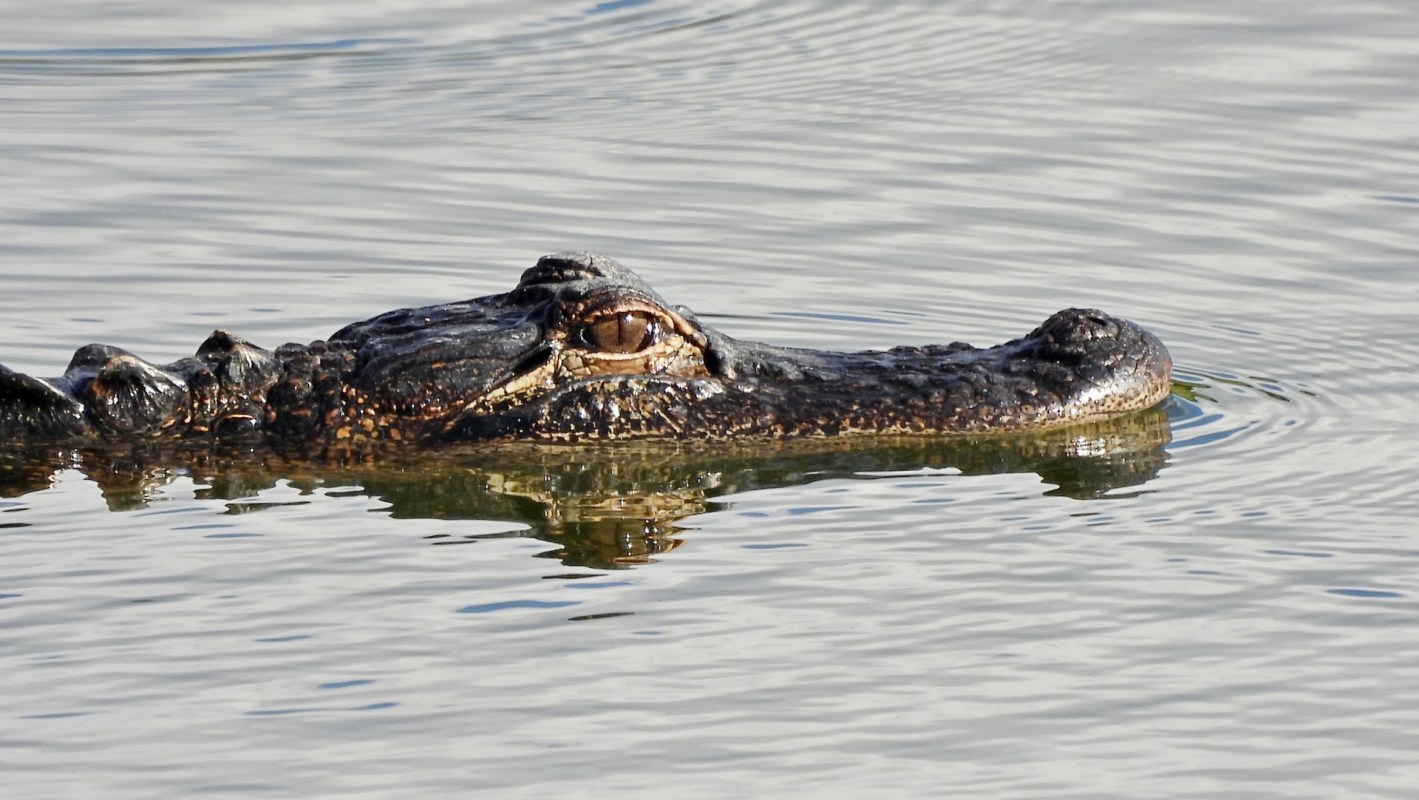
Habitat destruction and resource shortages caused by human population growth and climate change are forcing animals from their domains, leading to a higher potential for animal attacks on humans and pets, the BBC reported.
One resident of Land O'Lakes, Florida, faced the consequences of this phenomenon.
While walking near her home, 53-year-old Diane Wright was forced to jump into defense mode to save her 4-month-old puppy from an alligator, according to The New York Times.
What's happening?
Wright heard a squeak from her small puppy, Dax. She turned and found that the alligator had Dax by the collar and pulled him into the shallow creek.
Holding onto her puppy, Wright was pulled in behind him.
"I held on to the leash for dear life," Wright told the Times.
TCD Picks » Quince Spotlight
💡These best-sellers from Quince deliver affordable, sustainable luxury for all




A rush of adrenaline helped Wright free her dog from the alligator's chompers. She tossed him ashore, unharmed, and began to defend herself.
The alligator had her by the arm, and she fought with all her might to free herself. Once she had, she contacted the authorities, taking note of the bloody bite marks on her arms.
The hungry gator was caught by a pair of alligator trappers.
Why are animal attacks important?
Alligators, according to the Florida Fish and Wildlife Conservation Commission, found in human-dominated spaces that are over 4 feet long and could pose a threat to humans or pets are killed by professionals.
|
Do you think America does a good job of protecting its natural beauty? Click your choice to see results and speak your mind. |
 Definitely 👍
 The commission stated that, when released, the animals often return to their capture sites or offset balance in rural areas where gator populations are already established and stable. There, they could kill a resident alligator.
The killing of unwanted alligators is done to protect the people they invade and other alligators.
Invade, however, may be an unfair word. Is it not humans who have invaded the alligator's spaces?
As the human population increases, resources decrease, as does space for human occupancy. In response, humans destroy the habitats of alligators and other wild animals, pushing the animals into closer contact with humans.
This poses a danger to all species involved, as the humans and animals are both threatened with death through interaction.
What's being done about alligator attacks?
Wright warned others in the area, via the Times, to be aware of their surroundings and alligators: "If you live in Florida or anywhere there are gators, you have to keep your eye out 24/7. I never saw the alligator coming."
While residents protect themselves by staying alert, Florida officials are doing their part as well.
After the resurgence of alligator populations thanks to earlier conservation efforts, conservationists have placed their focus on restoring wetland habitats, according to the Marine Biodiversity and Sustainability Learning Center.
These efforts are made in part to keep populations stable and can hinder further attacks.

Join our free newsletter for good news and useful tips, and don't miss this cool list of easy ways to help yourself while helping the planet.







