


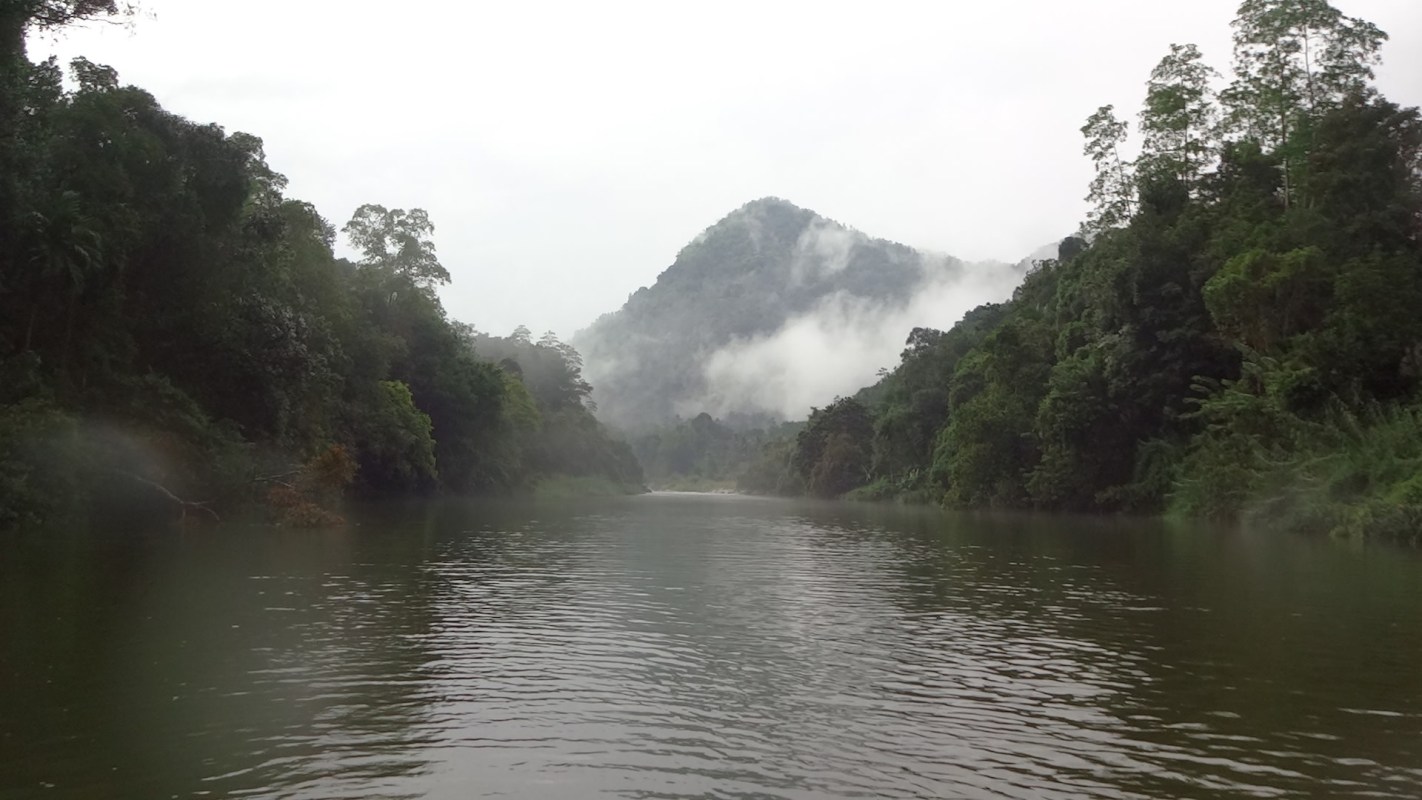
An island nation in South Asia is taking a proactive approach to tackling invasive species in its waters.
France 24 reported that authorities in Sri Lanka have introduced a strict ban on the import, possession, and trade of four problematic fish species: the redline snakehead, knife fish, alligator gar, and piranha.
"We want to protect our inland water bodies from invasive species," Minister of Fisheries, Aquatic, and Ocean Resources Ramalingam Chandrasekar said.
Outside of their native habitats, invasive species can inflict significant harm on ecosystems. Because they lack predators or other natural population control mechanisms, invasive species outcompete native species for resources and disrupt the balance of the food web.
Snakeheads are a particularly tricky species to manage because of their large size and voracious appetites. In Taiwan's popular Sun Moon Lake, they have been a menace for years, and despite numerous efforts to eradicate them, they remain present.
They are, however, edible and make for a versatile ingredient for cooks and diners, if one can get past that ugly mug. While snakeheads aren't yet a part of Sri Lankan cuisine, eating invasive species is one of the best ways to cope with them.
TCD Picks » Quince Spotlight
💡These best-sellers from Quince deliver affordable, sustainable luxury for all




The alligator gar is one of the most striking freshwater fish in the world, native to the Southeast United States. These can reach truly gigantic dimensions, measuring 8 feet in length and weighing over 300 pounds.
Piranhas' reputation as aggressive hunters precedes them, but despite media portrayals, they are not typically dangerous to humans. Outside of their native range, they lack predators to regulate their numbers.
These invasive species were detected in Deduru Oya Reservoir, and authorities encouraged anglers to catch and cook them in a competition. Officials have employed similar contests to manage invasive species in other areas.
According to Phys.org, snakeheads make good sport fishing targets because of their aggression. Government official Kolitha Kamal Jinadasa hailed the contributions of residents who helped.
"In one day, we can remove a large number of fish from the natural environment, and then we can control their population," Jinadasa said.
|
Do you think America does a good job of protecting its natural beauty? Click your choice to see results and speak your mind. |
 Definitely 👍
Join our free newsletter for good news and useful tips, and don't miss this cool list of easy ways to help yourself while helping the planet.







