


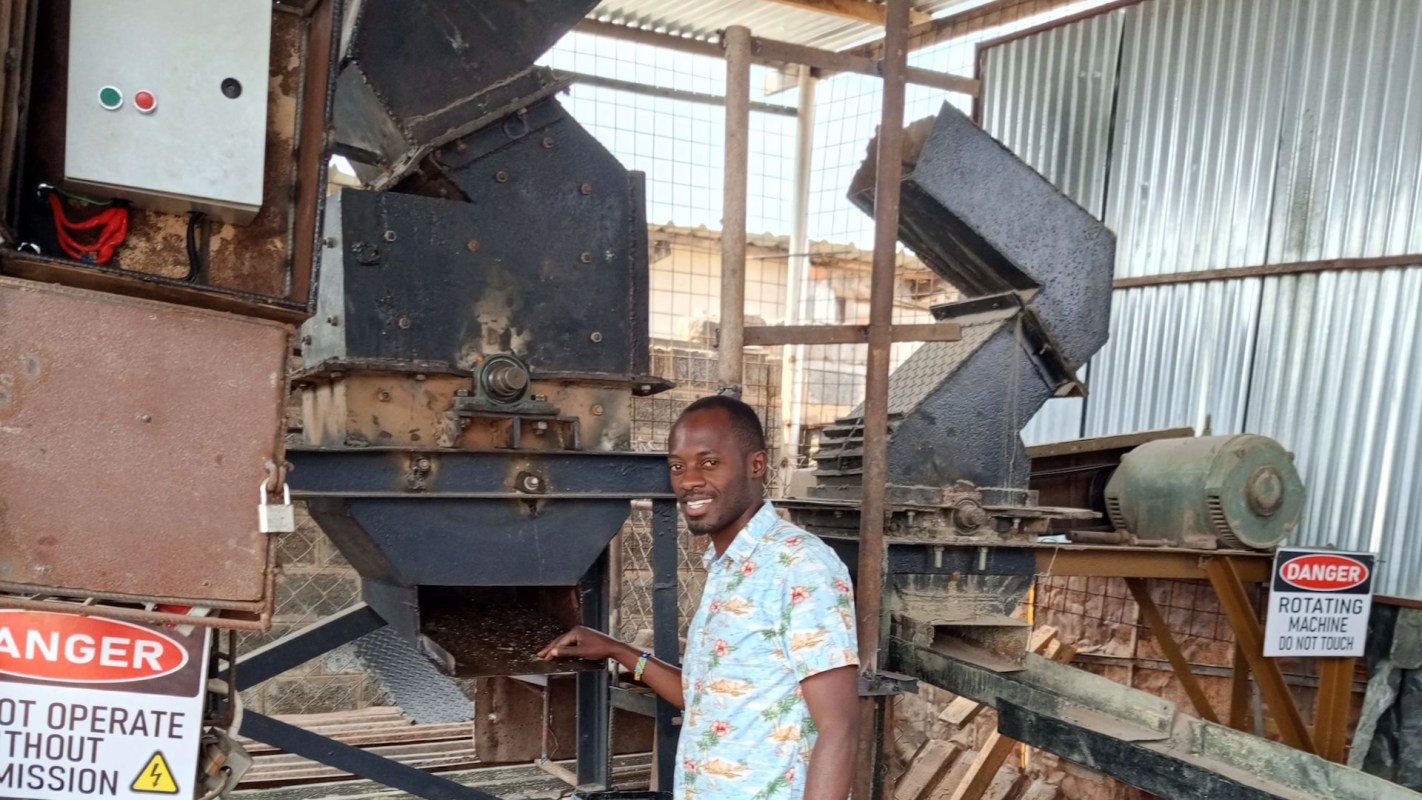
A young innovator in Zambia is reimagining electronic waste disposal with a groundbreaking solution that could turn one of the country's dirtiest practices into a cleaner, more sustainable industry. At just 28 years old, Chimfwembe Mutale has launched Yaaka Investment Limited, the country's first formal e-waste recycling company.
Every year, Zambia generates around 23,000 metric tons of e-waste, much of which ends up in open fires or unregulated dumpsites. Burning these old devices releases a toxic cocktail of lead, mercury, and dioxins, polluting the air and water while endangering local families. In 2023 alone, the country's waste sector gave off 1.13 million metric tons of heat-trapping carbon dioxide, and a lot of this came from open burning. That's nearly as much as Zambia's entire power sector.
"Most people don't understand just how dangerous this waste is," Mutale told TechCabal. His company aims to change that by collecting discarded electronics and converting them into valuable raw materials, all while keeping harmful pollution out of communities.
Yaaka's flagship recycling plant can process up to 50,000 metric tons of e-waste each year. Workers sort plastics, glass, and metals before feeding circuit boards into a locally engineered crusher and shaking table. This system safely and cleanly separates copper and other valuable materials. For every metric ton of waste processed, Yaaka recovers about 300 kilograms of metal, which can be resold to local industries.
Zambia's Extended Producer Responsibility rules, which require businesses to safely dispose of e-waste, help drive interest in Yaaka's recycling service. Companies often even send over their waste for free, making the recycling process even more financially sustainable.
Yaaka is seeing some upfront challenges, including limited funding and an unstable power supply. But partnerships with organizations like state-owned telecom Zamtel are helping secure steady streams of obsolete electronics, and plans are also underway to install solar power at the flagship Kitwe facility by the end of 2025.
TCD Picks » Quince Spotlight
💡These best-sellers from Quince deliver affordable, sustainable luxury for all




What began as a student NGO in 2015 has quickly grown into a promising operation for Zambia and neighboring countries. A recent study estimated that scaling this e-waste recycling sector in Zambia could be worth $712 million annually — all while reducing pollution, creating jobs, and protecting public health.
Mutale hopes to eventually establish at least one recycling plant in each of Zambia's 10 provinces, as well as potentially expand to neighboring countries facing similar crises. "Climate change is a serious issue," he said, "and we want to make sure that everyone is aware of how they are contributing to this and how they can, in their own little ways, prevent it from destroying everything."
|
Do you worry about having toxic forever chemicals in your home?
Click your choice to see results and speak your mind. |
 Majorly 😥
Join our free newsletter for weekly updates on the latest innovations improving our lives and shaping our future, and don't miss this cool list of easy ways to help yourself while helping the planet.






