


The new U.S. administration has dismantled KleptoCapture — a Justice Department task force created to seize Russian oligarchs' hidden assets and funnel proceeds to Ukraine. While this appears to be in favor of Russia, some of the captured assets were costing more than you can imagine.
KleptoCapture was designed to crack down on the offshore financial system — the global web of shell companies and tax havens that allows the superrich, such as Russian elites, cartels, and corporations, to avoid regulations and essentially hide trillions of dollars. This system fuels corruption, tax evasion, money laundering, and even the fentanyl trade.
The Tax Justice Network, a British advocacy group, estimates that as much as $32 trillion might be stashed in offshore accounts today, costing governments some $480 billion in lost revenue each year.
However, Russia might be the worst offender of all. Alex Dziadosz for the New York Times wrote: "A 2017 paper estimated that as much as 60 percent of Russia's gross domestic product might be held in tax havens, six times the global average."
Fighting this system is notoriously difficult. Not only is tracking down the paper trails for assets hidden behind extremely complex offshore accounts time-consuming and expensive, but the assets are also owned by some of the wealthiest people in the world, who have practically unlimited legal resources. Authorities struggle with it, often ending up in what many would consider a wild goose chase, where they spend months retrieving records that lead to another shell company in a different jurisdiction.
Andrew Adams, appointed lead of the now-dissolved task force, told Dziadosz: "As a prosecutor, you're boxing with a blindfold on."
TCD Picks » Quince Spotlight
💡These best-sellers from Quince deliver affordable, sustainable luxury for all




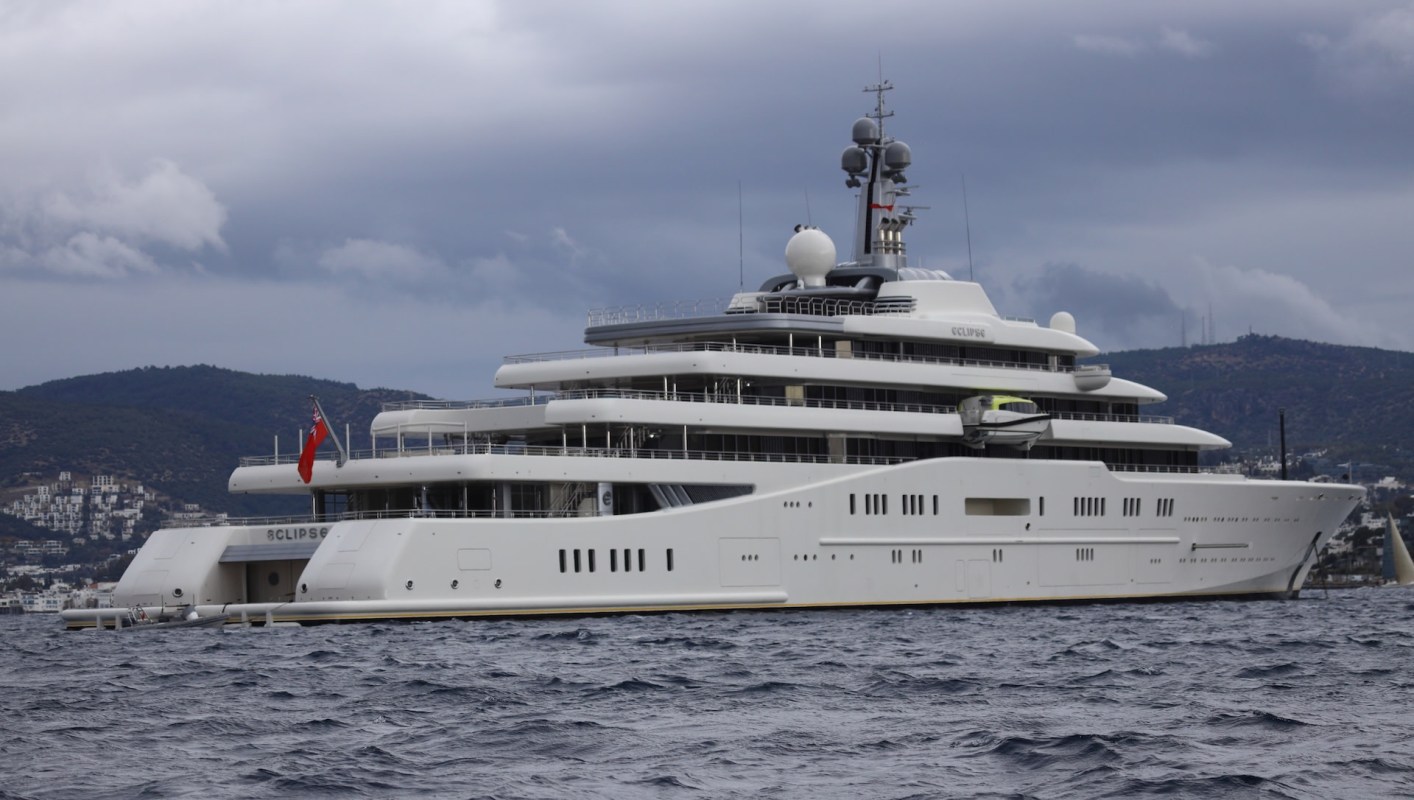
KleptoCapture managed some successes, including the seizure of several megayachts, including the $300 million Russian superyacht Amadea. The yacht was captured under sanction violations, despite its ownership being concealed through layers of "shell companies, anonymous trusts, and other legal structures," as Dziadosz wrote for the New York Times.
"This yacht seizure should tell every corrupt Russian oligarch that they cannot hide — not even in the remotest part of the world," Deputy Attorney General Lisa O. Monaco was quoted by the Times.
While not easy in the slightest, the existence of the task force showed that progress was possible with "enough political will," as Adams explained.
The current administration's decision to reverse course has critics warning that this benefits not just Russian oligarchs, but drug cartels, hostile governments such as China and Iran, and corporations dodging taxes as well. However, the Trump administration believed these efforts were keeping "trillions of dollars parked overseas" and questioned the cost of each win.
|
Should the ultra-wealthy pay a tax to help offset their environmental impact?
Click your choice to see results and speak your mind. |
 Absolutely 💯
 As per the Times, the Amadea cost the U.S. nearly $1 million a month in docking and upkeep fees during court proceedings. What should have been a triumph was quickly found to be a financial obligation many consider a disaster.
While the cost of maintaining a megayacht is jaw-dropping, the environmental impact is even more massive. These vessels operate on large amounts of dirty energy that release carbon and other toxic gases into the air, which trap heat in the atmosphere and warm the planet. As Bloomberg reported, the carbon pollution of the 300 largest yachts is more than the entire nation of Tonga.
The luxurious and unnecessary boats also create an overwhelming amount of waste generation and marine disturbance, even when they're docked. In fact, some people believe yachting is the most polluting activity a person can engage in, demanding the elite be held accountable for their impact on the environment.

Join our free newsletter for good news and useful tips, and don't miss this cool list of easy ways to help yourself while helping the planet.






