A homeowner looking to cover an awkward strip of land near their fence turned to the r/landscaping Reddit community for advice.
The area, filled with leftover stumps and uneven ground, seemed like the perfect candidate for a quick fix using cardboard, heavy landscape fabric, and mulch.
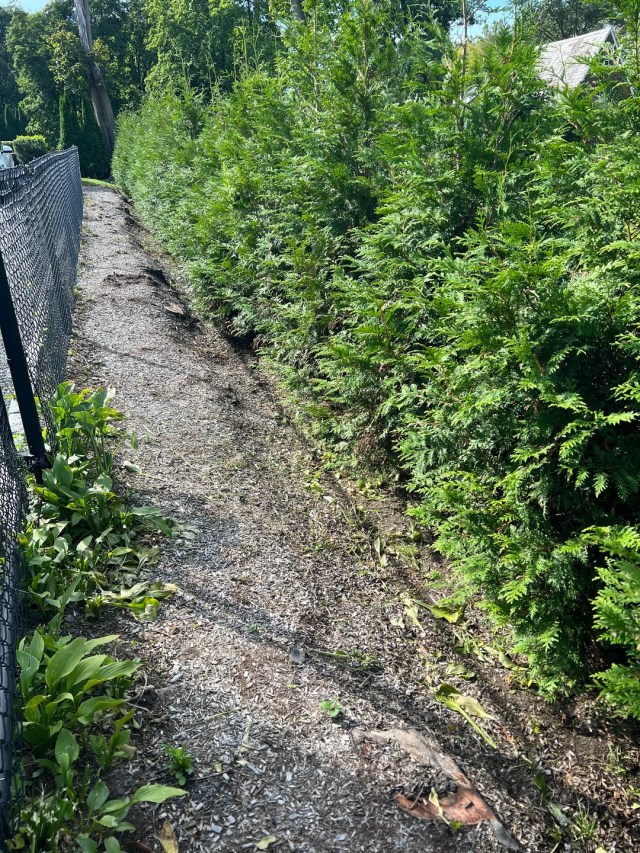
Instead, they received a flood of strong advice to rethink one major purchase: landscaping fabric. As one commenter bluntly put it, "Return the fabric. Go back to the store, and return the fabric."
Landscape fabric is often marketed as a solution for weed control. After all, the idea of using it sounds appealing. Lay it down, cover with mulch, and you expect a weed-free yard.
But in reality, it rarely works out that way.
As explained by the College of Agricultural, Consumer & Environmental Sciences at the University of Illinois Urbana-Champaign, landscape fabric can help suppress weeds.
TCD Picks » Good Store Spotlight
Get 10% off your next purchase with code TCD10
But it only works for a couple of years. In the long run, landscape fabric may do more harm than good to your plants and the environment.
According to Pollinator Partnership, landscape fabric kills soil microorganisms because it blocks sunlight and prevents soil aeration and water infiltration. Landscape fabric also affects natural soil enrichment because it serves as a barrier that prevents organic matter from decomposing.
Landscape fabric is made from tightly woven polyester or plastic fibers. Over time, these degrade and introduce microplastics into the soil and waterways.
That leaves homeowners investing money and hours of labor in a solution that often fails within a few years.
|
What's the hardest thing about taking care of your yard? Click your choice to see results and speak your mind. |
 Mowing the lawn 🏡
 Commenters urged the poster to consider more eco-friendly, cost-effective options.
Replacing even part of the lawn with native plants, clover, or buffalo grass can help reduce water bills and maintenance needs while still keeping the space green and usable.
Xeriscaping, which uses water-efficient plants, is also a good alternative, especially for water conservation and minimizing reliance on chemical fertilizers, as noted by the World Economic Forum.
Small swaps, such as upgrading to a natural lawn or using organic mulch, can add up to big benefits like creating healthier habitats for pollinators.
"Throw down native flower seeds that work for level of exposure and water. Call it a day. No fabric," explained a commenter.
"Native flowers are always my top pick. Possibly some taller grass, depending on where you live / what your taste is," suggested one Redditor.

Join our free newsletter for easy tips to save more and waste less, and don't miss this cool list of easy ways to help yourself while helping the planet.