


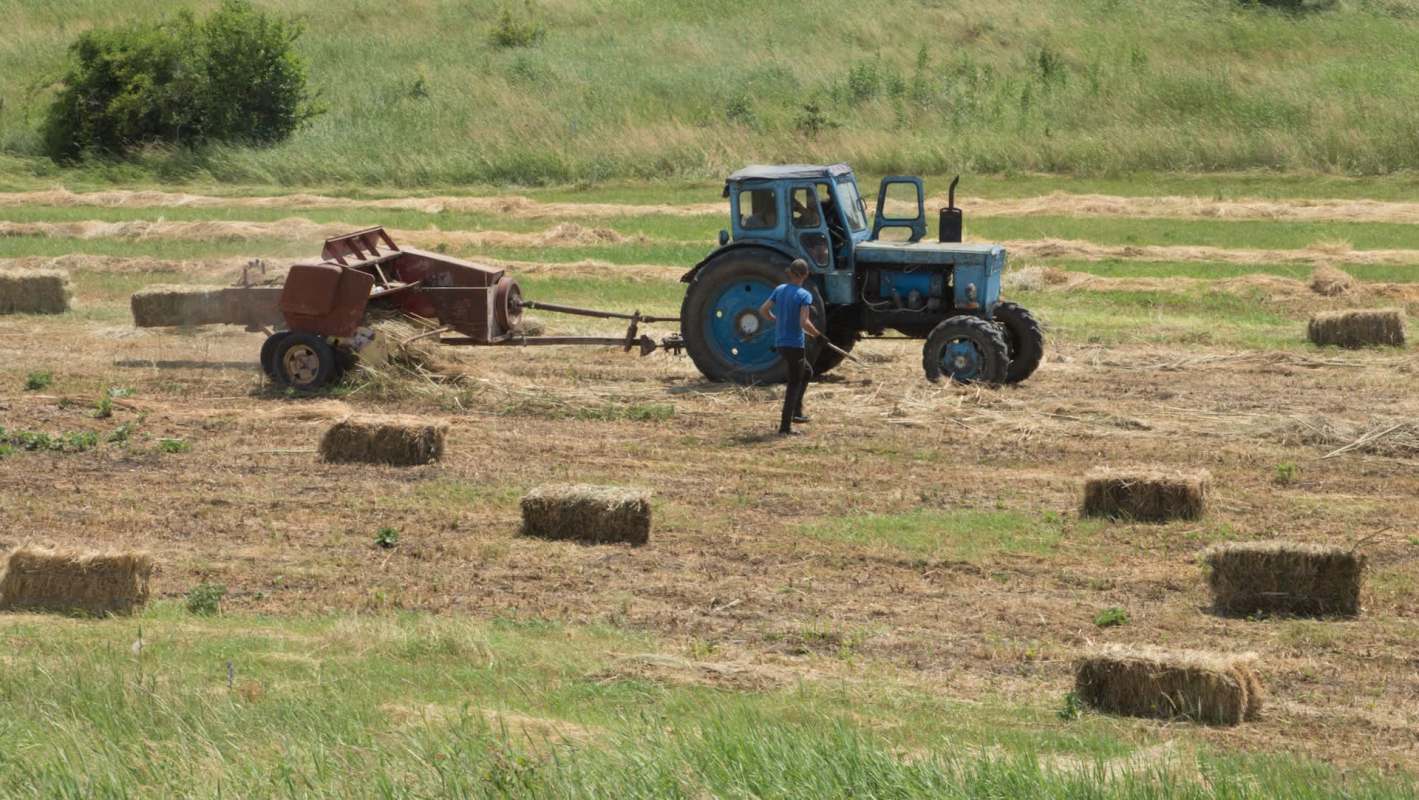
The impacts of the U.K.'s historically hot and dry spring and summer months are still being felt into the fall, as farmers and livestock producers have been feeling the pinch of lower-than-usual grass yields, the BBC reported.
What's happening?
With the summer winding down, experts have confirmed what many had already known from personal experience: The summer of 2025 was the U.K.'s hottest ever.
Making matters even worse, the scorching summer came on the heels of what the Met Office, the U.K.'s national meteorological service, has declared to be the country's hottest spring ever.
The dry, hot growing months have led to greatly diminished yields for the fall harvest, which has hurt grass farmers and those who rely on local hay to feed their animals.
"We are about 60% down on where we should be, and we supply a lot of equine yards in the area, and it has been tough," Olly Morris, a hay seller, told the BBC. Morris called the shortage "a nationwide problem."
The shortage has hit both buyers and sellers in the wallet, with both having to rely on more expensive hay brought in from elsewhere to make up for the lower yields, per the BBC.
TCD Picks » Quince Spotlight
💡These best-sellers from Quince deliver affordable, sustainable luxury for all




Why do hay shortages in the U.K. matter?
The U.K. hay shortage has been just one example of the impacts that rising global temperatures have had on a wide range of industries, and it has been indicative of the sort of challenges the world will increasingly face as heat becomes more severe.
For decades, experts have warned that releasing large quantities of heat-trapping pollution into the atmosphere would cause global average temperatures to increase, making extreme weather events like heat waves more severe. However, what once were academic projections about the not-so-distant future have fast become the current reality.
"As scientists, we talk about the future of climate change but we don't talk enough about what's already happened," Richard Ellis, a professor of crop production at the University of Reading, told the BBC.
Unless the world changes course quickly and dramatically, these sorts of shortages are likely to become the new normal.
|
What is the biggest reason you don't grow food at home? Click your choice to see results and speak your mind. |
 Not enough time ⏳
 "The actual grass-growing potential has declined greatly in the last 80 years," Ellis explained to the BBC.
These diminishing yields cause prices to increase, ultimately making food more expensive and less abundant.
What's being done about it?
While in the short term, suppliers and purchasers can try to make up the difference by sourcing hay and other crops from places further afield, the only way to solve the problem long-term is by significantly cutting back on the amount of planet-overheating pollution that humans generate. This will require weaning the world's economy off dirtier, extracted fuels like oil, coal, and natural gas and replacing them with cleaner, renewable sources of energy like solar.
To help spur on this transition, you can take steps like driving an EV and installing solar panels on your home. Solar panels can drop your electric bill to practically zero, plus charging an EV off home solar is cheaper than doing so off the grid or at a public charging station.
While installing a home solar system might seem complicated, EnergySage simplifies the process with easy-to-use online tools that allow you to compare quotes among vetted local installers and see what tax credits and other incentives are available in your area.
However, with federal EV tax credits ending Sept. 30, and solar tax credits ending Dec. 31, you must act quickly to take advantage of the thousands of dollars in potential savings.

Join our free newsletter for good news and useful tips, and don't miss this cool list of easy ways to help yourself while helping the planet.







