


As extreme weather becomes more common, an increasing number of Americans face the one-two punch of enduring a disaster and being left with a damaged, often uninhabitable home.
Those stressors alone can feel insurmountable — but a new Grist report explained that disaster recovery scams are heaping additional pain on the victims of these horrifying events.
What's happening?
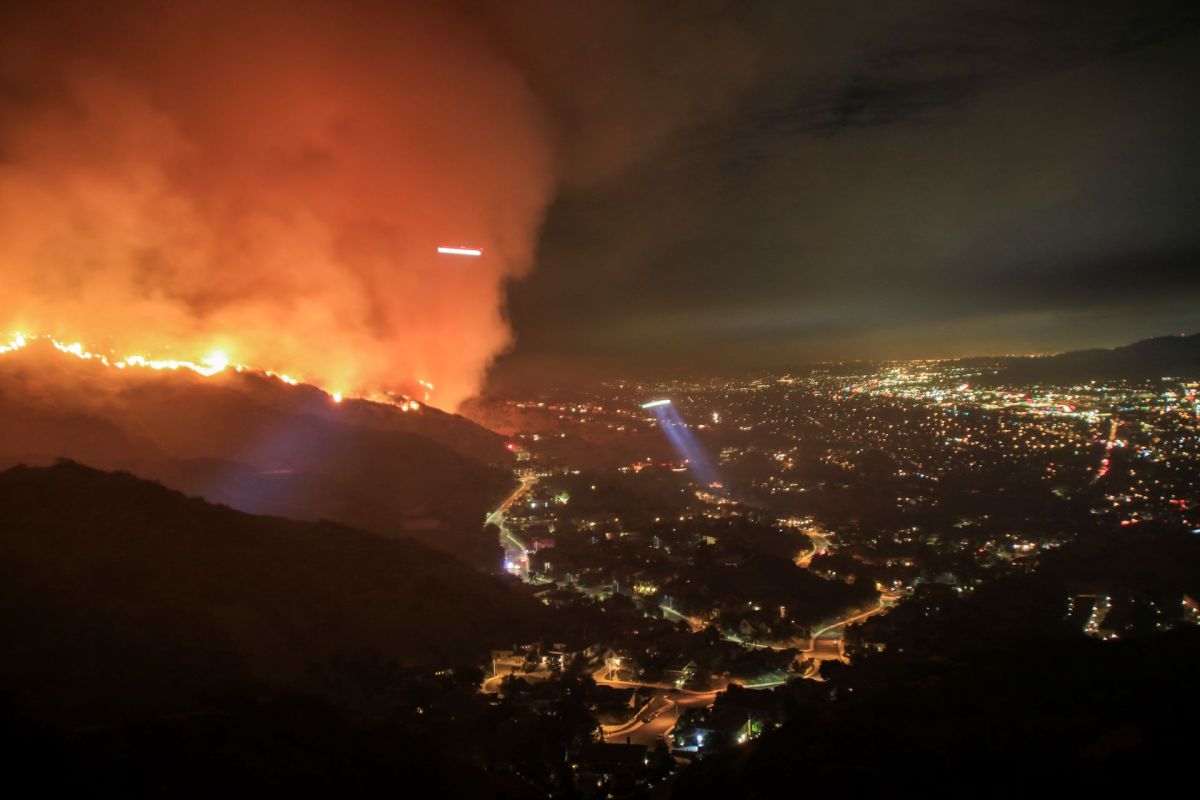
Before a spate of out-of-season wildfires tore through and devastated much of Los Angeles in January, the Mountain Fire destroyed hundreds of structures in November.
Rebuilding is draining and difficult even in smooth circumstances; when the fires in Los Angeles were extinguished, survivors encountered recovery roadblocks related to insurance almost immediately.
After the Mountain Fire in Ventura County, Camarillo resident Craig Crosby returned to his home to assess the damage. Crosby observed two men "canvassing" the battered neighborhood, later encountering them directly.
The pair identified themselves as associates of Servpro, a North American franchise operator focused on water and fire damage. They offered tantalizing assistance and said they worked with several home insurers, including Crosby's.
TCD Picks » Quince Spotlight
💡These best-sellers from Quince deliver affordable, sustainable luxury for all




Crosby told Grist that as a consumer advocate, the initial interaction set off alarm bells for him, particularly when they didn't seem to mind changes he made to a standard "corporate form."
According to the outlet, the Servpro associates soon began work on Crosby's fire-damaged home and led "Crosby to believe that his policy would cover the work." As they did, the homeowner began to second-guess their restoration efforts.
Workers seemed to be cleaning surfaces that weren't restorable, and Crosby said they later caused entirely new problems with the home's HVAC systems.
He reached out to his insurer and was shocked to learn that not only had they "never approved the work," but also that the franchise in question "was on their internal blacklist," leaving him on the hook for $16,000 of shoddy repair work.
|
How often do you worry about having your personal info stolen? Click your choice to see results and speak your mind. |
 Never 😌
 That $16,000 became $62,000, resulting in a mechanic's lien on Crosby's home.
Why is this concerning?
Grist included a shocking detail in their coverage: more than a third of disaster victims reported "experiencing fraud" in a recent survey.
As extreme weather becomes more frequent, scammers capitalize on the chaos.
A neighbor of Crosby's declined to be identified in the piece, but she told the outlet that she never authorized the work, despite a six-figure bill.
"In my whole 82-year-old life, I have never come across such absolute crooks," she lamented. "Here you are, a devastating thing … and they come and do this. It's horrible. Right now, I don't know how to get the lien off of my house."
What can be done about it?
Experts advised disaster victims that door-to-door canvassing "can be a telltale sign of predatory behavior aimed at exploiting vulnerable homeowners."
California implemented a seven-day rescission period after disasters, allowing residents a way out of hastily signed contracts with potential scammers.
Ultimately, experts recommended working closely with your home insurer after a disaster to validate estimates and confirm repairs are covered before they're conducted.

Join our free newsletter for good news and useful tips, and don't miss this cool list of easy ways to help yourself while helping the planet.






