


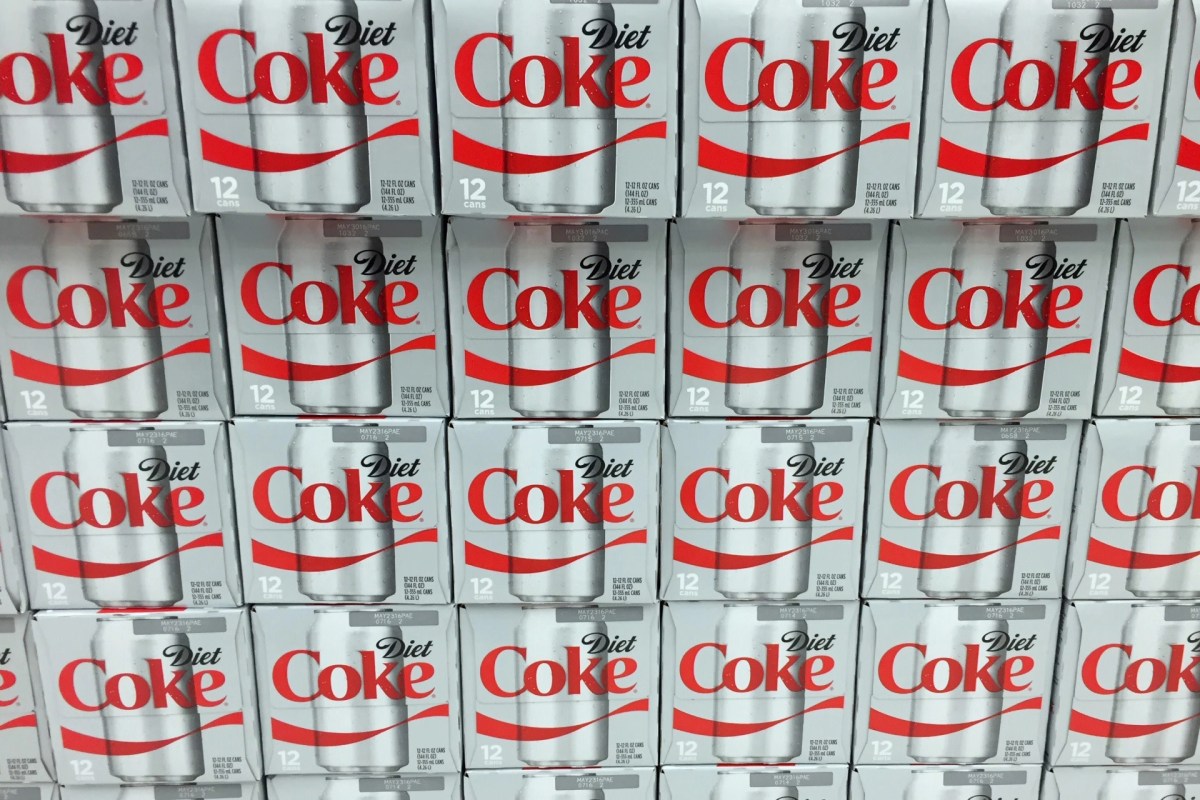
While it may seem like drinking just one can of diet soda isn't so bad, new research begs to differ. According to a news.com.au report, a study revealed the health consequences of drinking one diet soda per day.
What's happening?
As companies continue to market diet soda as a healthier alternative to regular soda, researchers are sounding the alarm. Scientists in Australia have found that drinking one diet soda per day has the potential to increase the risk of Type 2 diabetes.
"Drinking one or more of these beverages each day — whether sweetened with sugar or artificial substitutes — was linked to a significantly higher chance of developing Type 2 diabetes," study researcher Hussen Kabthymer said, per the news.com.au report.
The study analyzed data from over 36,000 individuals, aged between 40 and 69 years old. Since this was a longitudinal research study, the scientists gathered data from a 14-year period. According to the study's findings, drinking one diet soda per day "may increase your risk of developing Type 2 diabetes by a staggering 38%," reported news.com.au.
What's more, this set of data reveals that consumption of diet soda on a regular basis increases your risk of Type 2 diabetes more than full-sugar options.
"Surprisingly, that's an even higher risk than those opting for classic full-sugar options, which were linked to a 23% rise," the report explained.
TCD Picks » Quince Spotlight
💡These best-sellers from Quince deliver affordable, sustainable luxury for all




Why is this new research study important?
The study provides additional evidence disputing soda companies' claims that diet soda is a healthier alternative to regular soda. Artificial sweeteners used in diet sodas actually cause more harm, as more and more research is linking these sweeteners to increased health risks.
Artificial sweeteners are not just damaging to public health. They also pose a threat to the environment, as studies have identified artificial sweeteners as an "emerging pollutant."
While large beverage corporations, such as Coca-Cola, have attempted to reduce their environmental footprint through sustainable packaging programs, these initiatives are minuscule in the grand scheme. Coca-Cola, for example, still remains the largest producer of plastic waste.
What's being done about the health risks associated with diet soda?
Scientists and public health experts are advocating for change. By providing research-backed evidence revealing the health risks of diet soda, key stakeholders aim to hold soda companies accountable and reduce the public's soda intake.
"It might be time to broaden the policy discussion not just about taxing sugar, but about reducing population-level intake of all harmful beverages, regardless of whether they're sweetened with sugar or synthetic alternatives," Professor Barbora de Courten, a specialist physician at the Department of Diabetes & Vascular Medicine, told news.com.au.
|
Do you worry about having toxic forever chemicals in your home?
Click your choice to see results and speak your mind. |
 Majorly 😥
Join our free newsletter for easy tips to save more and waste less, and don't miss this cool list of easy ways to help yourself while helping the planet.







