


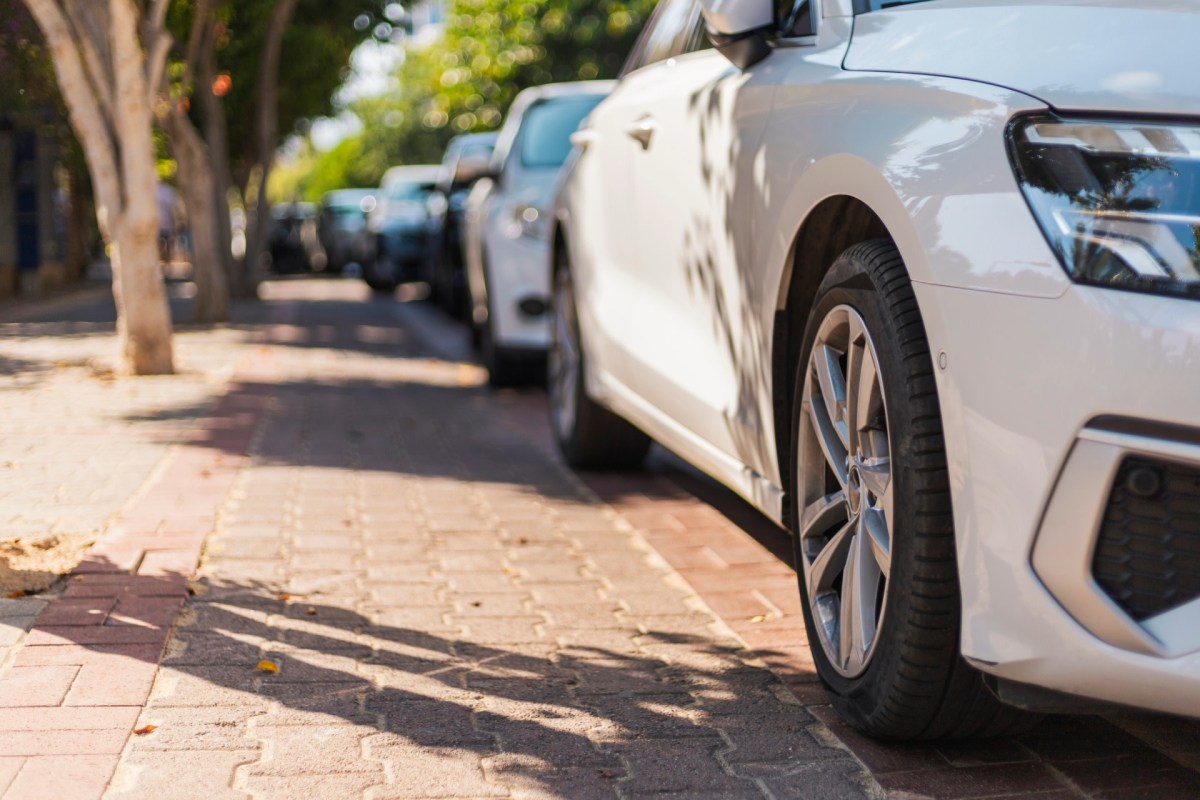
On a hot day, the heat radiating from parked cars may feel sweltering — and research confirms it's not just in your head. Scientists in Lisbon, Portugal, found that dark-colored vehicles can raise neighborhood temperatures.
What's happening?
A study published in City and Environment Interactions measured how parked cars baking in the sun impact local temperatures. ZME Science reported that researchers compared a black and a white car left in the sun for over five hours. The black car heated the air around it by nearly 39 degrees Fahrenheit more than asphalt, while the white car had little effect, sometimes even lowering the temperature.
"You know when you walk past a parked car on a hot day and feel the heat radiating off it?" geographer Márcia Matias asked, according to New Scientist. "That's real! It's not your imagination."
Considering black paint reflects 5-10% of sunlight compared to white paint's up to 85%, this isn't surprising. Given that Lisbon has more than 700,000 cars moving through the city and over 91,000 street parking spaces, this difference adds up.
Each dark car acts like a mini "heat island," radiating energy into the air. Multiplied across neighborhoods, that could push city air temperatures higher, making things even more unbearable during heat waves.
Why is urban heat concerning?
Urban heat islands already make cities hotter via dense infrastructure and surfaces including asphalt. Parked cars — especially dark-colored ones — makes the problem worse. This can push people to use more air conditioning, straining energy grids and worsening air pollution. Plus, it increases health risks such as dehydration and heat exhaustion, and it can even lead to death during extreme heat events.
TCD Picks » Quince Spotlight
💡These best-sellers from Quince deliver affordable, sustainable luxury for all




The researchers also explained that car surfaces heat up faster than asphalt or buildings. That means even short stints under the sun can push local temperatures upward, making sidewalks, parking lots, and residential areas less comfortable for people, pets, and wildlife. Vulnerable groups such as children, outdoor workers, and older adults are especially at risk.
As global temperatures rise because of planet-warming pollution, it's becoming even more important to find ways to reduce heat exposure and address variables that make hot days even worse.
What can we do about urban heat?
The study suggests simple fixes could make a meaningful difference. Incentivizing taxi, bus, and delivery services to switch their vehicles to light-colored paint could reduce the heat island effect.
Cities could also make parking areas shaded and encourage residents to choose light-colored cars through tax rebates or other incentives.
|
Do you think your city has good air quality? Click your choice to see results and speak your mind. |
 Definitely 🥰
 Drivers who choose to buy light-colored cars can quietly contribute to cooler cities while also enjoying a more comfortable ride with less need for air conditioning.
Combined with initiatives including planting more shade trees and expanding green areas, being mindful of car color could make cities safer and more comfortable for everyone.

Join our free newsletter for weekly updates on the latest innovations improving our lives and shaping our future, and don't miss this cool list of easy ways to help yourself while helping the planet.






