


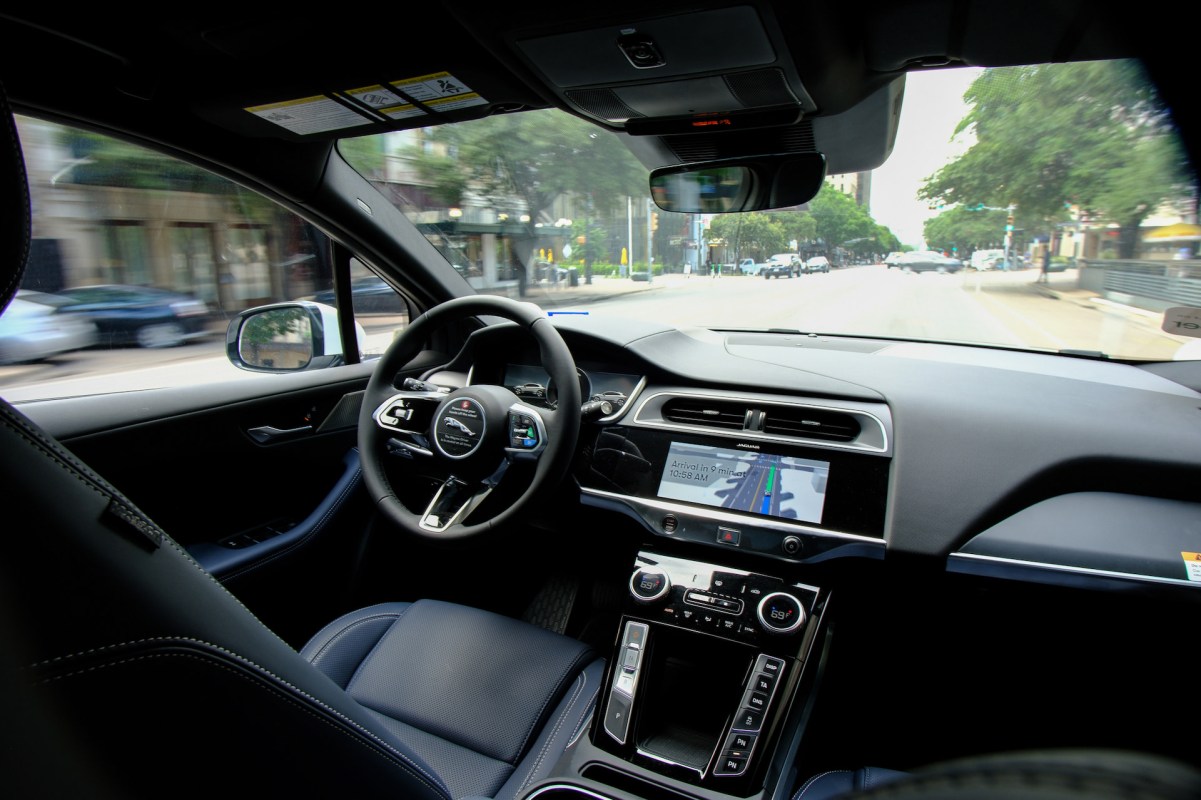
One of Tesla's biggest competitors in the self-driving robotaxi market has continued its recent growth, announcing that testing has begun in a pair of new cities.
What's happening?
According to CNBC, Waymo has begun testing in two new major American cities, Denver and Seattle, bringing its total number of served cities to 17 across the United States and Japan. In order to gain this testing approval, the company said it will feature human drivers at the outset.
"We will begin driving manually before validating our technology and operations for fully autonomous services in the future," a company spokesperson said in an email.
Why is Waymo's new testing important?
The self-driving company is in a race with Tesla in the United States and Baidu, a Chinese company, globally, among others such as Uber's partnership with Lucid.
While Waymo may still be playing catch-up outside the States, the Google-affiliated company has a sizable lead in the American market. Its closest self-driving competitor at the moment is Tesla, which is betting big on their AI-powered full self-driving vehicles to power the company forward.
However, some big roadblocks lie between Tesla and its goals. For starters, its testing is moving slowly; it's currently only operating in San Francisco and Austin, Texas, and in both cases, the program is still at a stage where it requires a human safety driver present to intervene in the event of mistakes or dangerous decisions, while Waymo is fully autonomous in many of the cities in which it is currently active.
TCD Picks » Quince Spotlight
💡These best-sellers from Quince deliver affordable, sustainable luxury for all




The longer it takes Tesla to expand beyond its current cities, the more opportunity Waymo has to expand its lead over them in the American market. The bigger that lead grows, the harder and harder it will be for Tesla to make up the gap.
And with the Uber-Lucid partnership and Volkswagen implementing its own plan to join the robotaxi fray, working with local services to implement its vehicles, things figure to only get more crowded in the FSD market moving forward.
What's being done about Waymo's lead?
Tesla is hoping to get permits for more testing and may be starting production on its Cybercab line of fully autonomous vehicles soon. In the meantime, they'll have to watch as Waymo continues its expansion and hope the company can make up the ground eventually.
One area where Tesla CEO Elon Musk believes his company has an advantage is highway driving, as Waymo vehicles are generally geofenced away from highway driving and thus relatively untested in that format compared to supervised FSD.
|
Do you think America could ever completely eliminate gas cars?
Click your choice to see results and speak your mind. |
 No way 👎
 More choice in the self-driving market isn't a bad thing for consumers; it helps keep prices low and competitive, and the eventual market figures to be large enough to accommodate all three companies.
However, it's better to be the group with the lead than the group playing catch-up, as Tesla proved over the last couple of decades with the EV market as a whole, and it's clear that Waymo has the early edge on driverless taxi services as they continue to grow.

Join our free newsletter for good news and useful tips, and don't miss this cool list of easy ways to help yourself while helping the planet.






