


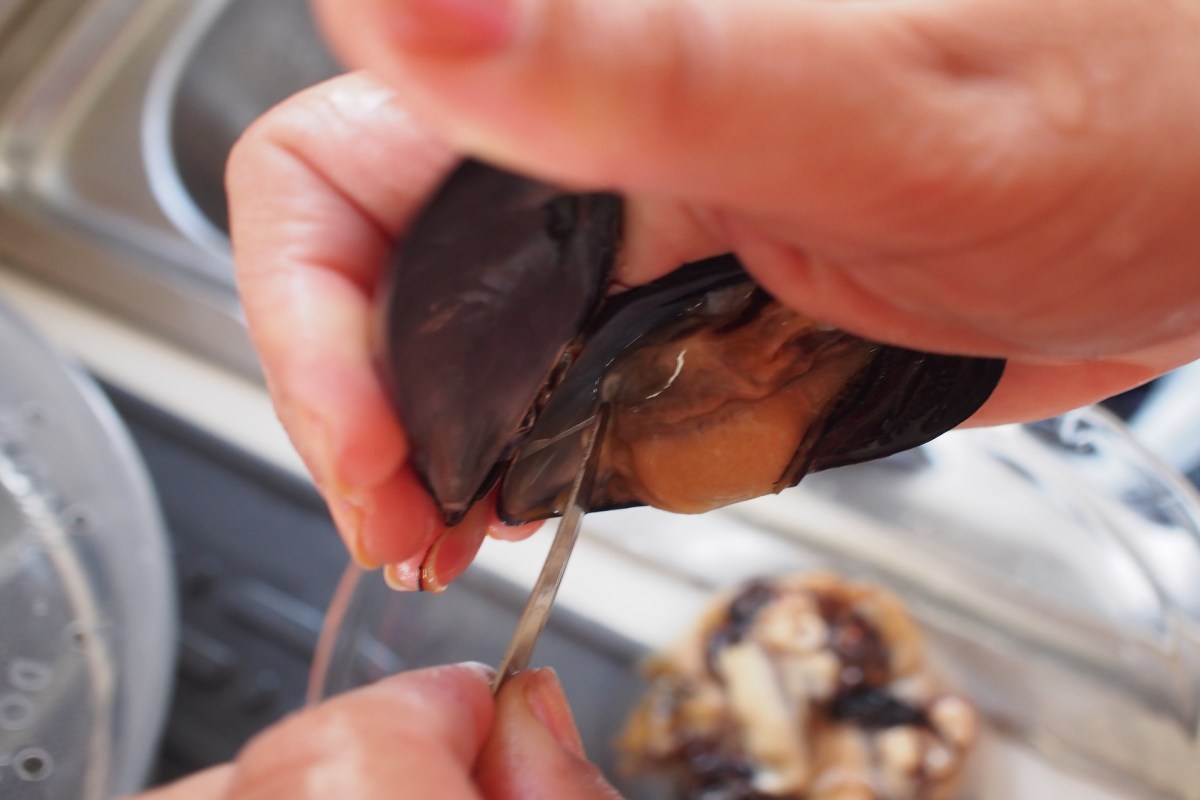
That steaming bowl of mussels you love? There might be an uninvited guest hiding inside. A recent report from Euractiv reveals that the oceans, especially prime mussel farming grounds, are swimming with invisible plastic fragments. This isn't just an environmental issue. It's a discovery that brings a huge pollution problem directly to our dinner plates.
What's happening?
Scientists are finding that nanoplastics, which are even smaller than the microplastics we often hear about, are far more widespread than previously thought.
A 2025 study in Nature found the North Atlantic is saturated with plastic particles, equating to roughly 27 million tonnes (29.7 million tons) circulating in the ocean. The highest levels were detected right along the continental shelf, where much of Europe's mussel farming takes place.
These tiny plastic particles pose an invisible threat to marine life, which can then end up on our dinner plates.
Why is this concerning?
Mussels are more than delicious.
The BBC once called them "the simple food that fights climate change" because they can grow without food or antibiotics while cleaning the oceans. But their greatest strength doubles as their biggest weakness. Each and every mussel filters gallons of water every day. This means they absorb whatever's in the water, including those microscopic plastic particles.
TCD Picks » Quince Spotlight
💡These best-sellers from Quince deliver affordable, sustainable luxury for all




Because we eat mussels whole, we swallow what they take in.
As noted by Euractiv, according to the European Mussel Producers Association, shellfish may be exposed to contaminants and possible "cocktail-effects" from pollution. A science brief from the European Commission warned that these combined pressures create "potentially synergistic effects" that increase toxicity.
The impact is already being felt, with one report of a "catastrophic" collapse in mussel numbers in Spain.
What's being done about it?
While this may not be good news, there is hope. Right now, there are people stepping up to find solutions. And it starts with all of us making small choices at home. And there's a lot of helpful information for using less plastic in our daily lives that can make a big difference.
|
Do you worry about having toxic forever chemicals in your home?
Click your choice to see results and speak your mind. |
 Majorly 😥
 Beyond our homes, innovation is doing its part too. To stop the problem at its source, scientists are pioneering new technologies, such as an automatic device for assessing plastic pollution in rivers with greater accuracy. Promising new research shows how magnetic metal-organic frameworks can absorb microplastics from drinks.
Then there's biochar, a form of farm waste, which scientists have discovered could dramatically lower the amount of microplastics on farms. Scientists have even found a way to transform egg whites into a material capable of removing microplastics from our oceans. This mix of everyday actions and new technology working together is the key to a brighter and cleaner tomorrow.

Join our free newsletter for easy tips to save more and waste less, and don't miss this cool list of easy ways to help yourself while helping the planet.







