


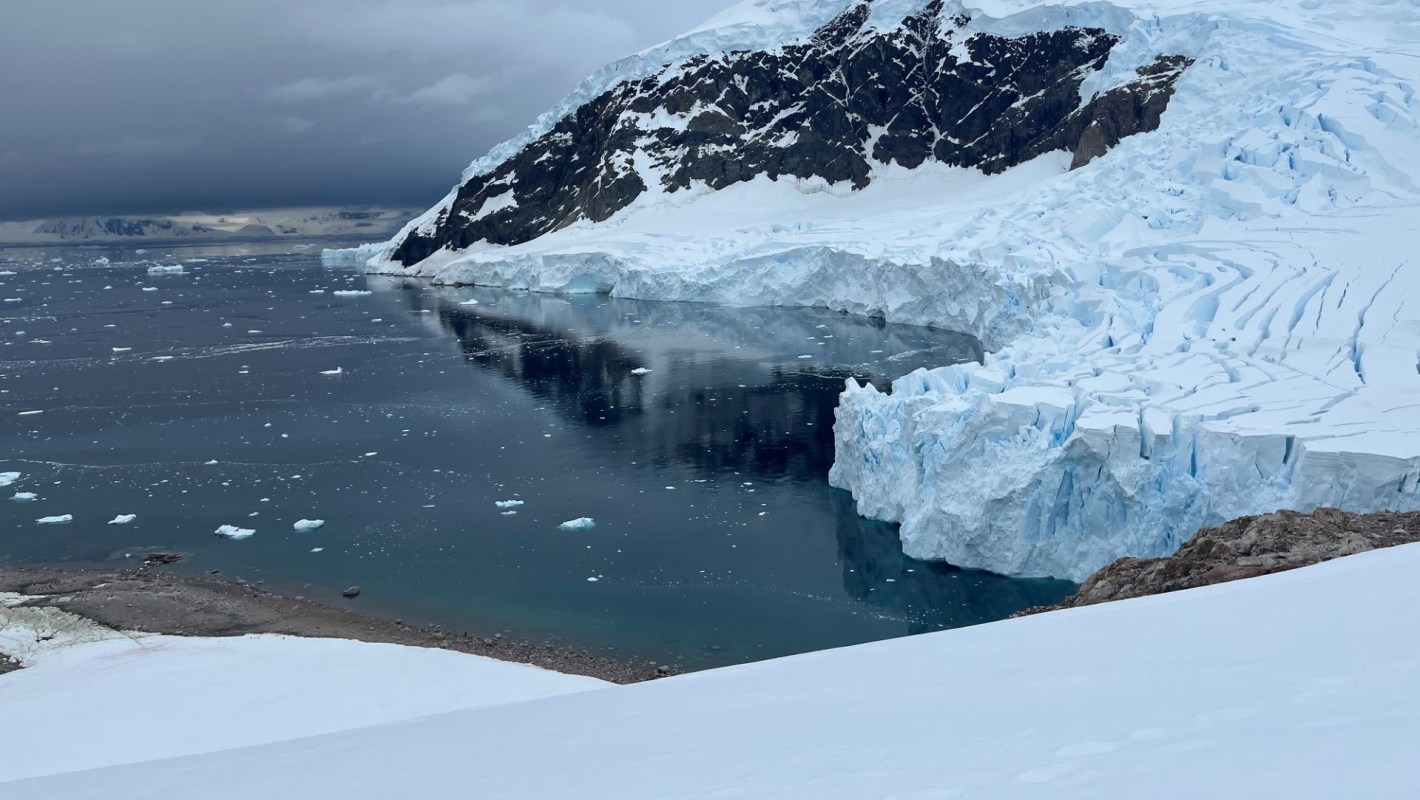
Numerous studies have demonstrated that rising temperatures are causing Arctic and Antarctic ice to melt. However, research suggests that another factor is contributing to polar ice melting at an even more alarming rate.
What's happening?
A research team from the Chinese Academy of Sciences has found that small organisms called snow algae are accelerating the surface melt of Antarctic ice shelves.
The study, published in the journal Scientific Reports, used satellite data to monitor microscopic algae, which grow on snow and ice in the Antarctic.
Because it is typically green or red, the algae makes the snow and ice surface darker, leading it to reflect less sunlight and absorb more heat, which in turn makes the ice melt faster.
"This creates a feedback loop," lead researcher Dong Liang said in a statement. "More algae means more melting, and more melting can create better conditions for algae to grow."
Algal blooms tend to appear early during the melt season, causing accelerated melting before peak temperatures are reached.
TCD Picks » Quince Spotlight
💡These best-sellers from Quince deliver affordable, sustainable luxury for all




Why is melting ice important?
As more heat-trapping, toxic pollution is released into our atmosphere, temperatures keep getting warmer. This has led to extreme heat waves and more frequent and severe weather events, such as hurricanes and tornadoes.
However, one of the most significant negative effects has been on our oceans. As temperatures become warmer, and as ice shelves and glaciers melt more rapidly, global sea levels have risen at a faster rate than ever before.
In 2024, they rose by nearly a quarter-inch, which was more than 30% higher than expected. Since satellites started tracking ocean heights in 1993, sea levels have risen by 4 inches, and the rate at which they are rising has more than doubled.
If this rate continues to intensify, experts warn that by 2100, sea levels could be up to 6.6 feet higher, which would threaten coastal communities around the world.
|
Do you think America does a good job of protecting its natural beauty? Click your choice to see results and speak your mind. |
 Definitely 👍
 What's being done about this?
Liang detailed in the report that he hopes researchers will take snow algae into account when modeling future Antarctic ice melt, giving us all a better picture of how sea levels will rise in coming years.
But even if that happens, we all need to take action to prevent temperatures from climbing even higher and to slow the rate at which these vital ice reserves melt.
That could come in the form of switching to renewable domestic energy or ditching a gas-guzzling car for an electric alternative, or it could involve voting for climate-conscious political candidates to ensure pollution-reducing policies are implemented.

Join our free newsletter for good news and useful tips, and don't miss this cool list of easy ways to help yourself while helping the planet.







