


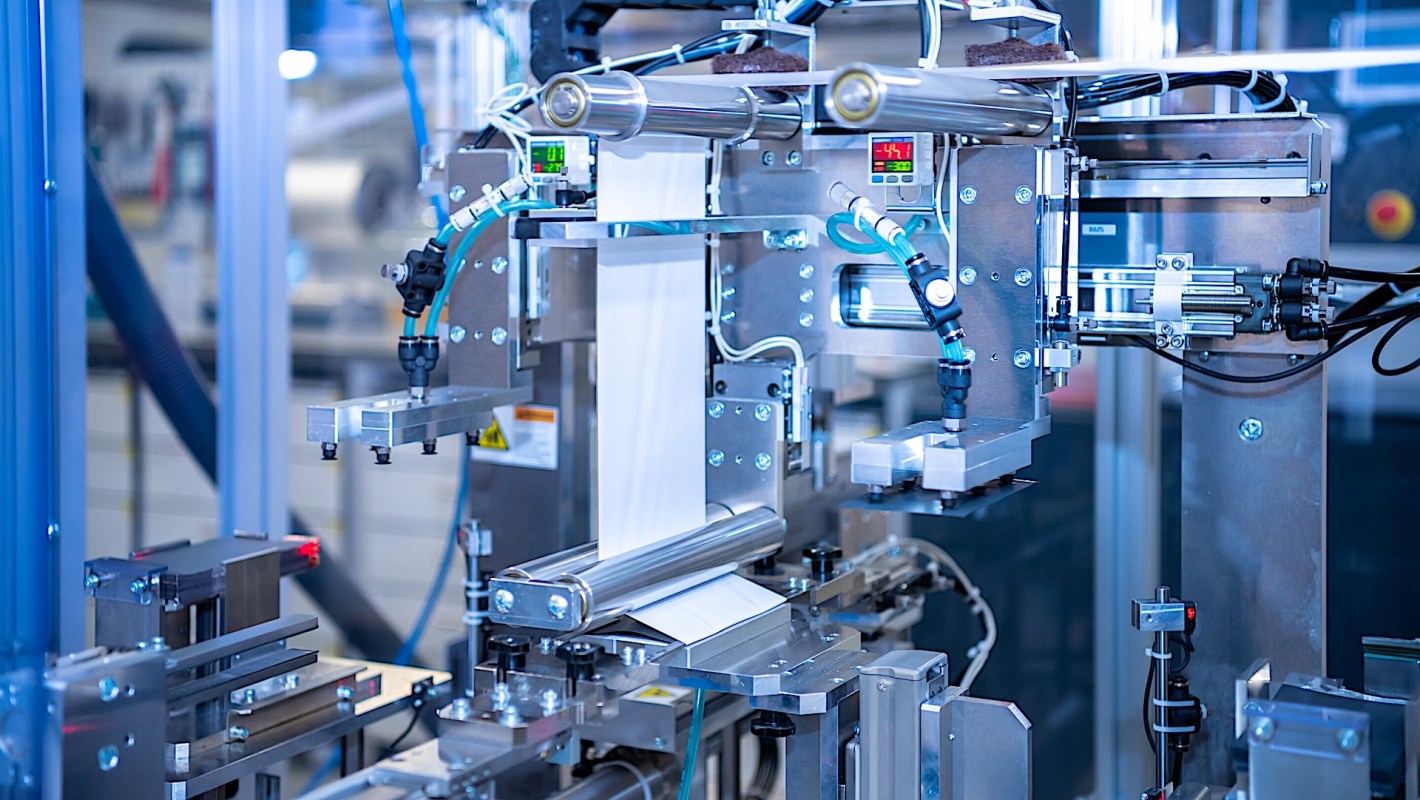
Scientists in Germany have developed a way to recycle electric vehicle battery components without using harmful chemicals, according to Tech Xplore.
The breakthrough addresses a massive challenge in battery manufacturing: how to recover valuable materials from production scraps without the use of dangerous solvents. Traditional battery recycling often depends on chemical processes that can harm workers and the environment.
This new approach uses mechanical mills to process battery cathodes made with a special plastic binder known as PTFE. The mills grind up the battery components and separate them from their metal backing, which preserves each material in its original form for immediate reuse.
Researchers at the University of Münster spent years creating this mechanical recycling technique. Their work focused on batteries manufactured through a newer production method that forgoes liquid solvents, using PTFE plastic as a binding agent instead.
The discovery could reshape battery manufacturing economics as we know them. When factories can recycle their production scraps without expensive chemical treatments, they cut costs and protect workers from exposure to hazardous substances.
These savings could reduce prices for electric vehicles and home energy storage systems.
TCD Picks » Quince Spotlight
💡These best-sellers from Quince deliver affordable, sustainable luxury for all




"The recycling can be successfully implemented and scaled up dry mechanically using mills," said Maike Michelle Gnutzmann, a doctoral student at the university's battery research center, per Tech Xplore. "Since the materials involved are not degraded by the recycling process, they can be directly reused."
This technology also addresses wider environmental problems.
When battery production waste gets dumped in landfills, harmful substances often seep into soil and public water supplies. By keeping these materials in use, manufacturers reduce demand for mining operations that often damage ecosystems and communities near extraction sites.
The financial analysis shows promising results for industrial adoption. Companies that implement this recycling method may enjoy immediate cost benefits and cleaner production standards.
|
What factor would be most important for you when buying an e-bike? Click your choice to see results and speak your mind. |
 Price 💰
 Battery manufacturers could begin to adopt this recycling technology within the next few years as facilities upgrade their production lines. The mechanical equipment required already exists in many industrial settings, which would make the transition more straightforward than installing entirely new chemical processing systems.
For consumers, these advances mean that future electric vehicles and home batteries could become more affordable as manufacturers reduce production waste and recover valuable materials.

Join our free newsletter for weekly updates on the latest innovations improving our lives and shaping our future, and don't miss this cool list of easy ways to help yourself while helping the planet.






