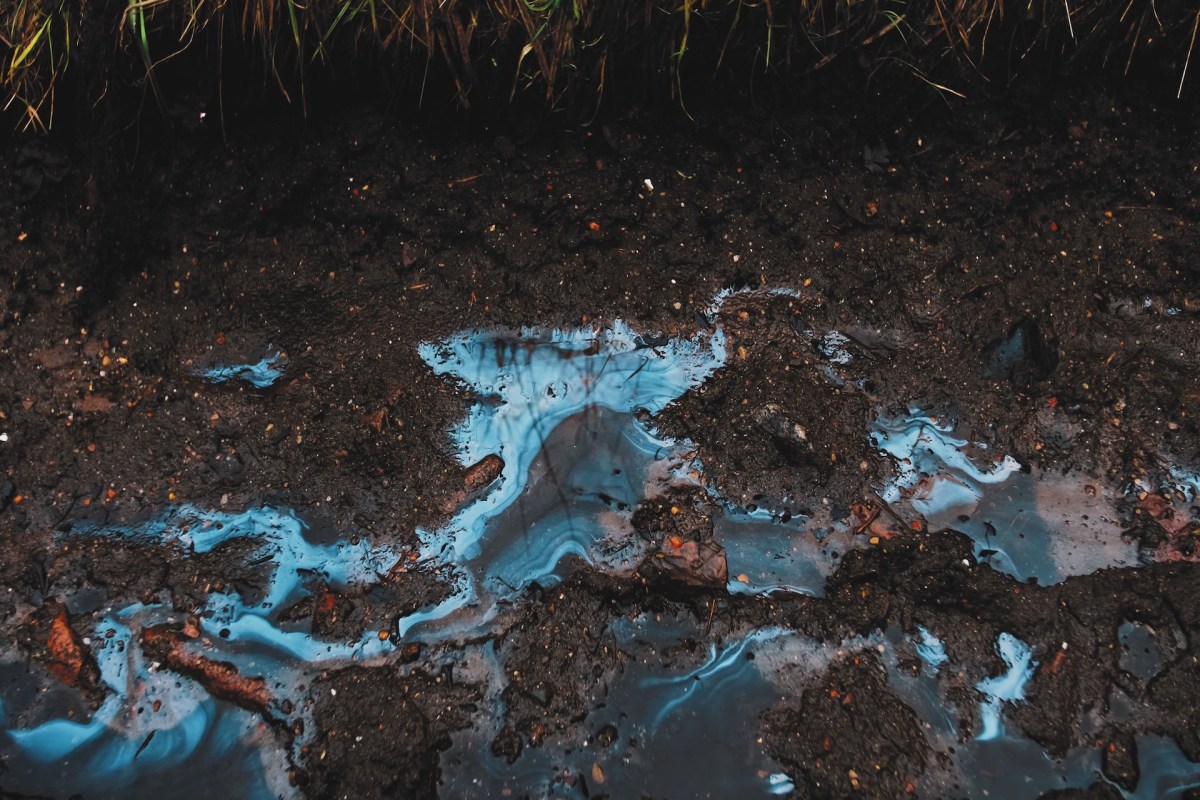
The Mesopotamian Marshes, an area of wetlands in southern Iraq, was designated a UNESCO World Heritage Site in 2016. It is a vital ecosystem for both wildlife and human communities, but the marshes are drying up as the country's lucrative oil industry claims an increasing share of their water.
What's happening?
The wetlands of Hawizeh are shrinking, endangering the region's biodiversity.
Um al-Nea'aj, a lake that used to be filled with wildlife, is now about half a meter (about 1.6 feet) deep, the Guardian reported.
"Two years ago, there were families and fishermen everywhere," Mustafa Hashim told the outlet. "You could hear laughter, the splash of fish. Today, there's nothing."
Vast amounts of oil rest beneath these now-shallow waters. The Majnoon oil field alone contains an estimated 38 billion barrels (or 1.596 trillion gallons) of oil. Iraq is the world's sixth-largest oil producer.
One major culprit behind the shrinking wetlands is the oil sector and the water-intensive processes involved in extraction.
TCD Picks » Good Store Spotlight
Get 10% off your next purchase with code TCD10


Another of the oil fields, the Halfaya, is so large that "it includes 300 wells, three oil-processing plants, a water-treatment facility, and its own airport to transport foreign workers between the site and international airports," according to the Guardian.
Beyond the oil industry's impacts, dams built upstream in Turkey and Iran have reduced water levels around the country.
Why is wetland conservation important?
Protecting wetlands is a critical measure to preserve the communities that rely on them.
For one, communities have been living alongside wetlands for thousands of years. The loss of marshes is a loss of culture and way of life. They also provide livelihoods for many through farming and eco-tourism.
TCD Picks » Quince Spotlight
💡These best-sellers from Quince deliver affordable, sustainable luxury for all




|
Do you think fracking should be illegal in America? Click your choice to see results and speak your mind. |
 Yes — everywhere 👏
 Wetlands are also vital to a variety of wildlife species and serve as a key habitat for bird migration every year. According to NASA, many species of mammals, birds, and fish from the region have either gone extinct or are considered threatened.
They also provide several environmental benefits for the region, including trapping carbon in the marshes' vegetation, offering flood hazard protection, and purifying water from pollutants through the wetland plant species.
What's being done about shrinking wetlands?
Many are realizing the threat to the marshes and working to preserve them. The area was designated a Wetland of International Importance by the Ramsar Convention in 2007.
Hashim Kasid, who lives in the region, used to be a fisherman, but he has retired his nets. While there used to be water filled with fish, he told the Guardian that there is now "not enough water to live."
As long as there is demand for dirty energy sources such as oil, environments like the Mesopotamian Marshes will be at risk.
Governments and nongovernmental organizations are banding together to protect this important ecosystem.

Join our free newsletter for good news and useful tips, and don't miss this cool list of easy ways to help yourself while helping the planet.