


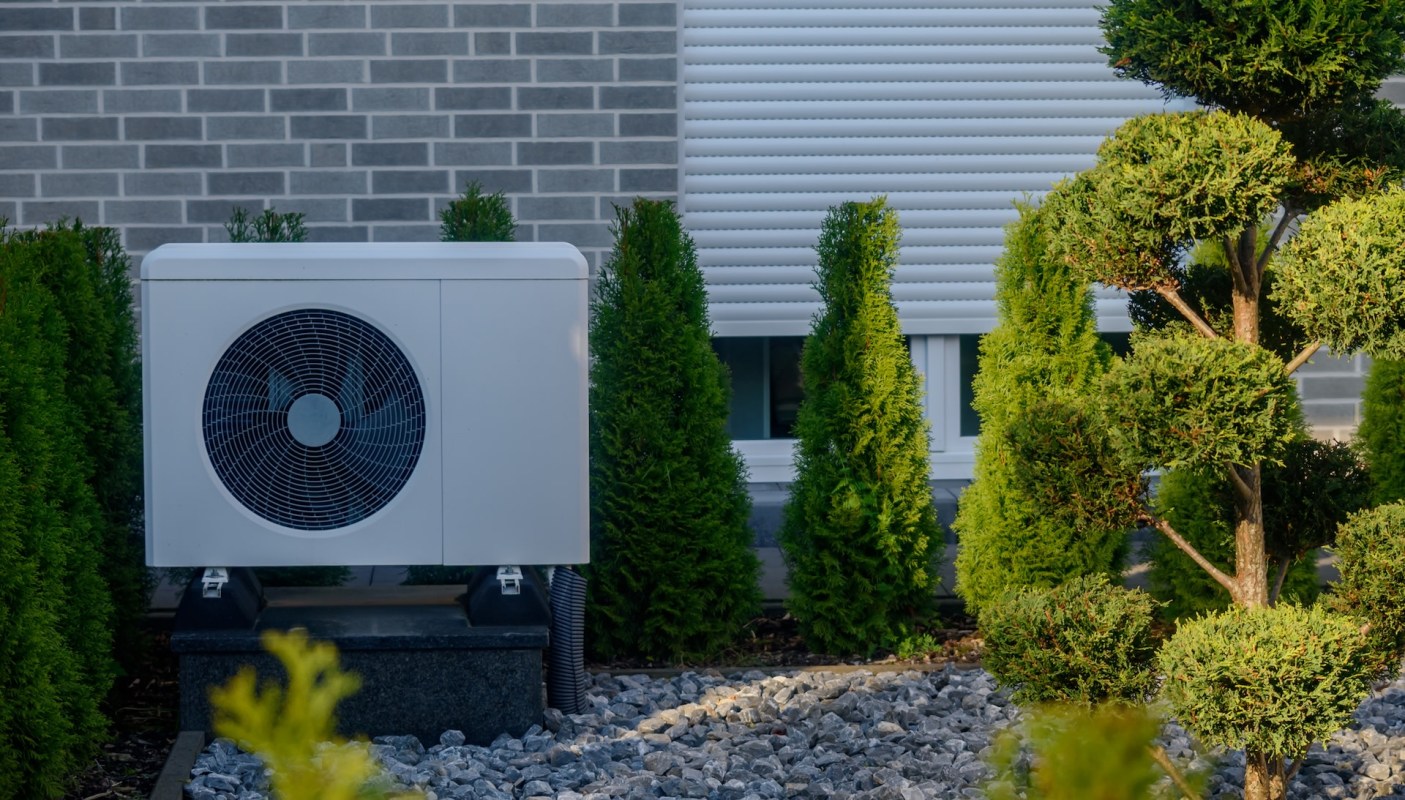
For years, heat pumps have been hailed as a cleaner, cheaper way to heat homes. Now, new research shows their potential is even bigger: industrial-scale versions could save tens of thousands of lives and cut trillions in health costs.
As Grist detailed, a report from the American Lung Association found that replacing 33,500 dirty-fuel-powered boilers in U.S. factories with electric heat pumps would prevent 77,200 premature deaths, 33 million asthma attacks, and more than 200,000 new asthma cases by 2050.
The move would also save $1.1 trillion in health-related expenses and avoid $351 billion in climate damages.
"By shifting to zero-emissions technologies that aren't burning fuel — but they're producing the same heat, steam, and boiling water that's needed to fulfill these manufacturing needs — we can see these massive public health benefits," Will Barrett, ALA's assistant vice president for nationwide clean air policy, explained to Grist.
Those harms come from pollutants like nitrogen oxides, sulfur oxides, and fine particulate matter (PM 2.5).
Nitrogen oxides inflame the lungs and help form ozone, a corrosive gas that Barrett likens to a sunburn on the inside of your airways. Sulfur oxides also attack the lungs and contribute to PM 2.5, which is small enough to slip into the bloodstream, raising risks of heart disease, stroke, and cancer.
TCD Picks » Quince Spotlight
💡These best-sellers from Quince deliver affordable, sustainable luxury for all




The warming climate is making the problem worse. Hotter days accelerate ozone formation, and wildfire smoke adds even more PM 2.5 into the air.
Research cited by Grist suggested that January's Los Angeles wildfires may have killed 15 times more people than the official toll, once deaths from smoke inhalation were included.
Against this backdrop, the switch to electric heat pumps looks even more powerful. By avoiding combustion altogether, they deliver the same heat and steam for industries without releasing toxic byproducts, offering immediate relief to surrounding neighborhoods — often lower-income communities already burdened with higher levels of pollution.
The ALA also estimated the change would cut 13 million missed school days and 3.4 million lost work days.
|
Do you think all new homes should use heat pump technology? Click your choice to see results and speak your mind. |
 Definitely 💯
 "My usual angle for heat pumps is always about the climate benefit — which is there, of course, and is a big part of the conversation," Gernot Wagner, a climate economist at the Columbia Business School, told Grist. "I think the big surprise, in many ways, is how big the health benefits truly are."
The technology may not be flashy, but momentum is building. As adoption increases, heat pump technology is becoming cheaper and more efficient.
States like New York, California, and Colorado are already offering funding to help factories make the switch, and stricter air-quality rules could push even more facilities to follow.
"The potential of the technology can't be understated," said Andrew Hoffmeister, a senior research analyst in the industrial program at the American Council for an Energy-Efficient Economy, per Grist.
"It's not some sexy, silver-bullet solution that's just been developed and is going to solve everything. It's a robust, well-documented technology."

Join our free newsletter for good news and useful tips, and don't miss this cool list of easy ways to help yourself while helping the planet.






