


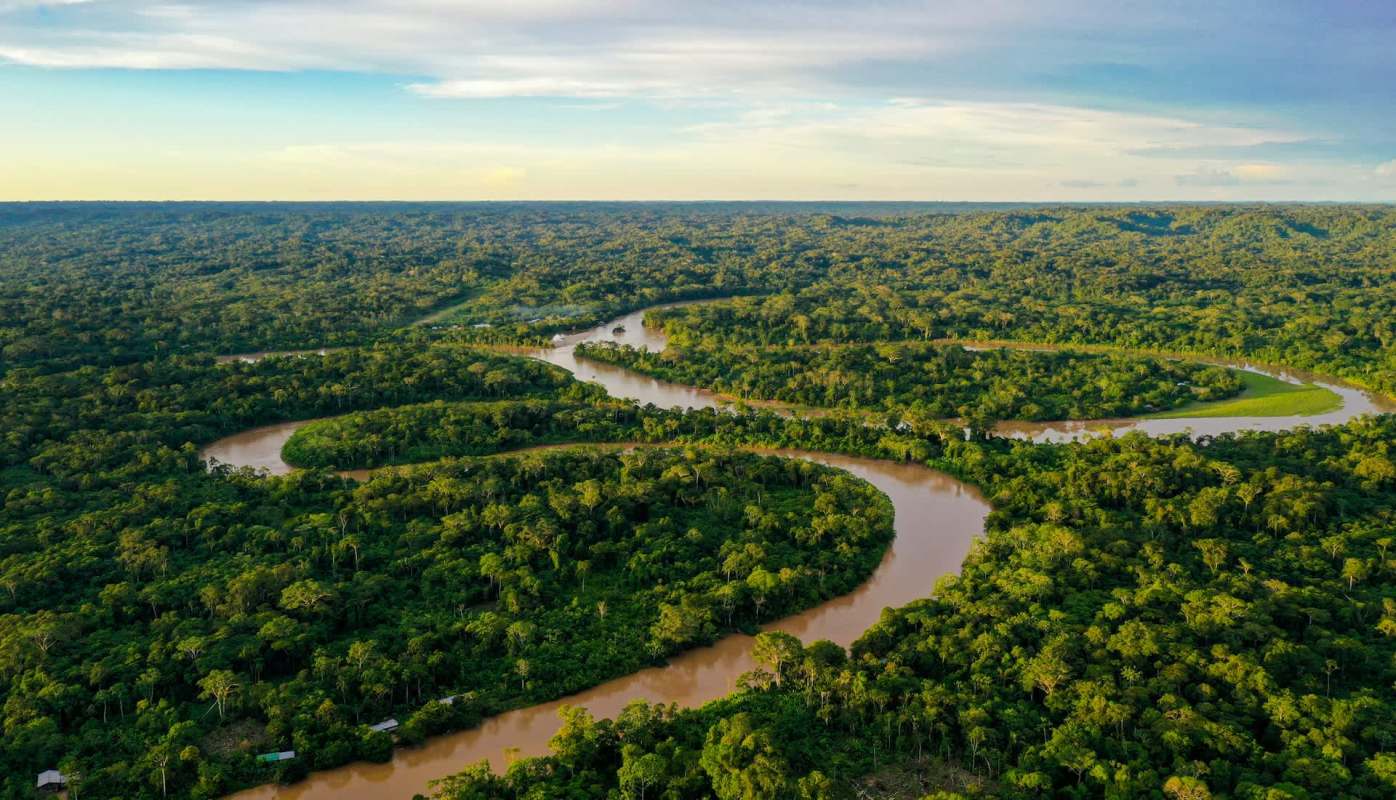
Brazil's antitrust regulator recently changed an anti-deforestation policy in a move that could bring back large-scale deforestation in the Amazon.
What's happening?
Mongabay recently shared the news about the suspension of the Amazon Soy Moratorium, a multi-sector agreement that has prohibited the purchase of soybeans grown in deforested areas in the Amazon since 2008.
The Administrative Council for Economic Defence made the decision after Brazil's Agriculture Committee filed a complaint claiming that the moratorium was unfairly restricting soy producers and hurting competition in the soy market, Valor International reported.
The council's website stated that it imposed preventive measures — essentially placing the moratorium on hold — while the investigation is ongoing.
Conservation groups warn that this move will speed up deforestation and curtail Brazil's environmental goals.
"Dismantling an effective, internationally recognized agreement built over nearly twenty years, in the name of unchecked deforestation, would be a shot in the foot," said Greenpeace Brazil forest coordinator Cristiane Mazzetti, per Mongabay.
TCD Picks » Quince Spotlight
💡These best-sellers from Quince deliver affordable, sustainable luxury for all




Why is the moratorium important?
The Amazon Soy Moratorium has effectively mitigated new deforestation for soybean cultivation. Prior to the moratorium, 30% of soy expansion happened through deforestation, as reported by Mongabay.
After the moratorium, the number dropped significantly. A recent report by the Brazilian Association of Vegetable Oil Industries noted that while the soybean area increased 4.5 times, only 4.4% of the expansion was linked to new deforestation.
The suspension of the moratorium could cost the Amazon dearly. It also threatens biodiversity and the communities that rely on the rainforest. Moreover, it damages the reputation of Brazilian soy in international markets, where there's more demand for responsible sourcing.
This mirrors other government decisions that have had serious environmental implications.
|
Do you think fracking should be illegal in America? Click your choice to see results and speak your mind. |
 Yes — everywhere 👏
 Amendments to sections of the U.S. Endangered Species Act could remove federal protections for gray wolves, potentially putting the species at risk. A new Indiana bill reduced protections for vulnerable wetlands, which may affect biodiversity and ecological resilience in the area.
What's being done about the issue?
Greenpeace Brazil and other groups are urging the government to reverse the suspension. Beyond the region, environmentalists are also pushing for policies that strengthen the protection and preservation of ecosystems.
Consumers hold influence, too. They can vote for pro-climate candidates and scrutinize bills to spot potential loopholes that may cause more harm than good, such as the policy on shark poaching.
Action from both policymakers and the public can bolster environmental safeguards, including preventing soy-driven deforestation from surging back.

Join our free newsletter for good news and useful tips, and don't miss this cool list of easy ways to help yourself while helping the planet.






