


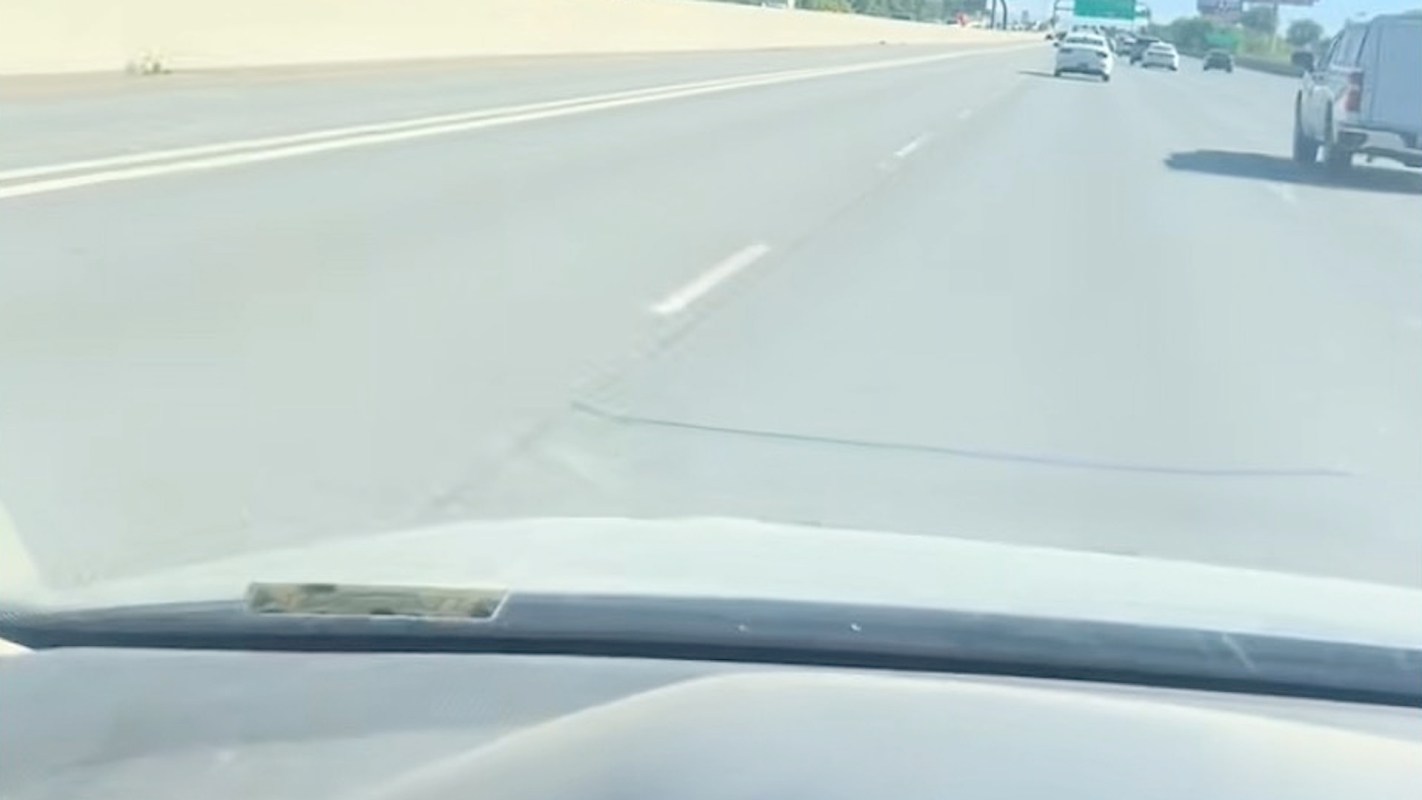
Driving down the highway one afternoon, one Utah resident was disgusted — although not altogether shocked — to see an enormous column of black smoke billowing out of an oil refinery tower.
Markus Henderson (@markus.henderson) shared a video of the sight on TikTok.
@markus.henderson Utah complains about air pollution but let's fuel companies do this multiple times weekly in our cities lol 😂 #utah #utahliving #utahbelike #utahcheck #polution #air #gas #storytime #didyouknow #ut #inversion #contribution #fuelindustry #oil #environment #dangerous #trusttheprocess #viral ♬ original sound - Markus Henderson
"Utah be like: 'We have bad air pollution, I wonder why?'" he says from behind the camera.
"Utah complains about air pollution but lets fuel companies do this multiple times weekly in our cities," Markus wrote in the caption.
The fire — and ensuing black smoke — in question is something called gas flaring. When oil refineries distill crude oil into gasoline, jet fuel, and other commercial products, the process generates a lot of natural gas. Flaring, a form of burning, is how the refineries get rid of the excess natural gas.
Refineries do this for several reasons, but namely because a natural gas buildup can pose a safety hazard and a risk of explosion.
TCD Picks » Quince Spotlight
💡These best-sellers from Quince deliver affordable, sustainable luxury for all




"Understand why they do this but from an emissions standpoint this is messed up," Markus wrote. "They crack down on the public for our emissions and vehicle pollution but look aside for multi billion dollar industries and let them poison the population with no consequences."
As it turns out, many policy advocates agree with him. The natural gas generated by oil refining is a perfectly usable fuel source that goes to waste when it's flared, World Bank Group has argued.
That's one of the reasons that then-WBG President Jim Yong Kim and then-Secretary General of the United Nations Ban Ki-moon launched the Zero Routine Flaring by 2030 initiative. It called for refineries to capture and sell their natural gas, or to reinject it back into the reservoir, rather than burning it.
Another motive behind the ZRF relates to air pollution and global heating. While flaring does effectively destroy several toxic compounds, its outputs into the atmosphere are far from neutral. Carbon dioxide and methane contribute to both short-term air pollution and long-term atmospheric warming, both of which pose major risks to the global population.
|
Do you think your city has good air quality? Click your choice to see results and speak your mind. |
 Definitely 🥰
 Fortunately, as the WBG noted, gas flaring has already decreased by 9% in the last three decades.
"Many oil field operators who flare associated gas, are making the investments necessary to reduce flaring. Many have also made the commitment to end routine flaring," the organization shared.
However, more work is going to be needed, and the more pressure that refineries feel from all angles — be it political, consumer, or industry — the faster they can change their pollutive processes and keep skies clear.

Join our free newsletter for good news and useful tips, and don't miss this cool list of easy ways to help yourself while helping the planet.






