


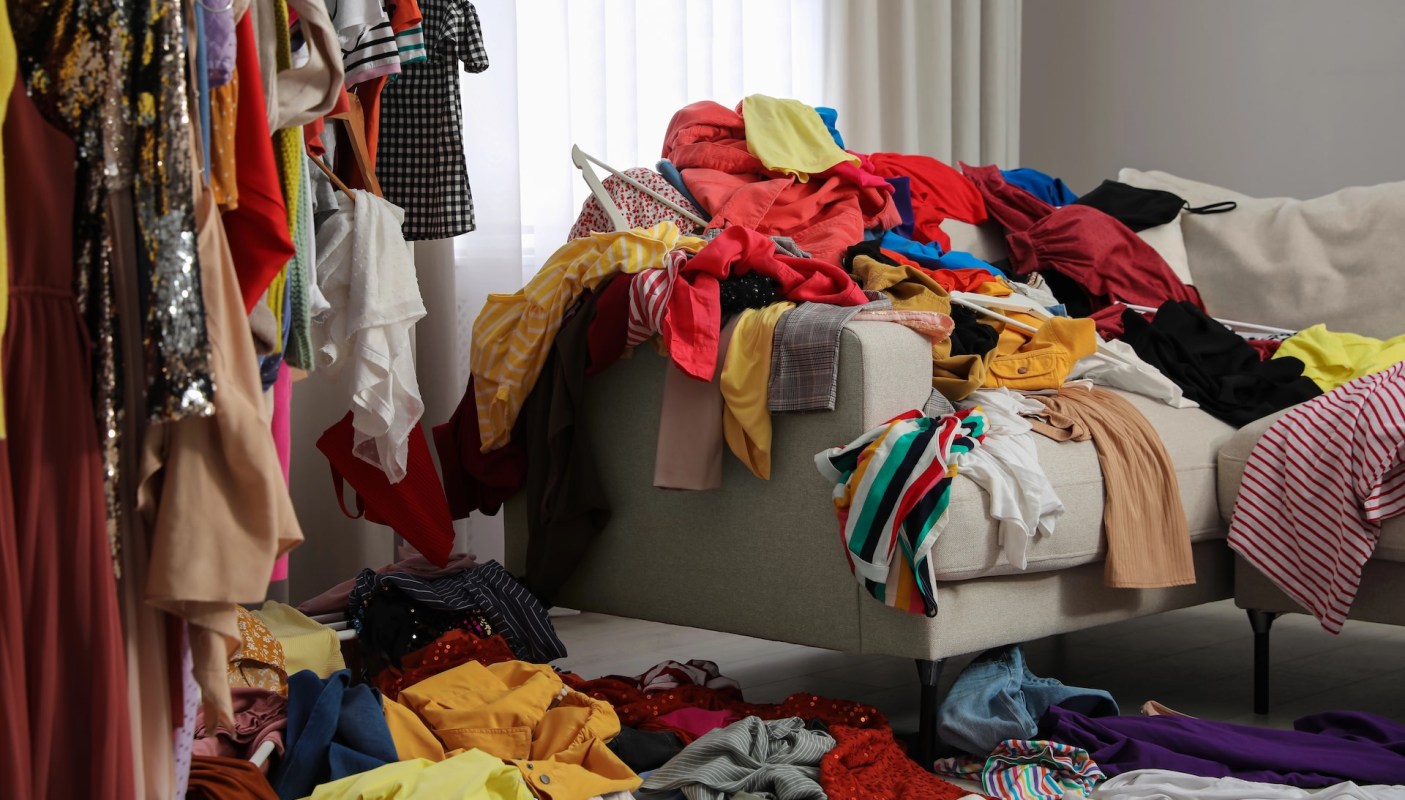
Fast fashion is a rapidly growing industry that is making a mark with global pollution. While the demand for cheap, quickly produced clothing is prevalent in the United States, the effects are starkly visible for locals in Kenya.
What's happening?
According to the Sierra Club, local fishers along the Nairobi River are "more likely to catch T-shirts than tilapia." The massive amounts of clothing are not just piling up in landfills — they are in waters and seriously impacting everyday life.
Any kind of waste, including textile waste, has to go somewhere. While the nonprofit environmental organization highlighted efforts across Africa to turn to regenerative or sustainable clothing options, fast fashion has already inundated the world.
The U.S. is the top exporter of used clothes, and much of it heads to Africa. While those who donate their used items instead of throwing them in the trash may think this is a worthy cause, the excessive amount of cheap items have to go somewhere.
Why is mounting textile waste concerning?
Fast fashion items, in particular, are typically made with cheap, plastic-based materials. This means, when littered, they can become microplastic pollution.
As a result, food and water supplies are exposed, with humans and wildlife likely to ingest the microplastics, which come with a plethora of health effects.
TCD Picks » Quince Spotlight
💡These best-sellers from Quince deliver affordable, sustainable luxury for all




"The fashion system was built to produce, market, sell, and then forget," Nathalie Naina of Africa Collect Textiles, an initiative to collect textile waste, told the Sierra Club. "No one is thinking about what happens after."
While sustainable clothing brands may feature high price tags because of the quality and effort put into items, the cost of continuing to buy cheap, plastic clothes is much higher. If excessive consumption continues, with buyers not giving a second thought to the unending lifecycle of fast fashion goods, the resulting waste will keep inundating wetlands across the world and cause a much larger issue.
What can I do about textile waste?
Supporting sustainable brands is a good place to start to avoid fast fashion. While countless brands have been found guilty of greenwashing, or parading eco-friendliness to promote their products, plenty of genuinely green companies are out there.
The Sierra Club highlighted The Revival and Maisha by Nisria as Africa-based brands to support.
Thrift shopping can be just as important, as it does not add items to the pile and gives unique, older things new lives.
|
Which of these factors would most effectively motivate you to recycle old clothes and electronics?
Click your choice to see results and speak your mind. |
 Giving me money back 💰
Join our free newsletter for good news and useful tips, and don't miss this cool list of easy ways to help yourself while helping the planet.






