


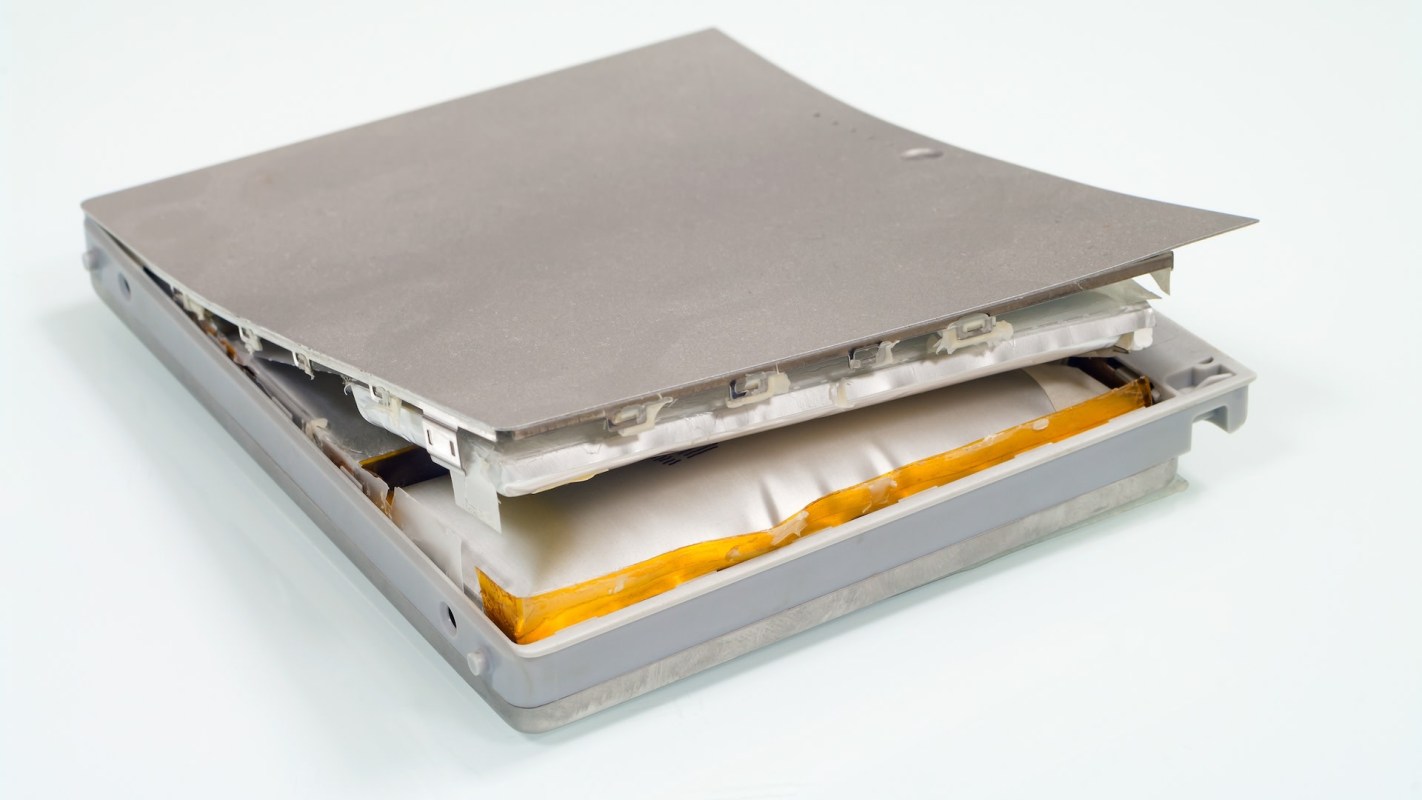
This common metal found in EV batteries is raising the risk of contamination during the recycling process.
Researchers from the Hong Kong University of Science and Technology have identified a barrier to effective lithium recycling.
Recycling lithium-ion EV batteries is a difficult process. Their complex construction, fume and fire risk, and high costs can make battery recycling impractical or impossible.
Effectively separating valuable metals, like cobalt, nickel, and aluminum, from the rest of the battery can further complicate the process. The research team specifically found that aluminum was "trigger[ing] the formation of ultra-stable aluminum–oxygen bonds, immobilizing valuable metals and suppressing the metals' leachability, making extraction more difficult," according to the university.
With a deeper understanding of the recycling process, researchers can develop more effective ways to safely and sustainably separate lithium from the rest of the battery.
"This [discovery] demands a paradigm shift in how we manage impurity pathways in battery-to-battery recovery," Professor Dan Tsang, lead of the research team, said.
TCD Picks » Quince Spotlight
💡These best-sellers from Quince deliver affordable, sustainable luxury for all




Proper lithium recycling brings us closer to a circular economy for EVs. Although electric vehicles are a greener choice than gas-powered vehicles, EVs aren't without an environmental impact.
Mining for metals and materials, fossil-fuel-powered manufacturing, and end-of-life waste are the biggest problems with EV production. Even so, an EV will eventually pay off this carbon debt — gas-powered cars won't.
Prioritizing reusing, recycling, and regenerating along the EV production process will not only make EVs less expensive for consumers but also reduce the production-related pollution and make EVs even more green.
Many researchers are working toward the same goal — lower cost, more effective, sustainable methods of recycling EV batteries.
|
What is your biggest concern with EV batteries?
Click your choice to see results and speak your mind. |
 They're not efficient enough ⚡
 EV batteries are being repurposed to store excess solar power in California, and if the battery holds enough capacity, reused as batteries for golf carts and scooters.
Recycling facilities dedicated to EV batteries are testing a variety of different recycling methods, from tribocatalysis to neutral leaching to hydrometallurgical upcycling.
The future is full of potential for EVs, and Tsang and his researchers know it.
"We're not just solving problems — we're reframing what efficient, climate-aligned battery recycling looks like," Tsang said.

Join our free newsletter for weekly updates on the latest innovations improving our lives and shaping our future, and don't miss this cool list of easy ways to help yourself while helping the planet.







