


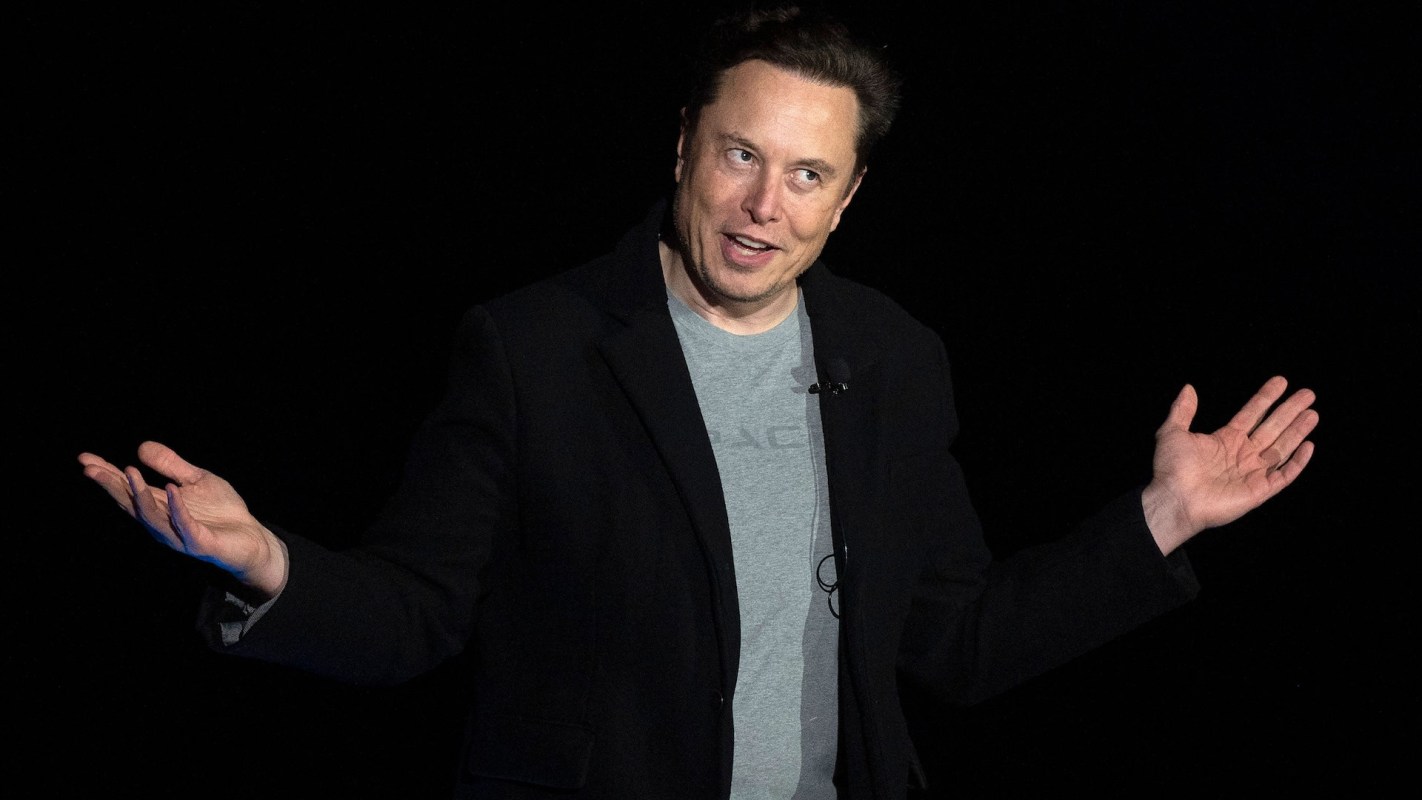
The fallout from Elon Musk's relatively brief yet controversial foray into politics continues.
A federal judge in Texas has rejected Musk's attempt to have the court toss out a proposed class action suit brought by an Arizona resident over Musk's pledge to randomly award $1 million per day to people who signed a petition in key battleground states, Newsweek reported.
Jacqueline McAferty, the lead plaintiff, has alleged that Musk and his America PAC induced people to sign the petition, which required that individuals hand over valuable personal data, by promising that the daily giveaway would be awarded randomly.
Instead, Musk's own lawyers admitted to a court in November that the so-called "winners" were not selected at random but were, in fact, individually selected paid spokespeople.
"The $1 million recipients are not chosen by chance," Chris Gober, a longtime lawyer for the GOP, told a Pennsylvania court in November, Newsweek reported at the time. "We know exactly who will be announced as the $1 million recipient today and tomorrow."
The admission came as Musk and his political action committee defended themselves against accusations of running an illegal lottery under Pennsylvania law.
TCD Picks » Quince Spotlight
💡These best-sellers from Quince deliver affordable, sustainable luxury for all




Those same admissions could now work against Musk, as he seeks to defend himself and his PAC against accusations that their explicit promises of a random lottery amounted to fraud.
"It is plausible that plaintiff justifiably relied on those statements to believe that defendants were objectively offering her the chance to enter a random lottery – even if that is not what they subjectively intended to do," wrote Robert Pitman, an Austin-based U.S. District Court judge, according to Reuters.
Experts have said that it is flatly illegal to promise the public a random lottery when the reality is that the selections are anything but random.
"You cannot lawfully lie to the public about conducting a random sweepstakes, lottery, or contest and then rig the results to hand-select the winners," Christopher Peterson, a University of Utah law professor, told NBC News in November.
"It really is not complicated," he continued. "This is just fraud; a simple, ugly fraud on the public."
|
Should the government ban gas stoves? Click your choice to see results and speak your mind. |
 Yes 💯
Yes 💯 The lawsuit was just the latest controversy for the embattled Tesla CEO.
In August, a jury ordered Tesla to pay $240 million in damages after finding that the company's Autopilot self-driving feature was responsible for a fatal 2019 crash.
Additionally, investors have formally asked Nasdaq to investigate the propriety of a recent $29 billion pay package that the Tesla board of directors awarded to Musk.

Join our free newsletter for good news and useful tips, and don't miss this cool list of easy ways to help yourself while helping the planet.






