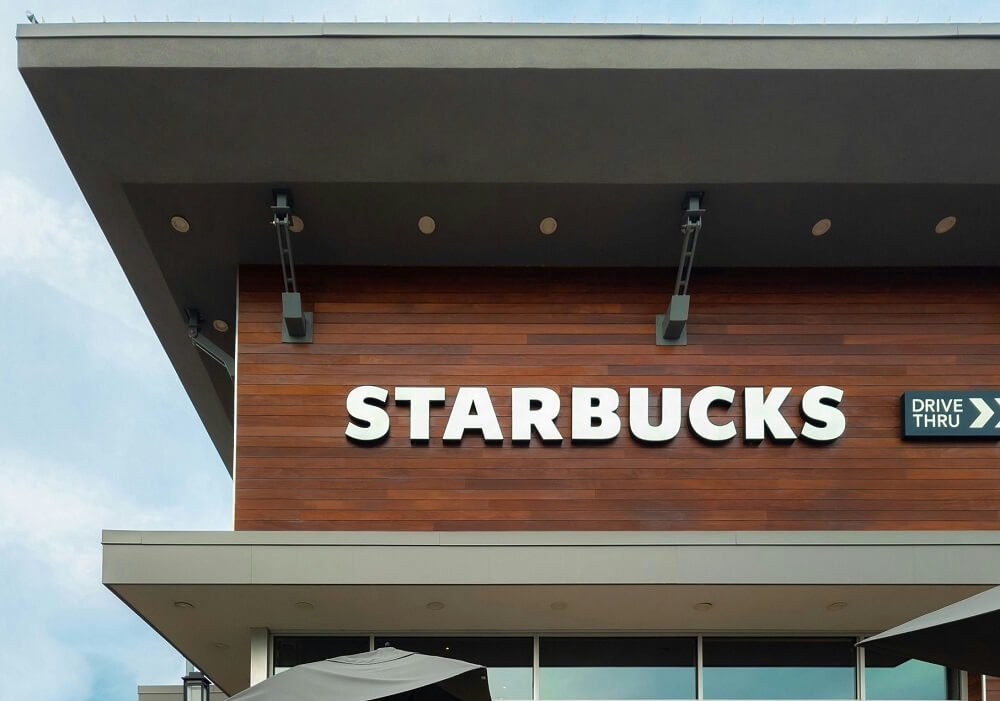
A new Starbucks drive-thru proposed for one of the busiest streets in Schenectady, New York, has sparked pushback from locals who say it would make the city less walkable and more car-dependent.
What's happening?
As CBS 6 Albany reported, the Schenectady Residents for Responsible Development group is circulating an online petition urging a rehearing on the Erie Boulevard Starbucks project.
City officials and Metroplex's vice president of economic development have interpreted the zoning ordinance to allow drive-thrus, but critics say the public should have had a voice in the decision.
Erie Boulevard already sees an average of 16,000 vehicles daily, and state data predicts that number could double with further development.
"If we have more drive-thru restaurants, then the city will basically be for cars and not for people on foot," petition organizer Daniel Flynn told CBS 6 Albany.
Why is walkability important?
Advocates say the decision risks eroding walkability. When cities lose walkability, the environmental cost is significant.
TCD Picks » EDF Spotlight
💡EDF's Vital Signs newsletter delivers stories about game-changing solutions close to home and around the world


More residents are forced to rely on cars for even short trips, which drives up planet-warming pollution, worsens air quality, and increases traffic congestion.
Paved surfaces and sprawling development also reduce green space, limit urban tree cover, and intensify the urban heat island effect, making cities hotter and less resilient to rising global temperatures.
Over time, this shift away from pedestrian-friendly design locks communities into a cycle of higher energy use and green space loss.
|
How do you feel about public transportation options near you? Click your choice to see results and speak your mind. |
 Fantastic 😎
 What's being done about walkability?
Residents are rallying community support ahead of the next Board of Zoning Appeals meeting. Petition organizers say they're not opposed to Starbucks itself, but they want a version without the drive-thru.
TCD Picks » Quince Spotlight
💡These best-sellers from Quince deliver affordable, sustainable luxury for all




Starbucks has taken steps toward reducing its footprint, like expanding its use of reusable ceramic mugs in certain stores and piloting cup-return programs. But the company has also drawn criticism, such as for its CEO's private jet use and a recycling program that fell short of promises.
Local activists now have an opportunity to push for a design that fits both the city's economic goals and its walkable vision, proving that taking local action can make large corporations adapt to community needs instead of the other way around.

Join our free newsletter for good news and useful tips, and don't miss this cool list of easy ways to help yourself while helping the planet.