


This natural wonder sits at the top of many bucket lists, and the privileged few who achieve the monumental task of even attempting to summit Mount Everest tend to leave much more than footprints in the snow. But finally, technology has led to a promising solution for the sky-high peak's trash problem.
"It's often called the 'world's highest garbage dump,'" according to a Reuters report. "Some estimate 50 metric tons of trash remain on Mount Everest due to decades of climbing and lax regulations."
This moniker is sadly accurate, as has been accounted for in many personal stories of hiking Everest. Jon Krakauer recalled organizing trash cleanup efforts in his book, "Into Thin Air."
Each hiker "generates, on average, around 8 kilograms (18 pounds) of trash, and the majority of this waste gets left on the mountain," said National Geographic. "The slopes are littered with discarded empty oxygen canisters, abandoned tents, food containers, and even human feces. … That waste is trashing the natural environment, and it poses a serious health risk to everyone who lives in the Everest watershed."
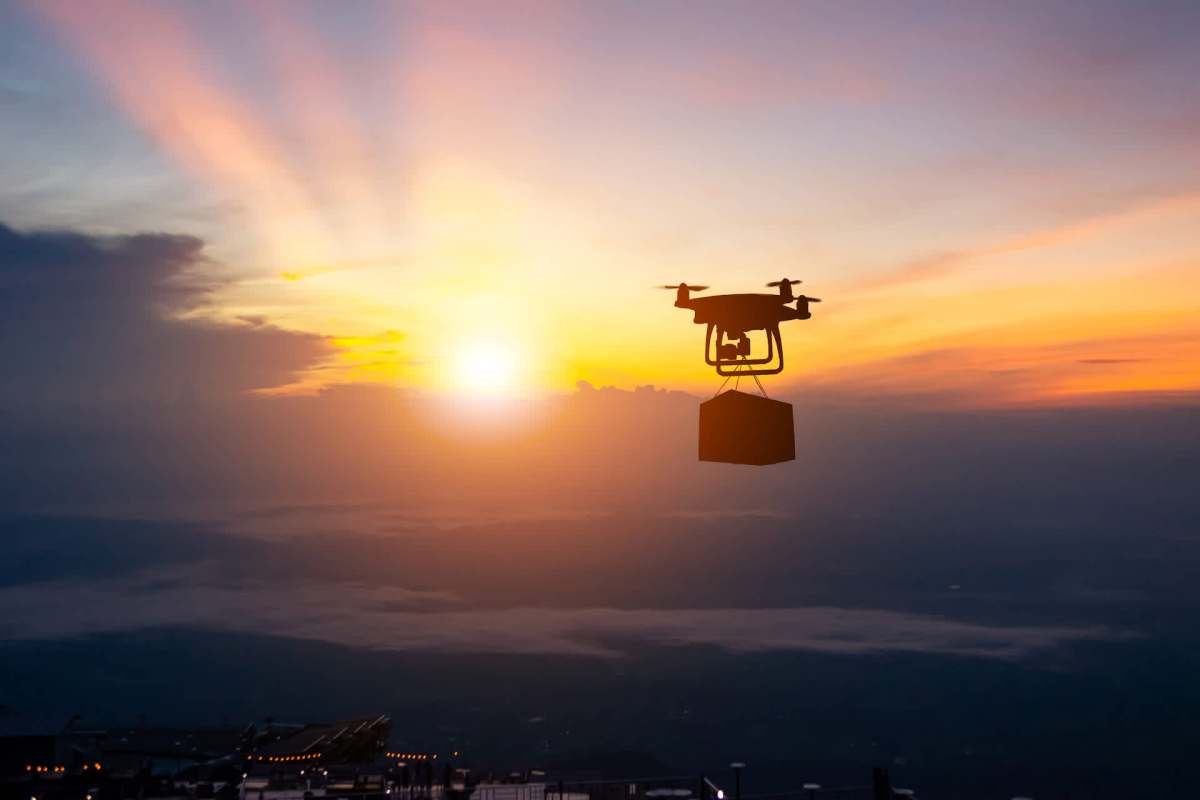
But local companies have designed a clever solution to tackle multiple issues faced by the 600 or so climbers who attempt the mountain each season. "Nepal-based Airlift Technology is addressing this crisis by deploying drones to deliver supplies up the mountain and then remove waste on the way down," reported GMA.
"From Base Camp to Camp 1, it takes seven to nine hours for climbers to reach. And our drone can reach over there within three minutes," Milan Pandey, Airlift Technology co-founder, said.
TCD Picks » Quince Spotlight
💡These best-sellers from Quince deliver affordable, sustainable luxury for all




"It is humanly impossible to bring all the trash down by cutting through the Khumbu Icefall to the South Col. … These drones by Airlift Technology [are] very innovative in a way that it also save people's lives and it makes it easier for everyone to bring down the trash," said Nepalese mountaineer Nima Rinji Sherpa, per GMA.
Everest straddles the border of Nepal and China in Sagarmatha National Park. The park was established in 1976 and became a UNESCO World Heritage site in 1979, but today, the area's 100,000 annual visitors put a major strain on the natural environment.
"Carry in, carry out" and "Leave No Trace" philosophies are commonplace rules for regular day hikers or backpackers, but on Everest, where an extra pound of weight can be the difference between life and death, these rules are often ignored. Additionally, so much of the trek is above the particularly perilous Khumbu Icefall, as Rinji Sherpa said, that cleanup completed by hikers is essentially impossible.
While efforts are being made to encourage hikers to carry out their trash — for example, each hiker pays the Nepalese government a $4,000 deposit, returned only if they bring down 18 pounds of waste — extra cleanup is required.
"Airlift Technology hopes drones will provide a new tool in efforts to tackle the mountain's trash scourge," said GMA.
|
Should taxpayers help pay to clean up the Great Pacific Garbage Patch?
Click your choice to see results and speak your mind. |
 We should pay for all of it 👍
Join our free newsletter for good news and useful tips, and don't miss this cool list of easy ways to help yourself while helping the planet.







