


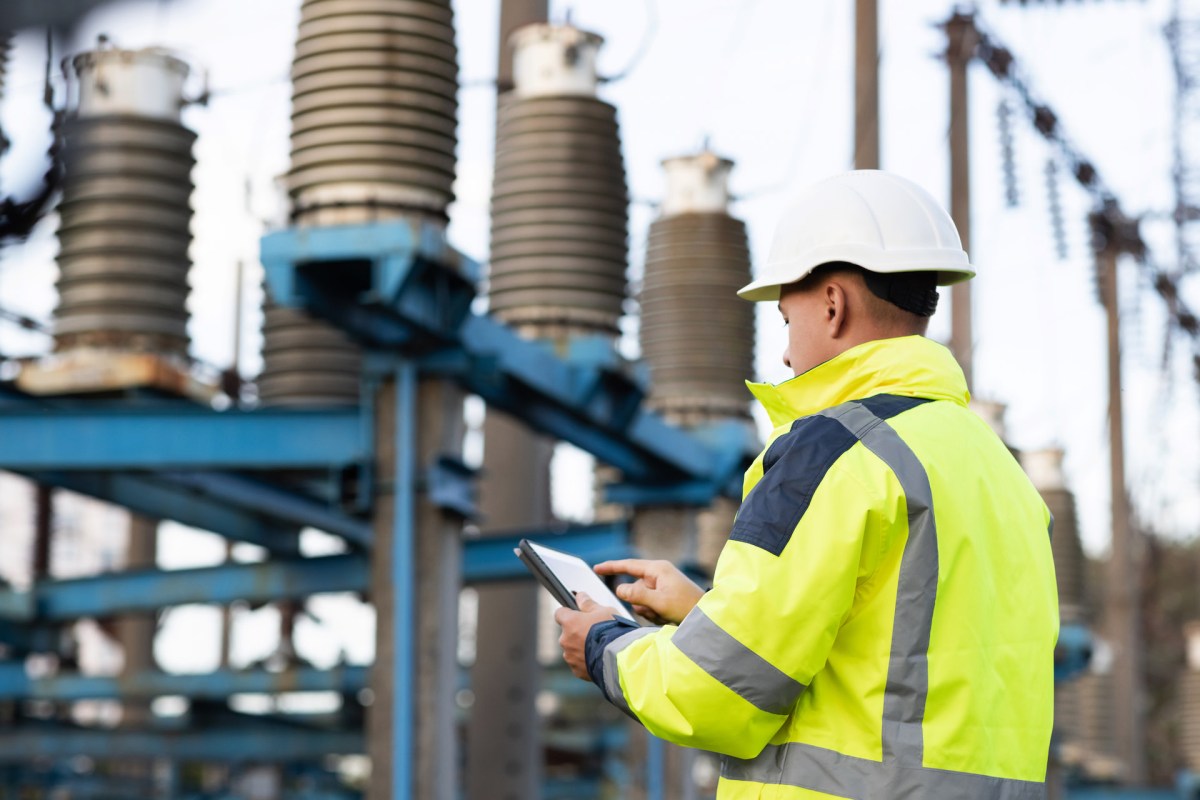
Scientists are getting even closer to unlocking the full potential of hydrogen power with a new fuel cell design that can stand up to extreme heat and humidity, according to Tech Xplore. The breakthrough could help stabilize the modern power grid as it supports cleaner energy sources, like solar and wind.
Developed by a team of researchers from West Virginia University, the fuel cell can store and make electricity — the primary perk of fuel cells. But this new design can withstand the long-term heat and steam required for power generation that most can't do. It could help power systems move away from polluting fossil fuels, which are major contributors to heart and lung health issues.
The development and testing of the new fuel cell were detailed in Nature Energy. Ultimately, the team was able to run the fuel cell for 5,000 hours at 600 degrees Celsius, or more than 1,100 degrees Fahrenheit. That far surpasses previous fuel cells, which researcher Xingbo Liu said previously ran stably for a maximum of 1,833 hours.
"This is how we achieve balance in a power grid that's evolving to incorporate intermittent, sustainable sources of energy," explained Liu.
The U.S. grid is incorporating cleaner energy, which could account for 93% of power plant construction in 2025. But with more renewable energy on the grid comes a mismatch between energy supply and demand. Solar and wind, for example, don't produce energy on a fixed schedule because sunshine and wind aren't constant.
That's why hydrogen energy from fuel cells is important. Hydrogen can store excess energy produced by these methods for long periods, keeping it available during lower generation times. Fuel cells can switch between producing and storing energy to smooth out those fluctuations. That's why they work so well with solar panels, which need support to power homes after dark.
TCD Picks » Quince Spotlight
💡These best-sellers from Quince deliver affordable, sustainable luxury for all




This technology will be essential for a clean, reliable, and affordable grid as more variable renewable power comes online.
"We showed that it's possible to make, on a large scale, CCS [carbon capture and storage] fuel cells that will stay strong and stable under intense conditions," said Hanchen Tian, the WVU team's lead researcher. This makes it promising for scaling, potentially supporting a cleaner power grid in the future.
|
Do you think our power grid needs to be upgraded? Click your choice to see results and speak your mind. |
 Definitely 👍
Join our free newsletter for weekly updates on the latest innovations improving our lives and shaping our future, and don't miss this cool list of easy ways to help yourself while helping the planet.






