


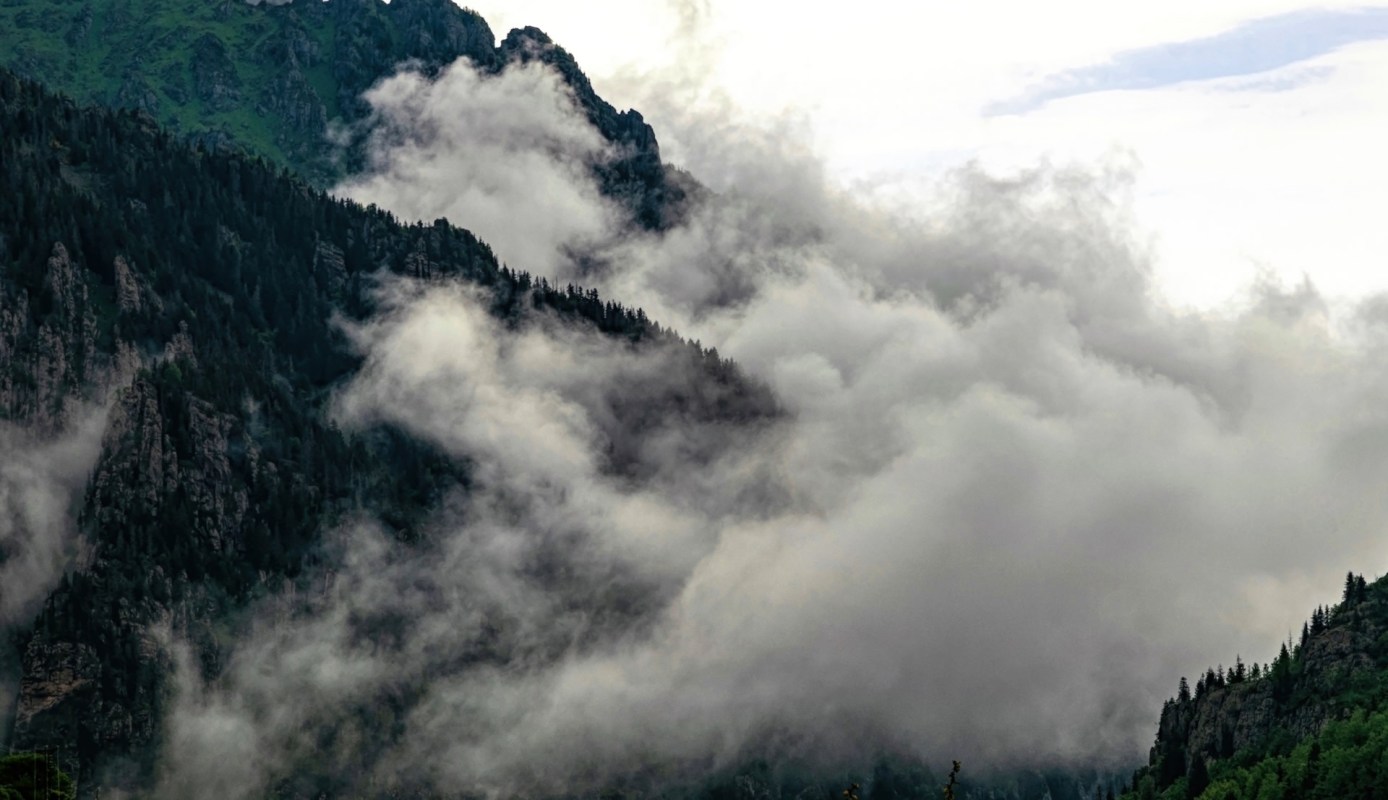
Experts are warning people about a growing problem in the Alps: rockfall.
What's happening?
As global temperatures rise, permafrost in the Alps is thawing and posing a threat to high-altitude hikers, according to a report from RTL Today.
Usually a frozen soil, permafrost acts like glue to hold rocks and whole mountain faces together. When it deteriorates, rocks can become unstable and even detach from steep slopes.
This phenomenon is called rockfall, and it can have fatal consequences — hikers have died after being struck or losing their footing on loose rock.
Why is melting permafrost concerning?
From the wildfires that tore through Los Angeles to flash floods in Russia, every corner of the Earth has felt the impacts of rising temperatures.
The Alps are no different, as warming weather has melted essential terrain and shrunk glaciers, causing mountains to come apart.
TCD Picks » Quince Spotlight
💡These best-sellers from Quince deliver affordable, sustainable luxury for all




Glaciologist Andreas Bauder told RTL Today that glacial ice volume in the Swiss Alps has decreased by a third in the past 25 years. This has made the alpine environment more fragile and therefore more dangerous for hikers and for residents living in the valleys below. A landslide in May brought destruction down upon a village in Switzerland as a glacier collapsed.
Glacier melt in the Alps has also put water security at risk for billions of people. Many communities rely on consistent runoff from the Alps for drinking water and agricultural needs.
The loss of glaciers is driving sea levels to rise worldwide as well.
What's being done about melting permafrost and glaciers?
For visitors to the Alps, scientist Robert Kenner told RTL Today that hiking earlier in the day may be safer. With temperatures typically cooler in the mornings, the ground is often more stable then. It is also best to avoid hiking during a heat wave or temperature spike due to increased rockfall risks.
|
Do you think America does a good job of protecting its natural beauty? Click your choice to see results and speak your mind. |
 Definitely 👍
 Earth has always experienced periods of warmer and cooler weather. But scientists now agree that human activities tied to the burning of fossil fuels have caused temperatures to rapidly and dramatically rise.
Individuals and communities can take important steps to reduce the pollution trapping heat on our planet. But effectively addressing glacier and permafrost loss will ultimately require global commitments to transition to clean, renewable energy at scale.

Join our free newsletter for good news and useful tips, and don't miss this cool list of easy ways to help yourself while helping the planet.







