


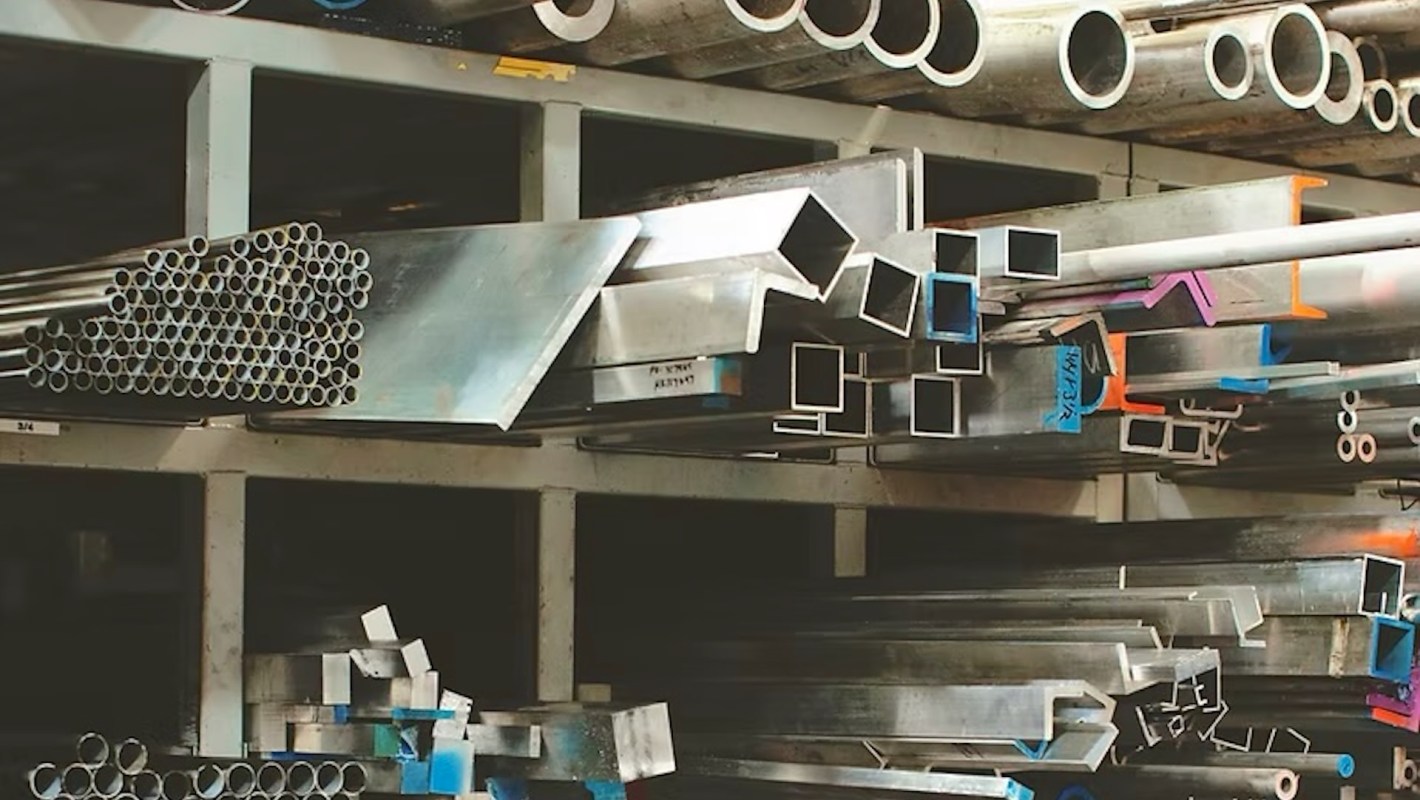
Steel has been an important construction material since the 19th century.
A team from the University of Birmingham and University of Cambridge, along with Chetwood Architects, is making it more sustainable by enabling the reuse of steel at large scales.
The resulting RESTOR project won the Delivering Sustainability with Digital Innovation category at the Digital Construction Awards, Construction Management reported.
The project seeks to address all the pain points of reusing steel, including by building confidence in the repurposed material by better understanding its properties.
"Used steel members are scanned and digitally modelled to create digital twins, which are then assessed for structural integrity," according to Construction Management. "This data feeds a machine-learning algorithm that predicts performance and suitability for reuse."
A digital twin is a virtual representation of a physical entity that can be constantly monitored and analyzed and offer predictions based on updated information from its physical "twin."
In the RESTOR project, those in the construction industry can access a catalogue of available steel elements for reuse, incorporating these pieces into the design stage as part of the plan instead of creating a design and seeing if any steel exists to fit the specifications.
The research team anticipates that steel reuse rates will rise from 15% to 50%.
This is a major benefit for global sustainability goals. According to Science, about 2 billion tons of steel are produced around the world every year, contributing about 7% of polluting gas emissions. A large amount of this heat-trapping pollution comes from burning coal, a dirty energy source, in blast furnaces to produce the steel.
Recycling steel also saves resources. The Florida Institute of Technology notes that recycling 1 ton of steel saves 2,500 pounds of iron ore, 1,000 pounds of coal, and 40 pounds of limestone.
TCD Picks » Quince Spotlight
💡These best-sellers from Quince deliver affordable, sustainable luxury for all




|
Should the government continue to give tax incentives for energy-efficient home upgrades? Click your choice to see results and speak your mind. |
 Absolutely 💯
 Reusing steel also means less mining. Scrap City writes that recycled steel can reduce mining waste, such as toxic mine tailings, by 97%. It also requires 60-75% less energy to manufacture.
Many are excited for this innovation not only for its potential to move us toward a more sustainable future, but also for its usability within the construction sector.
The judges at the Digital Construction Awards described the RESTOR project as "a set of tools that are very much needed to ensure the reuse of steel sections."

Join our free newsletter for weekly updates on the latest innovations improving our lives and shaping our future, and don't miss this cool list of easy ways to help yourself while helping the planet.
Cool Picks





