


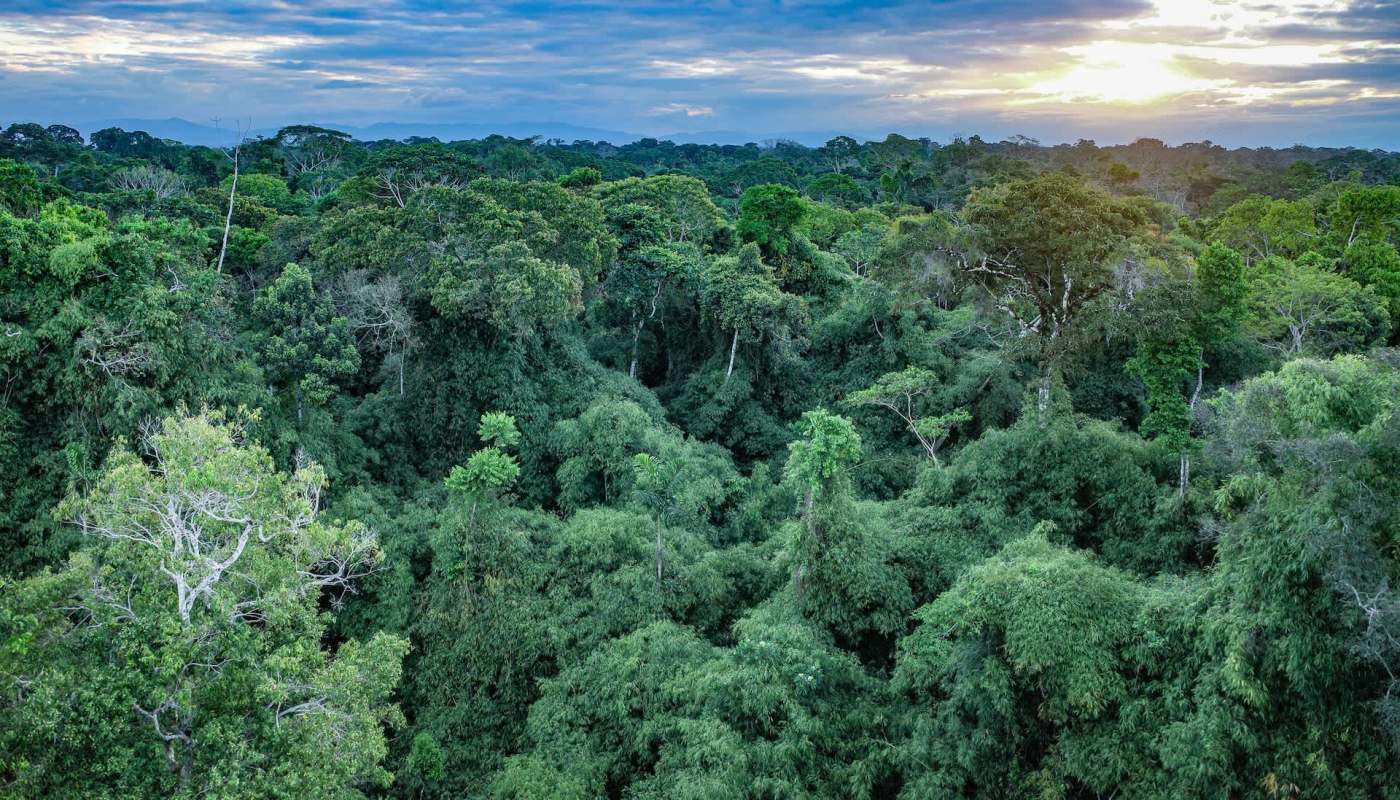
Trail cameras installed high above ground have captured the surprising results of an ambitious scheme to reconnect isolated wildlife in the rainforests of Peru.
As an article by IFL Science reports, a joint venture between the World Wildlife Fund Peru and HP Inc. installed treetop canopy bridges to allow arboreal species to move freely around the forest. Cameras were installed to observe how well the various tree-dwelling species reacted to the bridges. Vania Tejeda of WWF Peru said:
"What we're doing right now is piloting and testing different kinds of bridges and distinct designs to see which are preferred by different species."
The researchers found that animals took to bridges quite differently. Kinkajous, a sociable procyonidae (raccoon-like) with the adorable epithet "honey bear" for its penchant for the sticky treat, prefer canopies with additional support of crisscrossing lines. Monkeys, on the other hand, did better with mesh netting but were much more hesitant to use them in the first place. Cameras found the primates took months to adjust to the setup, while kinkajous and dwarf porcupines showed no hesitation.
The idea behind the scheme is quite similar to under- and overpass crossings that allow animals to traverse highways safely, but high above ground, and for a fraction of the cost. An overpass can cost millions, but a canopy bridge can be installed for just $200. If a habitat becomes isolated, it creates isolated populations that lack genetic diversity. Additionally, it harms the ecosystem by curbing seed dispersal. The bridges offer a cost-effective solution to the problem caused by human encroachment, but the project is still in its early stages.
The partnership of HP and WWF Peru is a good example of an eco-friendly initiative by a household name worth backing. However, it's always important to retain a healthy degree of skepticism when a company touts its green credentials, as the actions of its owners often undermine that message.
TCD Picks » Quince Spotlight
💡These best-sellers from Quince deliver affordable, sustainable luxury for all




For experts like Tejeda, the project could provide the framework for future conservation policy in the rainforest.
"People have to understand not only what we're doing here, but why we're doing it," Tejada told WWF Peru. "That's how you change minds."
|
Do you think America does a good job of protecting its natural beauty? Click your choice to see results and speak your mind. |
 Definitely 👍
Join our free newsletter for good news and useful tips, and don't miss this cool list of easy ways to help yourself while helping the planet.







