


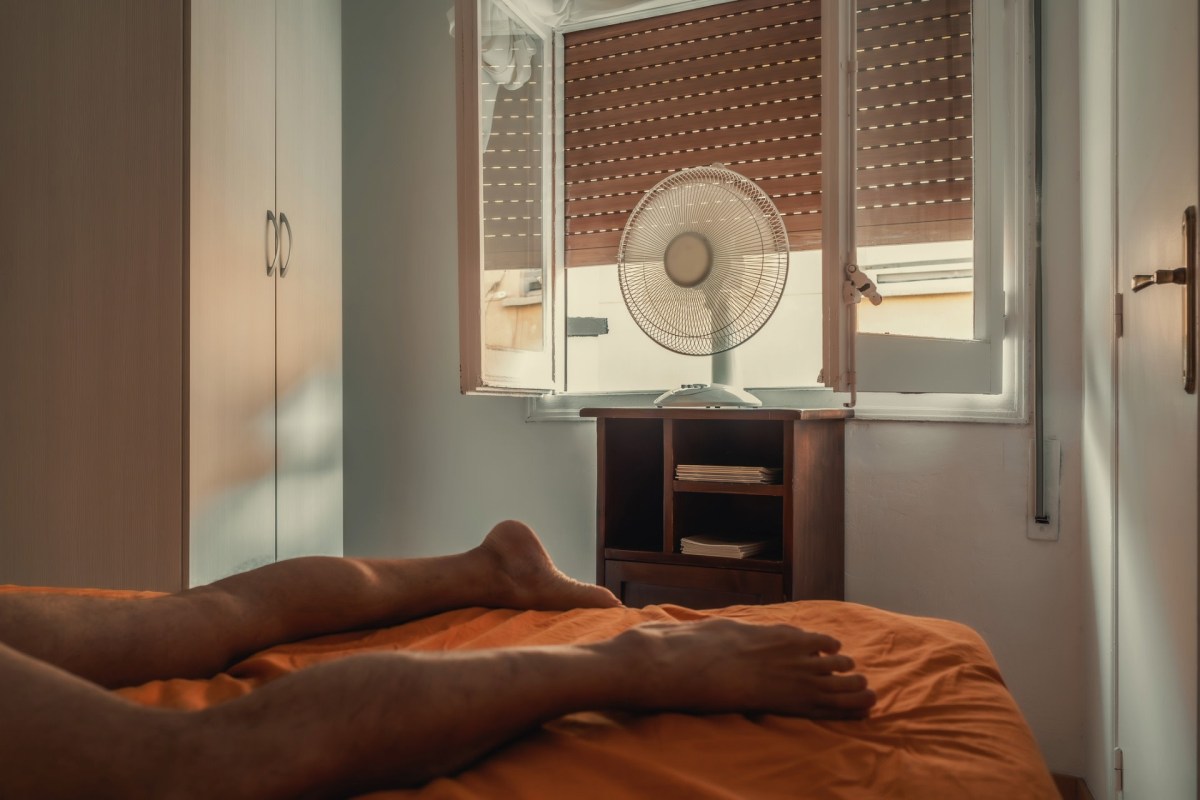
New research has concluded that heat — and likely the global temperature increase — is a major factor in boosting the risks and impacts of sleep apnea.
What's happening?
The study found that the chance of experiencing sleep apnea overnight was about 45% higher for a given night at about 81 degrees Fahrenheit (27.3 degrees Celsius) versus one at nearly 44 F (6.4 C). Plus, the likelihood of having severe sleep apnea shot up by 40% at the higher temperature, as NPR reported in a summary of the research.
The study also estimated some burdens of the increasingly common sleep disorder. It estimated that the warming-related rise in obstructive sleep apnea in 2023 was, collectively, "associated with a loss of over 780,000 healthy life years and 105 million workplace productivity days across 29 countries, resulting in an estimated economic cost of ~98 billion United States dollars."
Why is the impact of rising temperatures on sleep disorders concerning?
Sleep apnea is a serious sleep disorder in which breathing repeatedly starts and stops. An estimated 1 billion adults have this sleep-disrupting problem, according to NPR.
Boost your mood and stay focused with these plant-powered party alternatives TribeTokes offers a wide selection of plant-powered CBD products that leave you feeling good the next morning. Unlike alcohol, which suppresses your central nervous system, CBD products are shown to reduce anxiety, promote calmness, and enhance focus without any psychoactive effects. Plus, all TribeTokes products are third-party lab tested, made with clean ingredients, and ship to your door. And this St. Patty's Day, get 20% off sitewide using code POTOFGREEN. Limited-time only. Learn more → |

Sara Mednick is a sleep expert and neuroscientist at the University of California, Irvine. She told the news organization that the cumulative impacts of bad sleep are broader than just feeling tired.
In fact, the long-term effects of sleep loss and sleep disorders have been linked to increased risks of hypertension, diabetes, obesity, depression, heart attack, and stroke.
"It's a whole global problem that we need to really think about," said Mednick, who was not involved with the study.
The problem is only expected to get worse as the overheating planet drives higher temperatures across the globe.
This new study adds to a growing body of research about the effects of the warming world on sleep patterns. For instance, one report found that people worldwide lost 5% more sleep hours over the past five years than they did in the late 1980s and early 2000s. And two studies in Europe showed that rising global temperatures are impacting animals' sleep habits as well.
What's being done about rising global temperatures?
One expert told NPR that people's best bet is to keep temperatures down while they sleep by using air conditioning and fans. However, many people across the globe don't have access to cooling, another expert said.
|
Do you worry about having toxic forever chemicals in your home?
Click your choice to see results and speak your mind. |
 Majorly 😥
 That's one reason cities are looking for new ways to cool down. For instance, Los Angeles and Phoenix are applying a light-colored paint to some city streets to help reflect the sun's rays and lower temperatures.
Meanwhile, cutting the amount of dirty energy we use can help curb the most extreme consequences of the overheating planet. For instance, integrating rooftop solar can save money on energy bills without contributing to rising global temperatures.

Join our free newsletter for weekly updates on the latest innovations improving our lives and shaping our future, and don't miss this cool list of easy ways to help yourself while helping the planet.






