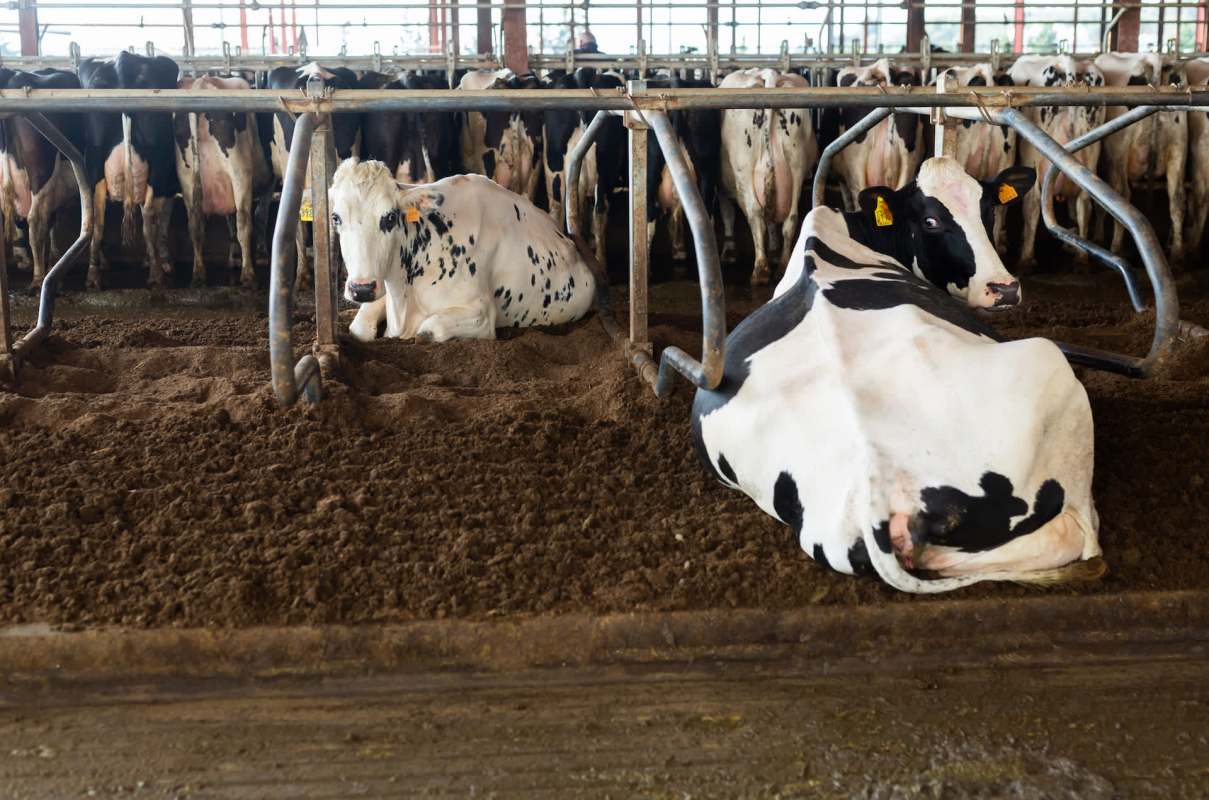
A group of British researchers believes it can make a lot of dirty manure a lot cleaner — and help farming become greener in the process.
The researchers, Triple Pundit reported, are working on a project that would convert manure into a high-performing fertilizer while separating and capturing carbon dioxide. This could not only reduce the agriculture sector's high rate of pollution but also make better use of the nutrients that exist within manure and can help crops grow. The initiative is known as Nutrient Utilization and Recovery Through Supercritical Extraction (NURSE).
"There's this massive stream of wet, contaminated organic waste that's polluting water and emitting greenhouse gases, and it's also full of valuable nutrients," Kairos Carbon CEO Megha Raghavan, one of the project partners, told Triple Pundit. "We saw an opportunity to tackle all those problems at once."
Over the last 30-plus years, agriculture has been one of the four largest sectors globally when it comes to planet-warming pollution.
Research has found that manure is the second-biggest source of planet-warming gases on dairy farms, in particular methane. Fertilizer, meanwhile, is another large producer of pollution after being laid on farmland, especially synthetic fertilizer.
One common type of fertilizer, known as sewage sludge, has been found to leach "forever chemicals" into the environment, threatening farmers, livestock, and anyone who consumes their products.
TCD Picks » Good Store Spotlight
Get 10% off your next purchase with code TCD10


NURSE aims to stop that by using Kairos Carbon's cutting-edge hydrothermal technology. Raghavan's company converts carbon from waste into carbon dioxide, which can then be captured and safely stored underground, preventing it from being released into the atmosphere.
The process also creates valuable byproducts, which can be turned into nutrient-rich fertilizer that doesn't leach into groundwater, making it a cost-effective, high-performing solution for farmers.
The company is currently building a pilot facility to test its processes and performance, and to see if the fertilizer it produces can be sold at a fair price to farmers.
If it works, the technology could scale quickly across agriculture and spread into other waste-filled sectors, such as wastewater and municipal waste.
"There's a window right now to shift from a linear, extract-and-dump economy to a circular one where we recover value and close the loop," Raghavan told Triple Pundit. "This is one of those rare opportunities where climate action, resource recovery, and economic logic all align."
|
Do you think sewage pollution is a major problem in America? Click your choice to see results and speak your mind. |
 Yes 👍
Yes 👍 
Join our free newsletter for weekly updates on the latest innovations improving our lives and shaping our future, and don't miss this cool list of easy ways to help yourself while helping the planet.