


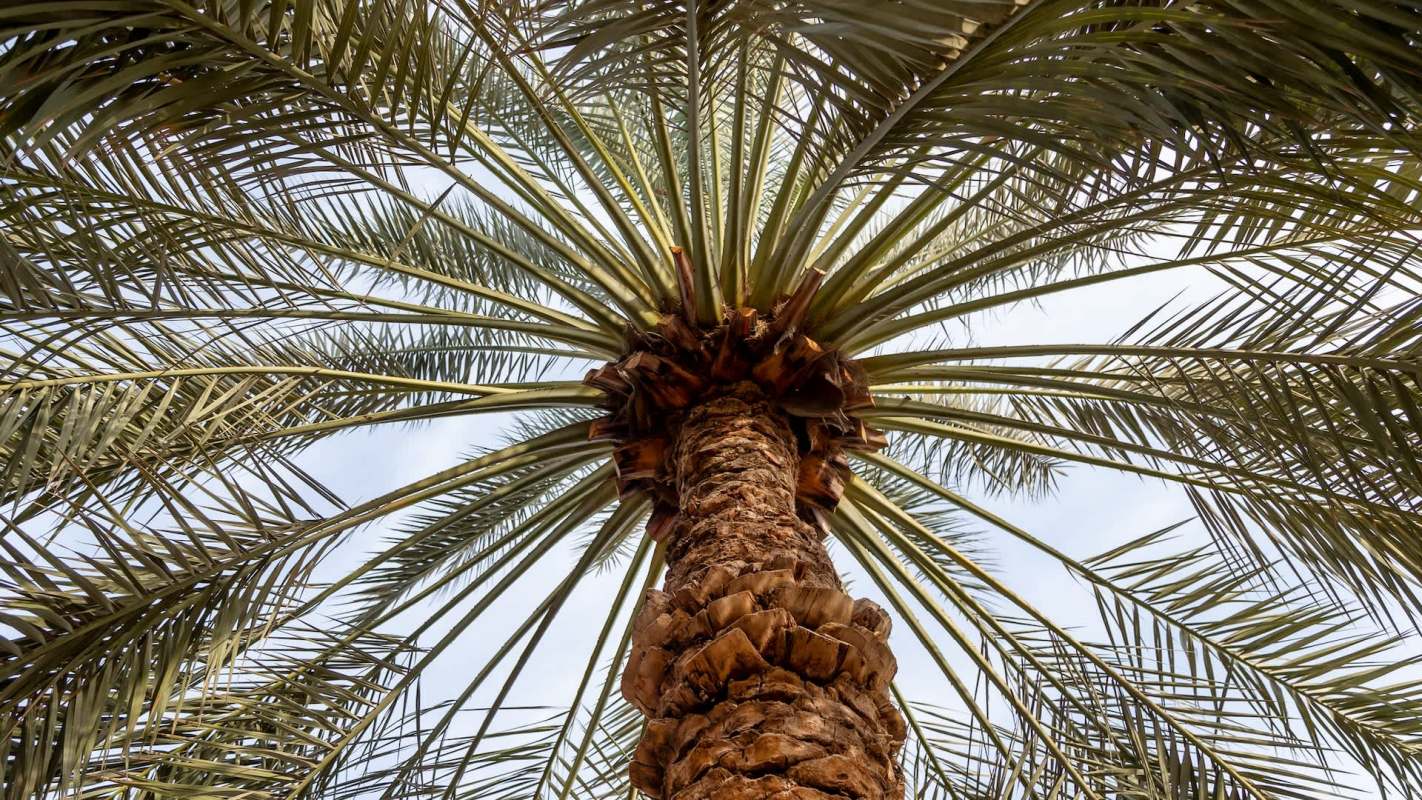
A new biocomposite made up of desert palm waste has just been developed out of the United Arab Emirates, according to Construction Week Online.
The UAE produces 500,000 tons of palm waste annually, and researchers at the Technology Innovation Institute are using it to produce a material called Eco-Wall.
According to the researchers, Eco-Wall is a sustainable building material that can be endlessly shaped into everything from tiles and flooring to full-scale facades. It can be added to existing buildings or used in new construction.
Incredibly, it is said to be three times stronger in compression and uses seven times less water than cement. And since all it requires is palm waste to create, it can basically be created locally around the world.
When discussing climate change and warming global temperatures, much emphasis is placed on our individual responsibilities. Can we use less plastic? Should we make the switch to an electric vehicle?
And while these are extremely important topics, the truth is that for any meaningful change to occur, global industry also needs to make significant changes. One such industry is construction. It is estimated that four billion tons of carbon dioxide is released into the air by concrete alone each year.
TCD Picks » Quince Spotlight
💡These best-sellers from Quince deliver affordable, sustainable luxury for all




That is why it is so exciting when technological innovations make a future with less concrete seem viable.
This is incredible news for our planet. Ultimately, the costs of construction would go down if less cement is used because the time it takes to create the biocomposite is less than making cement bricks. And it will mean a cooler, calmer planet as harmful emissions driving increasing temperatures by the construction industry should decrease tremendously.
And this is only the latest incredibly clever use of plants to tackle harmful environmental practices.
Researchers out of the Oak Ridge National Laboratory developed lightweight automotive parts using banana trees. Meanwhile, a tech startup in London is using plants to try to make plastics. Another U.K.-based company is using bark packaging as an alternative to plastic.
Now that the testing phase is complete, the researchers at the Technology Innovation Institute are preparing for real-world pilot deployments and looking for partners within the industry.
|
What factor would be most important for you when buying an e-bike? Click your choice to see results and speak your mind. |
 Price 💰
Join our free newsletter for weekly updates on the latest innovations improving our lives and shaping our future, and don't miss this cool list of easy ways to help yourself while helping the planet.







