


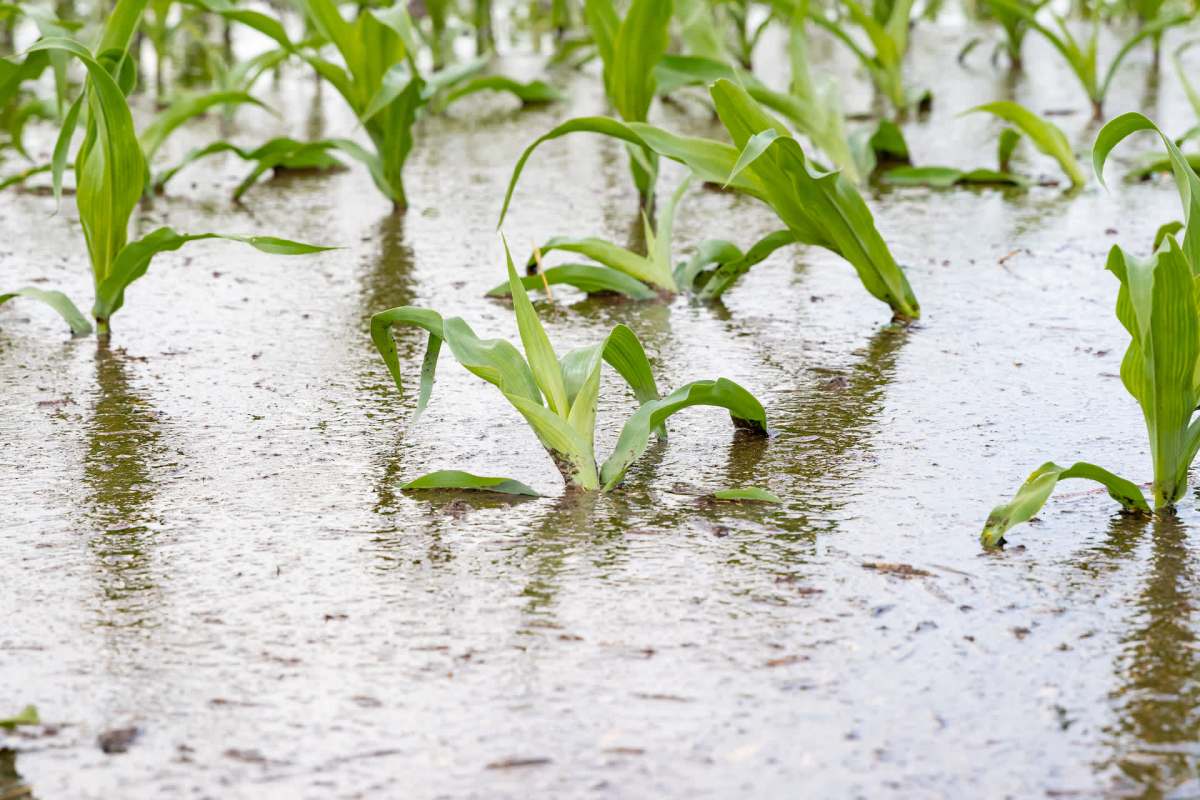
Kenya's food production is at risk due to wild shifts in climate, according to the Daily Nation.
What's happening?
Heavy rain, frost, and hailstorms ravaged crops in Kenya in 2023, and farmers are still trying to recover. Since then, many locals have been relying on government food relief programs.
Government officials have been doing their best to advise farmers on how to improve yields despite chaotic weather patterns.
"Maize and beans that are already planted by the time the rains arrive have a higher chance of surviving harsh weather spells," said agricultural officer Anthony Wangai, per the Daily Nation. "They will have established strong roots, making them more resilient to drought. With the current weather patterns, even a difference of one week can determine a crop's success."
Such thin margins have resulted in rising prices for staple foods in Kenya, such as potatoes, and are affecting livestock feed supplies.
Why is food production important?
The weather patterns disrupting agriculture are being exacerbated by increasing atmospheric pollution. Floods and droughts not only pose challenges for food supplies but also put housing at risk.
TCD Picks » Quince Spotlight
💡These best-sellers from Quince deliver affordable, sustainable luxury for all




As yields diminish and food prices rise, climate immigration also increases, straining infrastructure and resources in neighboring areas.
What's being done about food production?
Growing your own food is a near-term solution for easing reliance on unstable supplies, but the long-term fix to commercial output will have to include reducing emissions to ease extreme weather swings.
There is one interim solution that some experts are advocating for.
"With climate change bringing unpredictable and extreme weather, agroforestry is the solution in both dry and cold areas," said Joshua Kabiri, per the Daily Nation. "Trees can reduce the impact of frost and hailstorms, regulate temperature fluctuations, and prevent frost formation. In cases of excessive rainfall, trees help by absorbing and storing water, then releasing it during dry spells."
|
Do you worry about air pollution in your town? Click your choice to see results and speak your mind. |
 All the time 💯
Join our free newsletter for easy tips to save more and waste less, and don't miss this cool list of easy ways to help yourself while helping the planet.







