


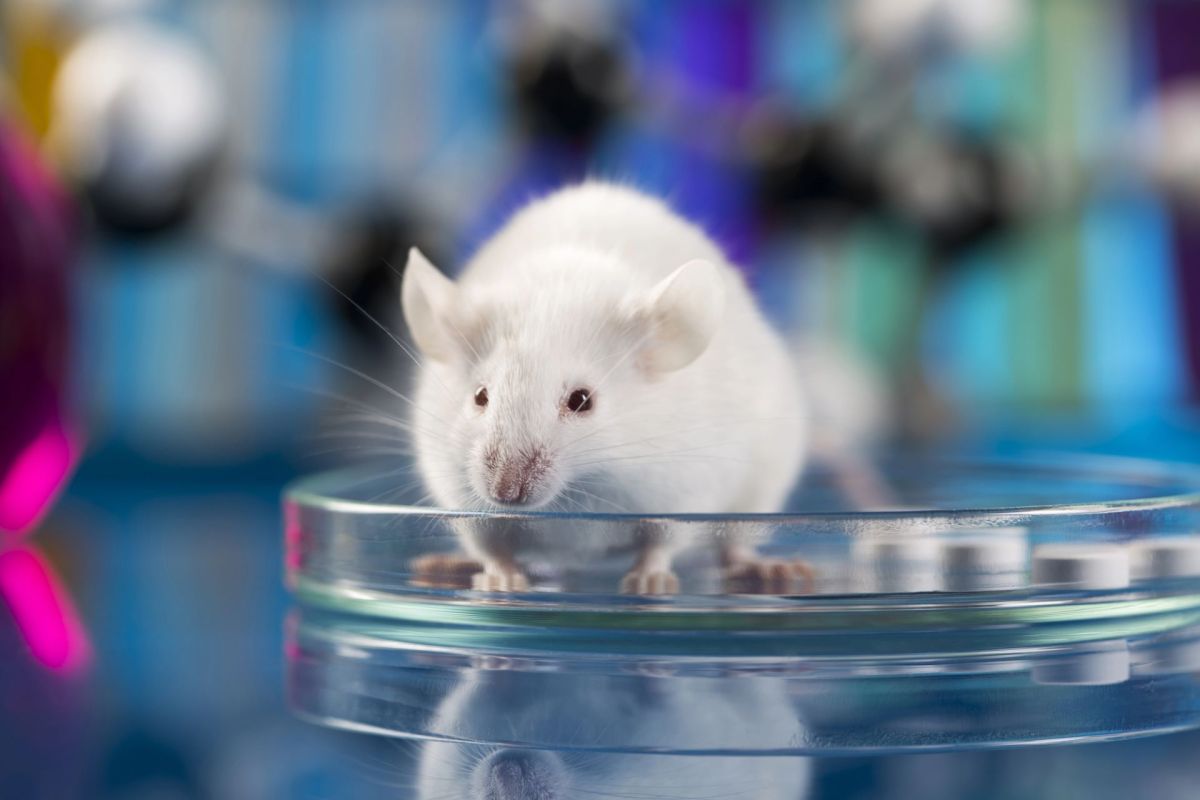
A new study on mice has highlighted the damage that ingested microplastics can cause to different organs.
What's happening?
Researchers assessed the toxicity of polystyrene microplastics to the gut and mammary glands in subject mice, according to the study, published in the journal Science of Food. The scientists found that the tiny plastic particles accumulated in various tissues, causing significant harm to the gut and mammary glands.
Specifically, they found that microplastics could "disrupt the intestinal barrier" and lead to inflammation of the colon and an imbalance of the gut microbiome. They also observed that microplastics can accumulate in mammary tissue, causing inflammatory damage there, among other effects.
"These findings indicate that ingestion of microplastics poses a potential health risk," the authors stated. "Further control of microplastics contamination in food is needed to promote public health and wellness."
Why are microplastics concerning?
The study added to a growing understanding and body of research about the health impacts of microplastics. For instance, a previous experiment on pigs discovered that microplastic exposure can trigger an inflammatory response in the enteric nervous system, which affects functions including immune responses.
The effects of microplastics on human health are still being explored. But other studies have linked microplastic exposure to health problems such as cancer, dementia, and impaired blood flow in the brain.
TCD Picks » Quince Spotlight
💡These best-sellers from Quince deliver affordable, sustainable luxury for all




What's being done about microplastics?
Though microplastics pollute soil, water, food, and air, scientists are discovering new ways to remove them from our environment. For instance, one team found a way to get them out of soil by using a type of processed farm waste.
You can help reduce the amount of microplastics entering the environment, and reduce your own exposure, by opting for plastic-free alternatives to everyday products. Choose reusable bottles and containers instead of single-use varieties, for instance.
|
Do you worry about having toxic forever chemicals in your home?
Click your choice to see results and speak your mind. |
 Majorly 😥
Join our free newsletter for weekly updates on the latest innovations improving our lives and shaping our future, and don't miss this cool list of easy ways to help yourself while helping the planet.






