


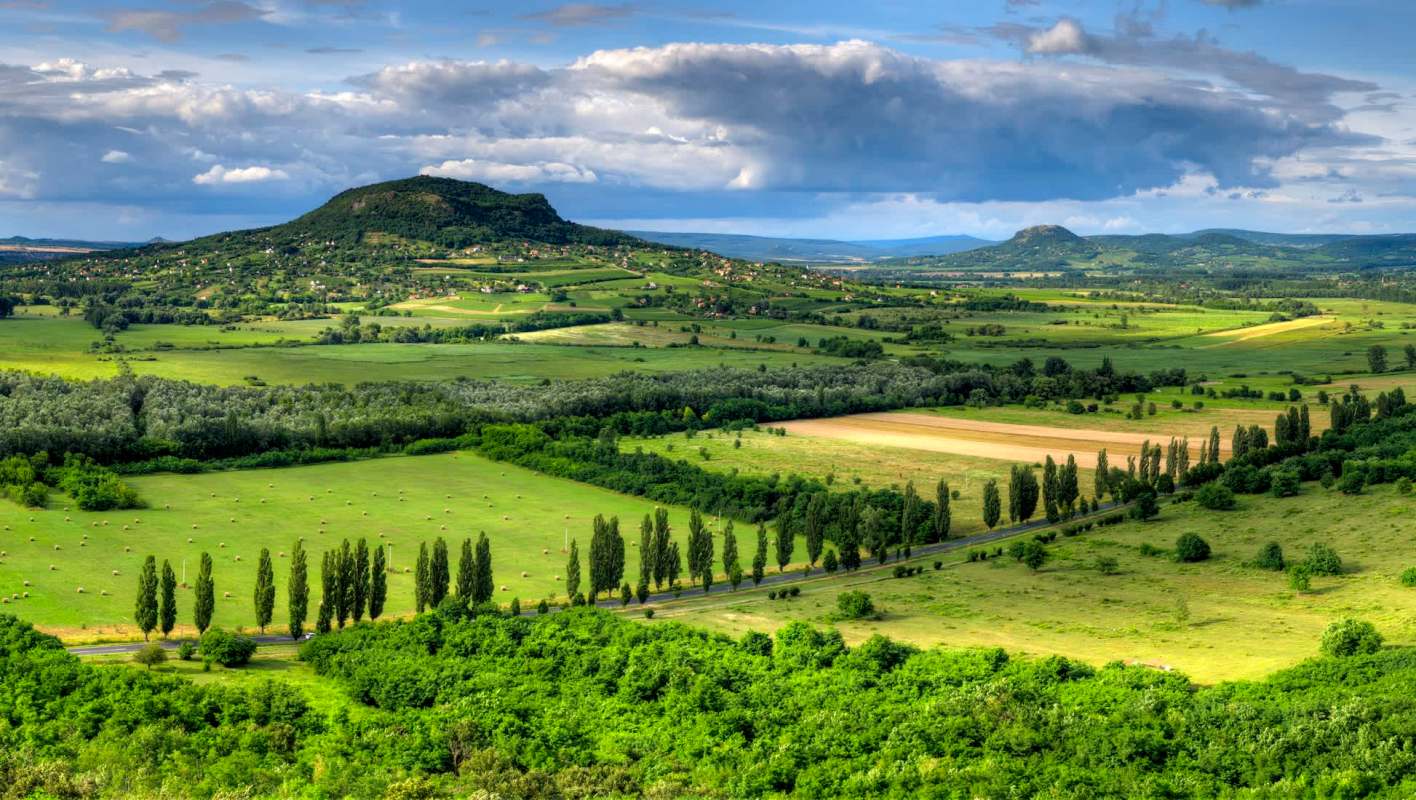
Eastern Europeans are grappling with a harmful invasive plant, according to Daily News Hungary.
What's happening?
The giant hogweed has been spreading from the Transcarpathia region bordering Ukraine to inland Hungary. In 2018, a large population was spotted in the western town of Vép. It was removed, and monitoring by local officials has been in place since then.
The plant grows quite tall, between 6.5 and 16.5 feet. Leaves can spread up to five feet wide. It takes several years to flower, but when it does, it disperses up to 50,000 seeds.
Why is giant hogweed important?
Invasive species, when freed of their natural checks and balances, can rapidly outcompete plants and animals in a new environment. When this happens, native species recede from the area, reducing biodiversity and ecosystem services that are vital to humans. One estimate suggests that due to this dynamic, invasive species incur hundreds of billions of dollars in economic costs annually across the world.
In addition to outcompeting local species and causing challenges for biodiversity, the giant hogweed is harmful to people. Its tiny sap-covered hairs cause a severe skin reaction shortly following contact. The toxin furanocoumarin reacts to sunlight, causing blisters that may take months to heal. The same toxin can actually be found in limes.
Beyond Hungary, giant hogweed has also been spreading across Ontario and New York.
TCD Picks » Quince Spotlight
💡These best-sellers from Quince deliver affordable, sustainable luxury for all




What's being done about giant hogweed?
Hungarian experts say instances of giant hogweed have been isolated and sporadic, which means its spread has been limited. Removing it properly has required mechanical methods and chemical use.
Keeping your own wild yard clear of invasive species is possible with the help of native plants. These species have evolved to work in tandem with one another, and in turn, prop up a healthy ecosystem, including vital pollinators.
|
What would it take for you to get rid of your gas stove?
Click your choice to see results and speak your mind. |
 I'd pay for it myself 💪
Join our free newsletter for good news and useful tips, and don't miss this cool list of easy ways to help yourself while helping the planet.







