


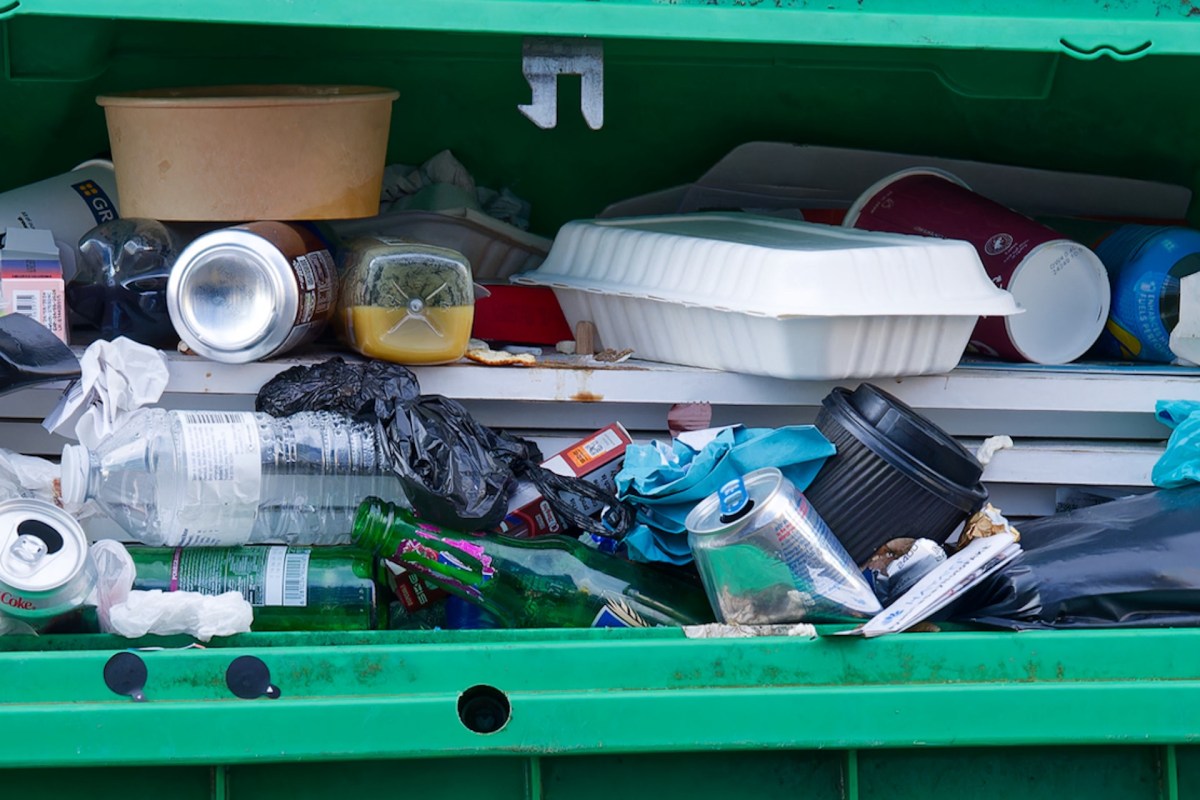
Western Australia's state government has implemented a new ban on molded expanded plastic packaging.
It's WA's latest effort to combat plastic pollution, benefiting the health of people, wildlife, and the environment.
As Examiner Newspapers reported, packaging made from molded plastics cut to shape, such as expanded polystyrene, is now outlawed in Western Australia. These products can no longer be sold or supplied in the state.
This ban is part of Stage 2 of the government's plan to reduce plastic. Before the ban's recent passage, a 28-month transition period was in place, allowing businesses to receive support while exploring alternative packaging materials.
The local government and the National Retail Association collaborated with businesses to prepare them for the ban, providing resources and guides to follow.
Western Australia introduced the new ban to mark the start of Plastic Free July, a local initiative launched in 2011 that has since evolved into a global sustainability movement.
TCD Picks » Quince Spotlight
💡These best-sellers from Quince deliver affordable, sustainable luxury for all




"Plastic Free July inspires people around the world to take practical and meaningful actions to cut down on plastic waste, and this new ban shows WA is serious about doing our bit to cut plastic pollution," said State Environment Minister Matthew Swinbourn, per the Examiner.
Western Australia's newest plastic ban is inspiring because it demonstrates how governments, industry organizations, and local businesses can work together to find better solutions than plastic. Swinbourn commended the local retailers, manufacturers, and distributors for their dedication to making the transition to a plastic-free environment a success.
Molded plastics and polystyrene are notorious for being difficult to recycle and commonly littered in the environment. Because of their lightweight and disposable construction, these materials often blow away from trash bins, creating hazards for wildlife. Meanwhile, polystyrene products are linked to toxic exposure in food packaging, increasing human health risks.
While bans like this may initially be challenging for businesses to work around, they are a significant step in the right direction toward curbing our global pollution problem. Pro-climate bans on plastics and other harmful materials drive environmental progress and pave the way for broader, national legislation.
|
Should states be allowed to ban plastic items from businesses? Click your choice to see results and speak your mind. |
 Definitely 👍
 Regardless of whether your community has a plastic ban in place, you can set a positive example by reducing your own plastic use in daily life.
Fortunately, plastic alternatives are becoming widely available for many of the everyday products you rely on. Also, an increasing number of brands are prioritizing plastic-free packaging for the items they sell.
"Foamed plastics like EPS [expanded polystyrene] break into tiny pieces that are harmful to wildlife and difficult to clean up," Swinbourn explained. "By removing them from circulation, we're protecting our natural spaces and encouraging smarter, more sustainable packaging choices."

Join our free newsletter for good news and useful tips, and don't miss this cool list of easy ways to help yourself while helping the planet.






