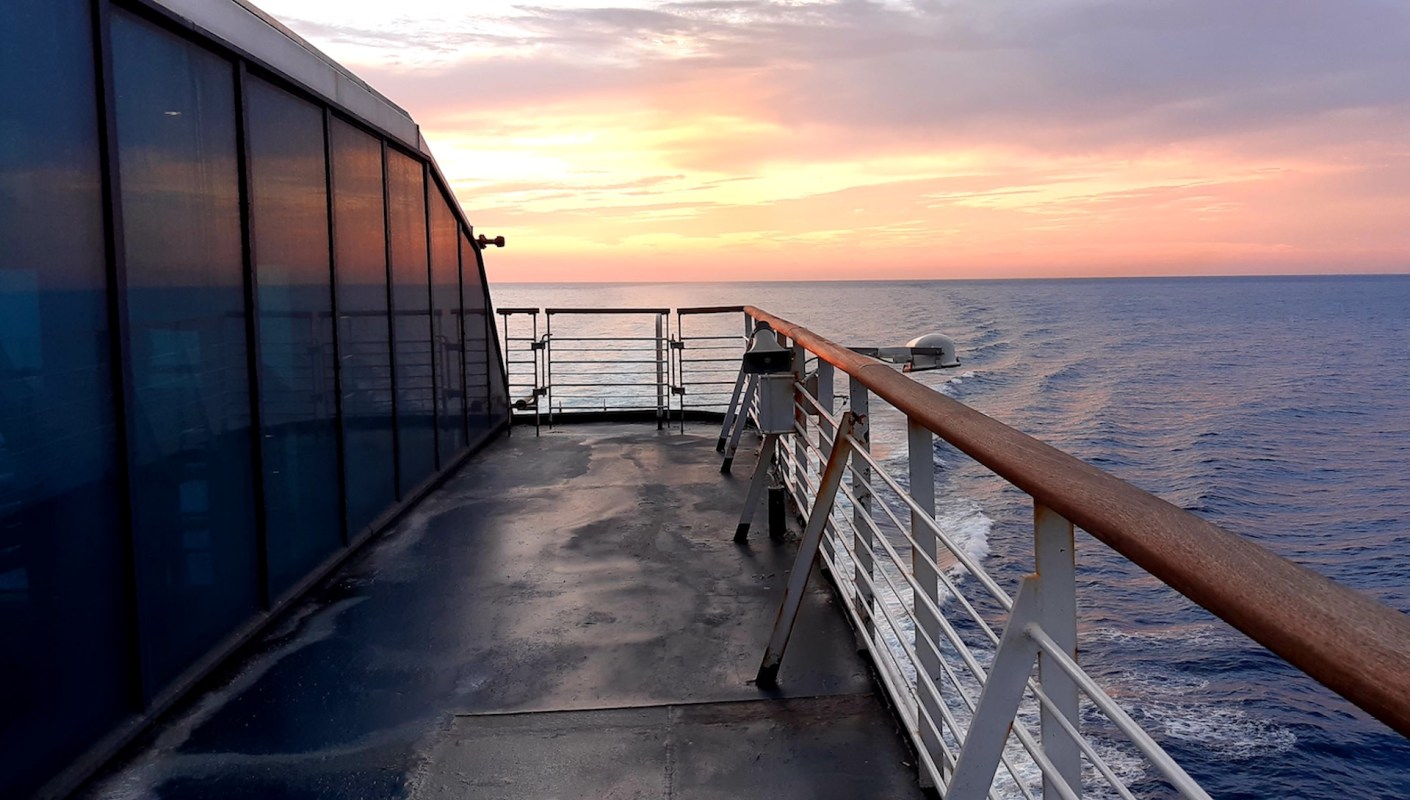
The world's first electric passenger vessel is coming to the Gulf of Finland, courtesy of the shipping company Viking Line.
According to New Atlas, which shared details from Viking, the company has cut its pollution by nearly a third in the last 15 years. However, its green transition began in the early 1990s, when it switched to low-sulphur fuel, along with other initiatives to reduce carbon pollution.
The first LNG and biogas-powered passenger vessel was launched in 2013, and an additional climate-friendly ferry was released in 2022. Viking said the battery electric ferry should be ready to sail the open waters of the Baltic by the early 2030s.
"Helios heralds a new era in maritime transport, just like the first sail, steam, and motor ships did in their time," Viking Line CEO Jan Hanses said. "The concept proves that large-scale emission-free maritime transport is no longer a utopia. The world's largest fully electric passenger-car ferries could be in operation as early as the beginning of the next decade. We are strongly committed to realizing the ambitious vision that Helios represents."
While few details on the ship have been released, New Atlas reported that the company is planning for "a vessel that will measure 195 m (~640 ft) in length and will be 30 m (almost 100 ft) at its widest point." It should be able to reach top speeds of nearly 27 miles per hour, all from a battery bank with a capacity of between 85 and 100 megawatt-hours.
The Helios, a brainchild of Viking Line, the Rauma shipyard, and other partners, will be able to carry up to 2,000 passengers and 650 vehicles on an 80-kilometer (about 50-mile) journey across the Gulf of Finland from the Port of Helsinki to the north of Estonia. It will also function as a cargo ship.
TCD Picks » EDF Spotlight
💡EDF's Vital Signs newsletter delivers stories about game-changing solutions close to home and around the world

"The Helsinki-Tallinn route performed particularly well last year, and we believe volume will continue to increase – there is strong demand, based on need, for connections between Finland and the Baltics," added Hanses.
"EU emissions trading fees and tightening regulations place an ever larger burden on fossil fuel-based maritime traffic every year, but emission-free technology would enable us to increase capacity on the route. Our goal is to order two electric ships for the route, which would double our current capacity year-round."
The Helios is contributing to decarbonization, but it's not alone in the efforts to be more sustainable. Other companies have launched vessels powered by air propulsion, carbon dioxide from direct air capture, biomass, and more.
|
Should the government provide incentives to buy EVs?
Click your choice to see results and speak your mind. |
 Absolutely 💯
Join our free newsletter for good news and useful tips, and don't miss this cool list of easy ways to help yourself while helping the planet.
Cool Picks