


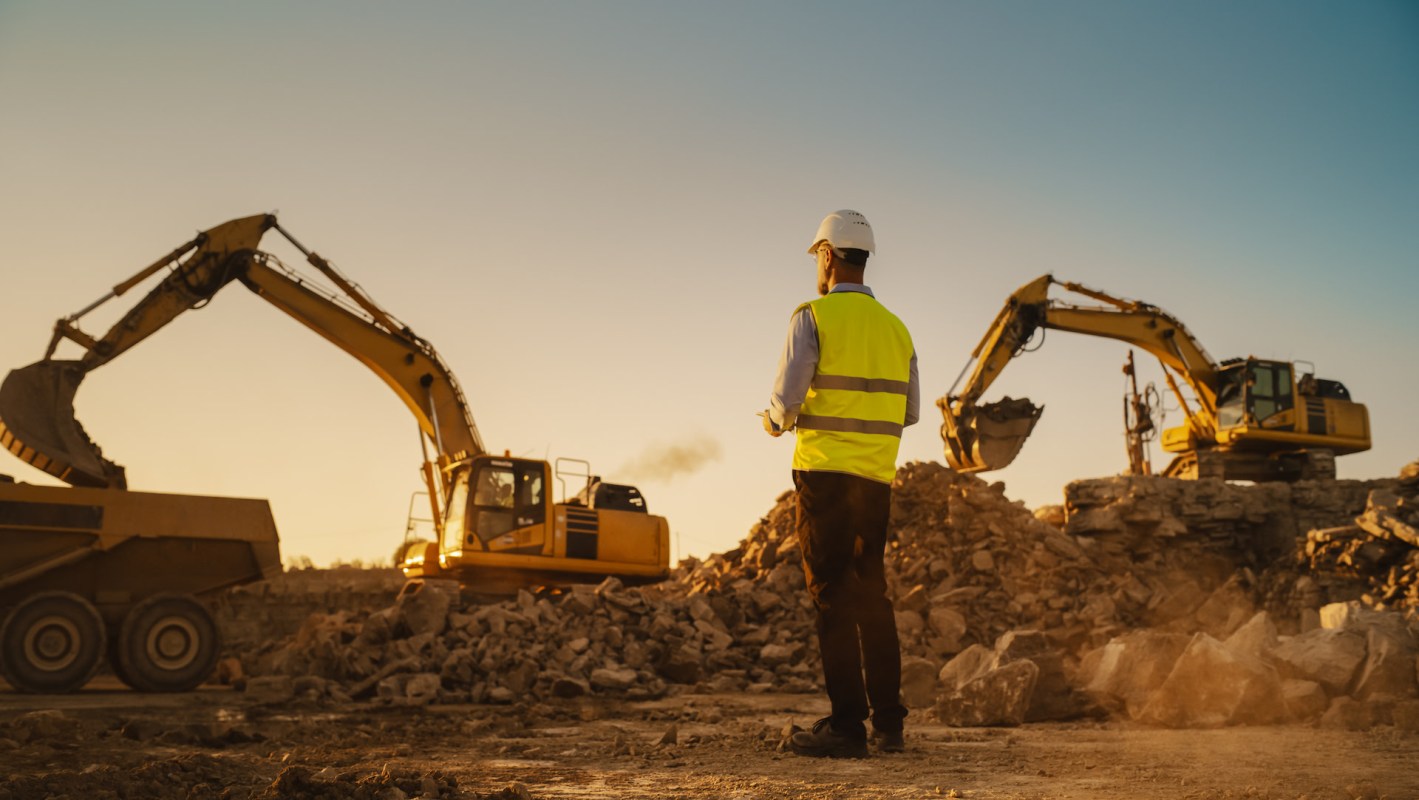
Intense global demand for "energy transition minerals" is impacting Indigenous communities.
According to Inside Climate News, Indigenous leaders are speaking out about the industrial mining threatening to devastate their ancestral lands if mining companies proceed unabated.
Activist Edson Krenak spoke with ICN about the industry's presence. He said it brings "contamination, forced removals, displacement, violence and modern-day slavery."
Krenak grew up witnessing mining in his Brazilian homeland. Rivers once central to his people's culture are now "dead" after massive waste spills.
"Communities like mine were torn apart," he said. "The Krenak people were among the most criminalized for defending their territories. We faced brutal repression."
Research from the University of Queensland has revealed the ubiquity of mining. It found that over 54% of all global mining projects are on or near Indigenous territories. This amounts to over 2,700 mining projects worldwide.
TCD Picks » Quince Spotlight
💡These best-sellers from Quince deliver affordable, sustainable luxury for all




These lands hold vital minerals, including copper, lithium, and nickel. Indigenous stewardship has protected them and their biodiversity for decades.
The pursuit for cleaner energy is critical, but as the interview conducted by Inside Climate News shows, it must not be at the expense of human rights or the environment. Mining expansion into Indigenous areas without consent or oversight leads to ecological damage — deforestation, water pollution, and habitat destruction to name a few.
It also threatens Indigenous cultures, languages, and traditional livelihoods. The industry-Indigenous conflict challenges the shift to a sustainable economy.
"Now, the lithium companies have received permits from the state government," Krenak said, "They've set their sights on this reserve and are pressuring local authorities to pass laws that would reduce the size of the protected area to just one-third of its original size. We've been working for two years to protect this area. We're exhausted."
Krenak argued that extracted minerals from Indigenous lands are a catch-22. Minerals power faraway "sustainable cities" and offer an opportunity to get off the never-ending wheel of oil and gas pollution, but they also create new "sacrifice zones" in order to obtain what's needed. The same can be argued for obtaining more and more fossil fuels, but it does not change the effects on communities targeted for battery materials.
Materials for batteries, unlike the drilling for oil and gas and coal, do at least allow for continued use for years upon years, and even when expended, around 95% of those materials are at least recyclable — whereas for fossil fuels, 535 times more tons of materials are extracted per year, all of which are just burned into the air and must be harvested again and again. That is the endless cycle that must be broken.
So a shift to batteries that can be powered by the sun and wind and beyond is an improvement, and it's why the transition to electrification and renewable power is worthwhile. It also allows for the operations of virtually all devices being used to read this article right now.
But it must be done responsibly, and advancing science leading to batteries requiring less difficult materials to obtain is incredibly important. So too is continued investment in battery recycling technology and associated facilities, such as Redwood Materials, founded by Tesla co-founder JB Straubel.
|
Do you think fracking should be illegal in America? Click your choice to see results and speak your mind. |
 Yes — everywhere 👏
 Indigenous communities are advocating for their rights and a fair energy transition. They demand that principles like Free, Prior, and Informed Consent are upheld. FPIC is the right to approve or reject projects on their lands.
Activists continue to raise global awareness with international forums and power centers.
Growing recognition of these issues is prompting stricter regulations and transparent supply chains. Policies would also call for greater accountability from mining companies, governments, and consumers.
Supporting organizations that champion Indigenous rights and ethical sourcing practices is crucial, Krenak argued. It follows that it's important to know the origins of materials in our clean energy transition; solutions for our planet cannot inadvertently create new injustices or environmental harms elsewhere.
As Krenak told ICN, "Every electric vehicle carries Indigenous blood in their batteries. This is not a clean energy transition."

Join our free newsletter for good news and useful tips, and don't miss this cool list of easy ways to help yourself while helping the planet.






